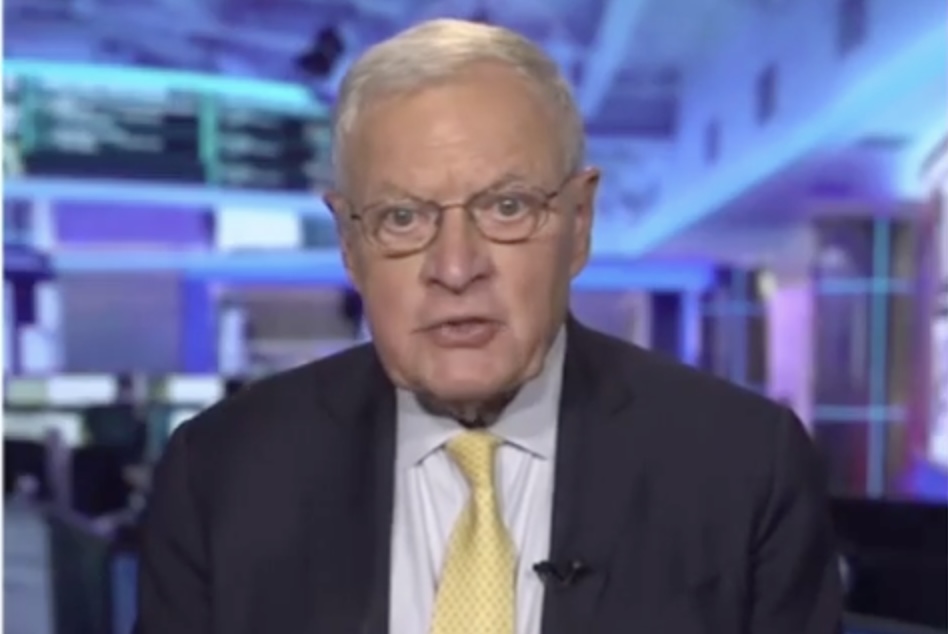
Speaking during an appearance on Hannity, Kellogg said NATO had shown weakness and lack of resolve. He argued that the alliance had become ineffective, particularly in the context of the current conflict involving Iran, and said the United States may need to look beyond its existing security structures. Fox News reported that Kellogg described NATO allies as “cowards” and said it might be time for a “new defensive establishment”.
Kellogg went further by pointing to Article 13 of the North Atlantic Treaty, which provides that any member state may withdraw from NATO one year after formally giving notice. He presented that clause as a possible legal route for the United States were it ever to decide to leave the alliance. The treaty text, published by NATO, confirms that a party may cease to be a member one year after notice of denunciation has been given to the US government, which serves as depositary of the treaty.
In outlining an alternative, Kellogg suggested a new grouping centred on countries prepared to act more decisively in wartime conditions. According to the Fox News transcript, he referred to Japan and Australia, as well as European states such as Germany and Poland. He also said Ukraine had “proven to be a good ally”, indicating that Kyiv could be part of such a structure. The inclusion of Ukraine in his remarks is notable, given that its formal accession to NATO has remained politically contested despite continued Western military support since Russia’s full-scale invasion.
His intervention comes at a moment of renewed strain between Washington and several European allies. President Donald Trump had threatened to pull the United States out of NATO amid frustration over the refusal of European members to assist in securing the Strait of Hormuz during the Iran crisis. The administration’s rhetoric had revived questions not only about burden-sharing but also about the credibility of the United States’ long-term commitment to European security.
Yet while Article 13 provides a treaty mechanism for withdrawal, the domestic legal position in the United States is more complicated. In 2023 Congress adopted legislation barring a US president from suspending, terminating or withdrawing the United States from NATO without the support of a two-thirds Senate majority. The measure, signed into law by then President Joe Biden as part of the National Defense Authorization Act, also prohibits federal funds from being used for such a withdrawal. That means Kellogg’s reference to Article 13 reflects only part of the picture: leaving NATO would involve a likely legal and constitutional confrontation in Washington.
No NATO member has ever fully withdrawn from the alliance, which underlines the significance of the suggestion. Although debates over burden-sharing and strategic priorities are longstanding, proposals to replace NATO rather than reform it have remained outside the mainstream of US and European defence policy. Kellogg’s remarks therefore stand out not because they amount to a formal policy shift, but because they reflect a harder strand of thinking inside the wider Trump orbit: one that judges alliances less by institutional permanence than by immediate willingness to act.
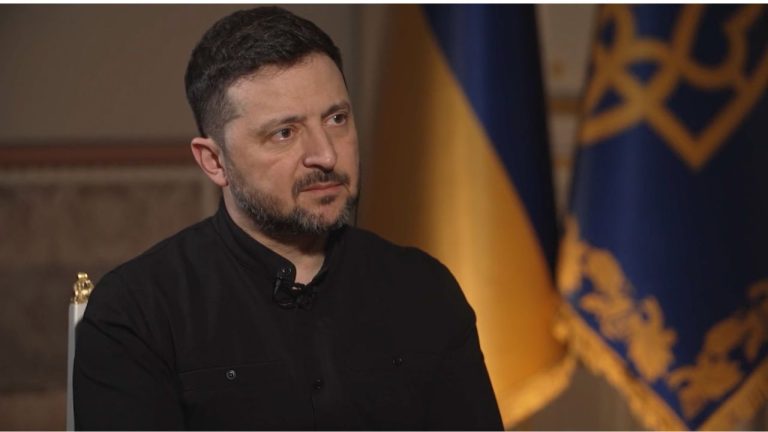
For Ukraine, the comments are double-edged. On one hand, Kellogg explicitly cited Ukraine as a capable and reliable partner, a formulation likely to be welcomed in Kyiv as recognition of the country’s military role and operational experience. On the other, the idea of a new alliance outside NATO could also be read as an acknowledgment that Ukraine’s place in the existing Western security architecture remains uncertain.
Whether Kellogg’s proposal gains wider traction remains unclear. What is clear is that his intervention reflects a broader strategic argument now surfacing more openly in the United States: whether NATO, as presently constituted, still matches Washington’s expectations in an increasingly volatile global environment. For Europe, and for Ukraine, that question is no longer theoretical.