

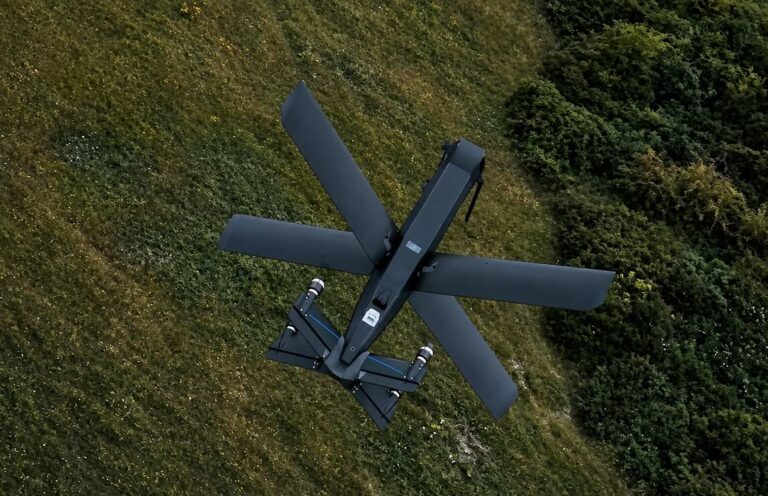
Japan’s Ground Self-Defence Force is testing the German company’s HX-2 until the end of September, but no purchase has been announced and the agreement with Rakuten remains an effort to secure a future sale.
The board has appointed Sam Mehta as chief executive after finding that Christopher Kubasik engaged in conduct inconsistent with company values, while explicitly excluding financial reporting, customers and operations from the matter.
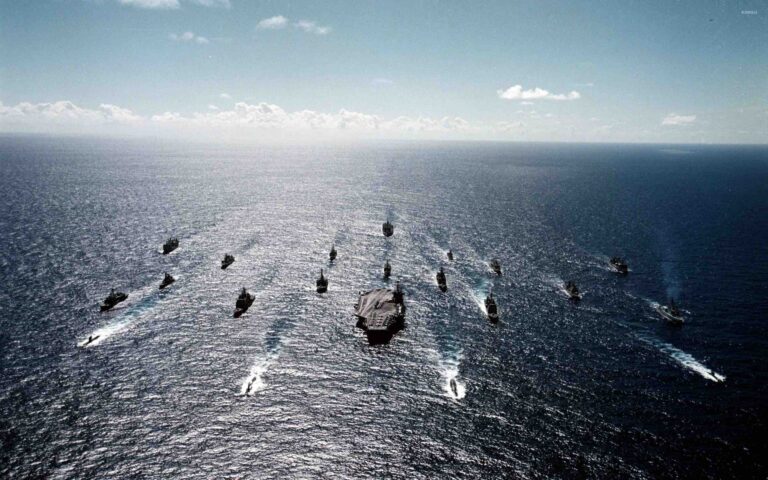
Fincantieri and Hanwha Ocean shares rose as investors assessed which allied groups could use a temporary policy allowing up to two US Navy vessels to be built in qualifying parent-country yards. The measure exposes the depth of America's shipbuilding-capacity problem.

The German shipbuilder now expects annual sales to rise 10–12 per cent, but a higher revenue forecast should not be confused with an equivalent increase in production capacity.
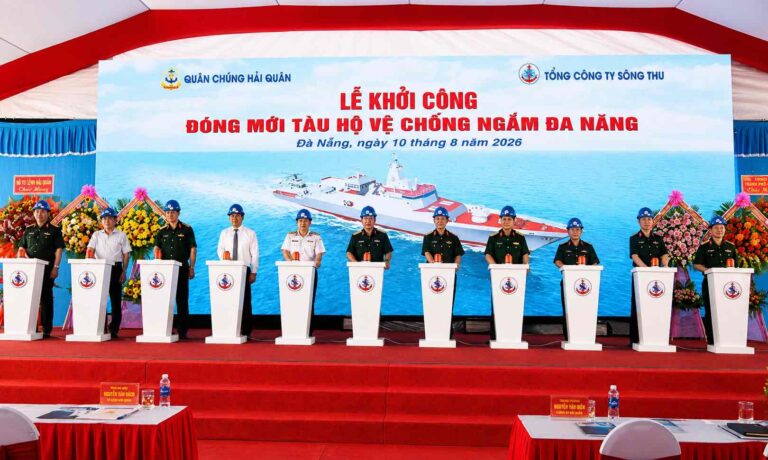
The Da Nang construction milestone moves Vietnam’s most ambitious indigenous warship from planning into production, but official claims about domestic weapons content and anti-submarine capability await detailed technical evidence.
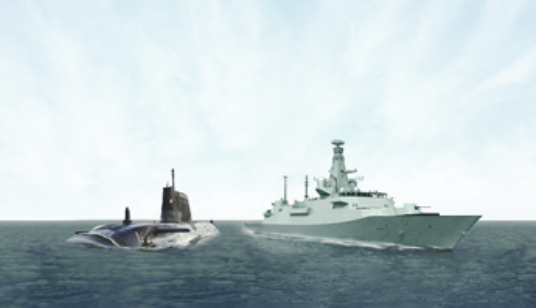
A disposal could attract strategic buyers to a scarce portfolio of naval and weapons-related manufacturing, while placing ownership, security and programme continuity under close British scrutiny.
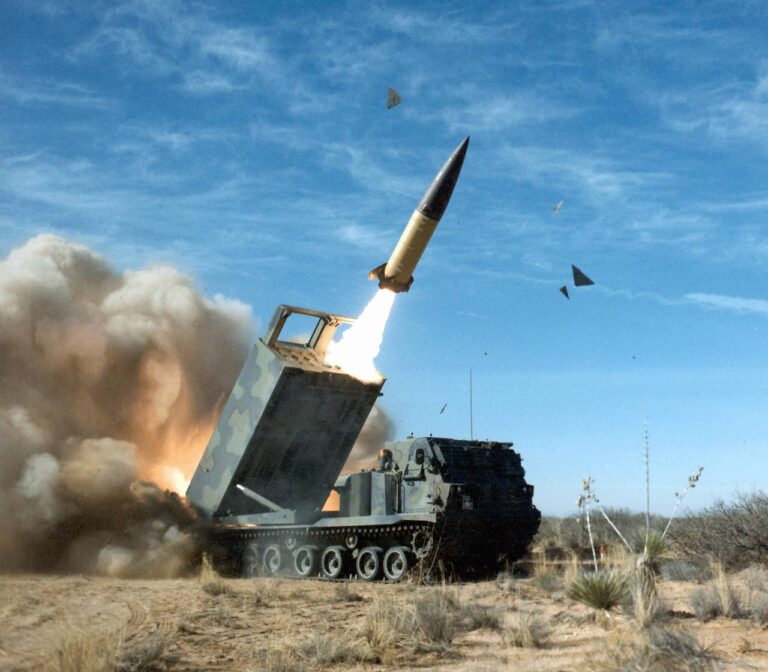
Planned German production may strengthen the transatlantic missile base, but first revenue is expected only in 2028 and replenishing depleted inventories will take considerably longer than two years.
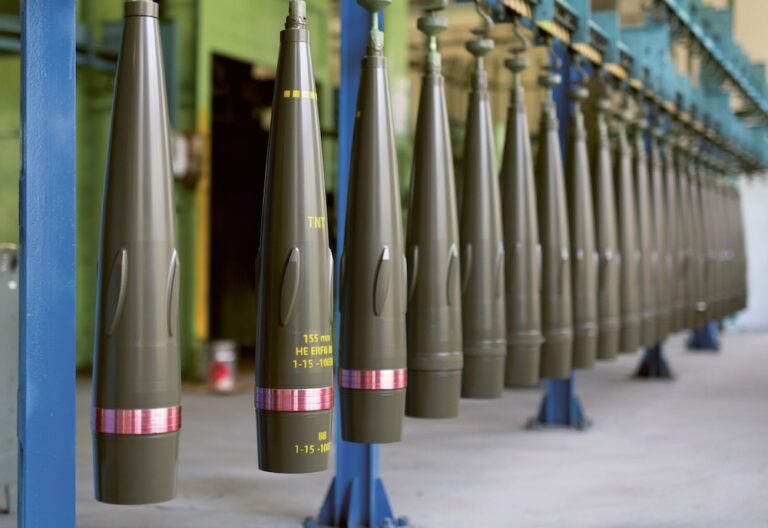
Czechoslovak Group’s first-half figures translate Europe’s rearmament from political promises into revenue, orders and a heavy working-capital requirement.
Rheinmetall’s revised forecast provides the first clear corporate measure of Germany’s failed frigate procurement, even as the group’s land and ammunition businesses continue to expand.

New sanctions on 23 companies and 20 individuals identify the materials, components and digital systems that Kyiv says support Russia’s production of ballistic missiles, drones, guided weapons and electronic-warfare equipment. Ukraine has imposed sanctions on 23 companies and 20 associated…
