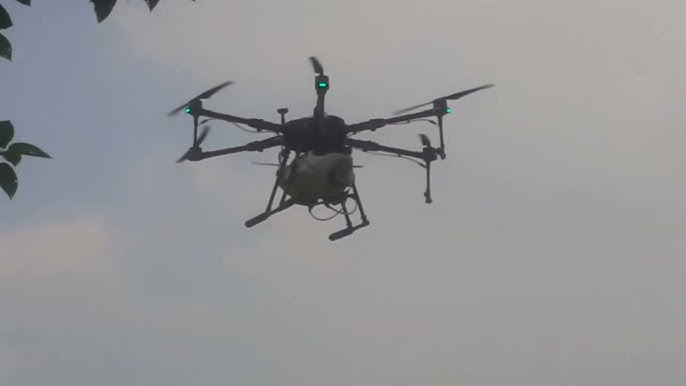
The immediate news peg came on 6 April, when Elbit Systems said it was preparing to begin deliveries under its 1.89 billion lei contract with Romania for seven Watchkeeper X unmanned aircraft systems. The announcement followed warnings from Romania’s defence minister last week that the deal could be cancelled if the delays continued.
The programme matters because it is not a routine acquisition. Romania is one of NATO’s frontline states, bordering Ukraine and sitting on the Black Sea. Since Russia’s full-scale invasion, it has had repeated reason to strengthen surveillance, early warning and border monitoring capacities, particularly after drone incursions and falling debris linked to Russian attacks near the Danube. In that setting, tactical unmanned systems are not simply a modernisation item. They are part of a wider effort to improve situational awareness in a theatre where the security environment has become markedly less predictable.
The Watchkeeper X contract itself dates back to 2022. At the time, Elbit said the framework agreement had a maximum value of about $410 million and covered up to seven tactical unmanned aircraft systems for the Romanian Ministry of National Defence, with industrial cooperation and production infrastructure to be established in Romania. Elbit also said the platform would include advanced capabilities and NATO-standard interoperability, which is central for a state operating inside an allied planning and command environment.
What changed the tone around the programme was the delay. Deliveries were due to start in 2025, but that did not happen. Elbit told Reuters that the project had been affected by the exceptional security situation in Israel, which it described as a force majeure event recognised by customers globally. That explanation may be commercially understandable, but from Bucharest’s point of view the more relevant issue was whether the system would arrive in time to remain useful. Romanian Defence Minister Radu Miruță made that concern public when he warned that capability delayed too long risks becoming capability delivered too late.
The fresh 6 April confirmation therefore changes the picture. According to Elbit, the systems are being manufactured in Romania and are ready for final acceptance tests, pending regulatory approval from the Romanian side. That detail is important. It suggests the industrial work has not stalled at concept stage and that the remaining issues are tied to acceptance and authorisation rather than a collapse of the programme itself.
The stronger angle is the capability question. Romania has been increasing defence spending and trying to modernise across multiple sectors, from air defence to land systems and naval requirements. Yet eastern-flank credibility depends not only on headline budgets or large marquee purchases. It also depends on whether mid-tier capabilities such as ISR drones are delivered on time, integrated properly, and available when the operational picture shifts. Tactical unmanned systems may lack the political visibility of fighter aircraft or missile batteries, but they can be more immediately useful in monitoring borders, supporting artillery, tracking movement and filling intelligence gaps.
There is also a broader industrial point. The Watchkeeper X programme was meant in part to build local production and cooperation capacity inside Romania. If deliveries now begin as indicated, Bucharest can argue that a delayed programme has still preserved some domestic industrial value. If further slippage follows, the episode will instead be read as another example of how difficult it remains for European states to move from contract signature to usable capability, even where the security rationale is obvious.