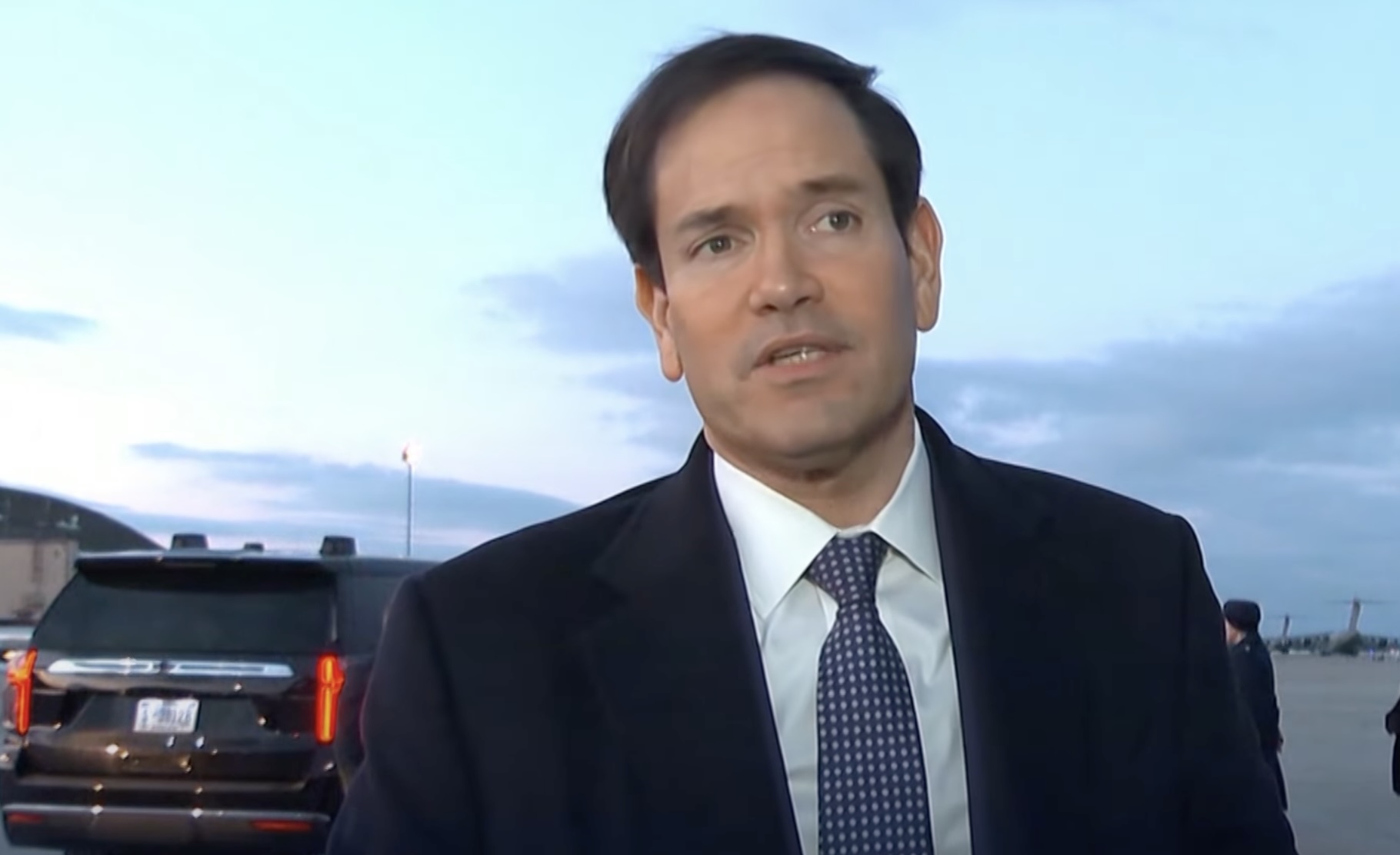
Speaking to reporters as he travelled, Rubio said “the world is changing very fast” and argued that the pace of change would force governments on both sides of the Atlantic to reassess roles, expectations and the practical meaning of alliance commitments. He added that Europeans “want honesty” and “want to know where we are going”, signalling that Washington’s message would be framed in terms of clarity about direction rather than reassurance alone.
The Munich gathering, which opened on Friday, 13 February, is the first major international security forum since President Donald Trump renewed pressure on Denmark over Greenland, which hosts strategically significant North Atlantic infrastructure. European officials have treated the episode as a direct test of trust inside the Nato alliance, coming amid wider disputes over tariffs and burden-sharing.
German Chancellor Friedrich Merz used the conference opening to call for a reset with Washington, telling delegates that transatlantic confidence should be “repaired” and “revived”. He disclosed that Berlin had begun confidential talks with President Emmanuel Macron on options for a European nuclear deterrent concept. The remarks underline the depth of uncertainty in parts of Europe about the long-term reliability of the US nuclear umbrella, which has been a central element of Nato deterrence for decades.
France and the United Kingdom are Europe’s two nuclear-armed states, but France is the EU’s only nuclear power following Brexit. Merz’s comments indicated an attempt to explore whether a stronger “European pillar” could be developed while remaining within Nato’s overall framework. Reuters reported that the initiative reflects a broader European push for greater defence autonomy without formally breaking with the alliance.
Macron was due to speak in Munich on Friday and has recently argued that Europe should be able to act independently where interests diverge. That posture has gained traction in some European capitals as Washington’s strategic focus remains divided between Europe, the Indo-Pacific and domestic political constraints on overseas commitments.
Alongside alliance questions, the war in Ukraine remains central to the conference agenda. Russia, Ukraine and the United States are scheduled to hold talks in Geneva on 17–18 February 2026, following earlier rounds in Abu Dhabi. The Kremlin said presidential aide Vladimir Medinsky would lead the Russian delegation; a Ukrainian presidential aide confirmed Kyiv’s readiness for the Geneva round. The talks are taking place against the backdrop of unresolved disputes over territory and other strategic issues.
Rubio’s trip also includes engagement on China. On Friday, he met Chinese Foreign Minister Wang Yi on the sidelines in Munich in a closed-door session described by Reuters as lasting about an hour, part of efforts to manage tensions over trade, tariffs and Taiwan. Reuters reported that the meeting comes amid discussion of a possible Trump visit to China in April and follows a recent Trump–Xi phone call that both sides characterised as constructive.
Taiwan remains a persistent friction point. Reuters noted that the issue was emphasised by Xi Jinping during the recent leaders’ call, alongside warnings about US arms supplies to the island. That sits within a broader pattern in which Washington and Beijing seek to stabilise relations while continuing to contest technology controls, supply chains and regional military posture.
Iran’s nuclear programme is expected to be another focus in Munich. The Trump administration has signalled it wants a new agreement aimed at preventing Iran from developing nuclear weapons, while also warning of military consequences if diplomacy fails. Tehran continues to describe its programme as peaceful. Delegates in Munich are likely to assess whether US–Iran contacts can produce a negotiating track that avoids escalation in the Gulf and protects energy flows.
Rubio, who will lead the US delegation through the weekend, has sought to position his message as a strategic stocktake rather than a public reprimand. That approach is being watched closely in European capitals after last year’s conference produced sharp transatlantic arguments, and as governments prepare for decisions on defence spending, industrial capacity and support for Ukraine through 2026.
First published on eutoday.net.