Speaking in the Verkhovna Rada, Mr Rutte said Allied support “will not waver” and framed Ukraine as central to Euro-Atlantic security. His appearance in parliament came hours after widespread disruption to heat supplies in the capital following overnight missile and drone strikes.
In his address, Mr Rutte credited Ukraine’s institutions with maintaining parliamentary and democratic functions under sustained attack. He also recalled a visit to Kharkiv in March 2024, describing the physical destruction and the impact of the war on civilians, including children.
Mr Rutte’s speech focused on the mechanics of NATO assistance and the next phase of security planning. He said NATO’s new command in Germany—NSATU—was coordinating military assistance and training, and working with Ukrainian authorities to define requirements for Allied deliveries.
A central element was the Prioritised Ukraine Requirements List (PURL), a NATO-backed framework under which Allies and partners finance purchases of US-made equipment for Ukraine. Mr Rutte said PURL had enabled “billions of dollars’ worth” of US hardware to flow to Ukraine, funded by Allies and partners, and claimed it had supplied roughly 75 per cent of missiles for Ukraine’s Patriot batteries and 90 per cent of missiles used in other air-defence systems. NATO has described PURL publicly as a funding mechanism for packages supporting Ukraine, with contributions from a large share of Allies and additional partners.
He told parliament he was urging Allies to draw further on stockpiles, with an emphasis on air defence, while arguing that defence production was increasing across Allied countries and inside Ukraine. He said NATO states were expanding co-production and investment in Ukraine’s defence industry, presenting it as mutually beneficial for capability and supply resilience.
The visit also carried a diplomatic message on the security architecture that could follow any ceasefire or settlement. Mr Rutte said Ukraine would need “robust security guarantees” alongside strong national armed forces. He pointed to the role of the “Coalition of the Willing”, and referenced a meeting in Paris last month attended by President Volodymyr Zelenskyy. The Paris declaration issued through the EU Council press service described plans for “robust security guarantees” and linked them to work with Ukraine and the United States.
Mr Rutte said some European Allies had indicated they would deploy troops after an agreement was reached, and described a possible posture including “troops on the ground, jets in the air, ships on the Black Sea”, with the United States as a “backstop”.
He linked these preparations to negotiations now under way, stating that “direct talks” had begun and that any deal would involve “difficult choices”. In the same remarks, he criticised Russia’s continued attacks as inconsistent with serious engagement in a peace process. He also asserted that Russia had sustained “over one million casualties to date”, a figure presented as his assessment in the speech.
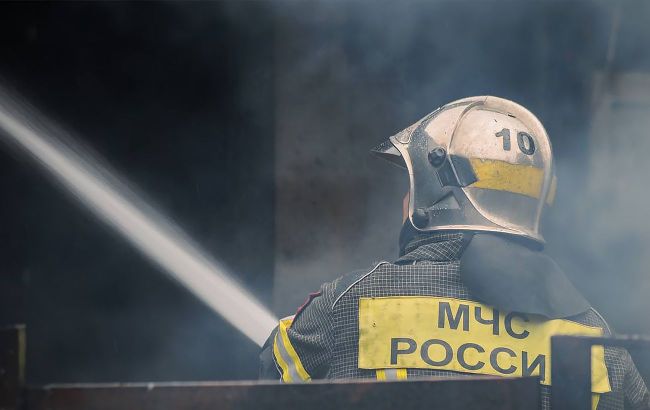
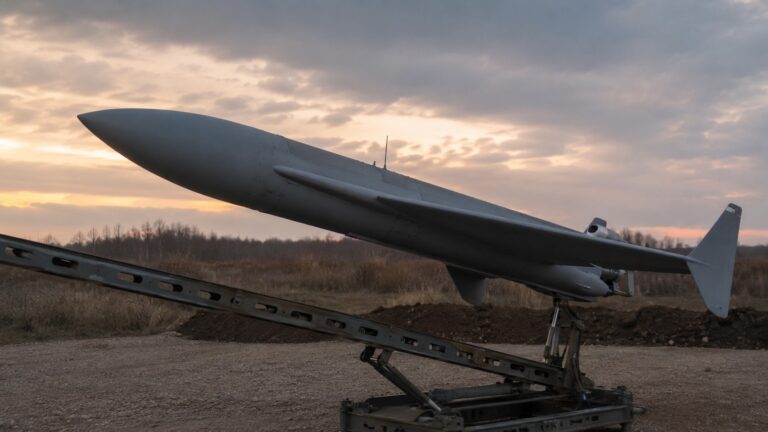
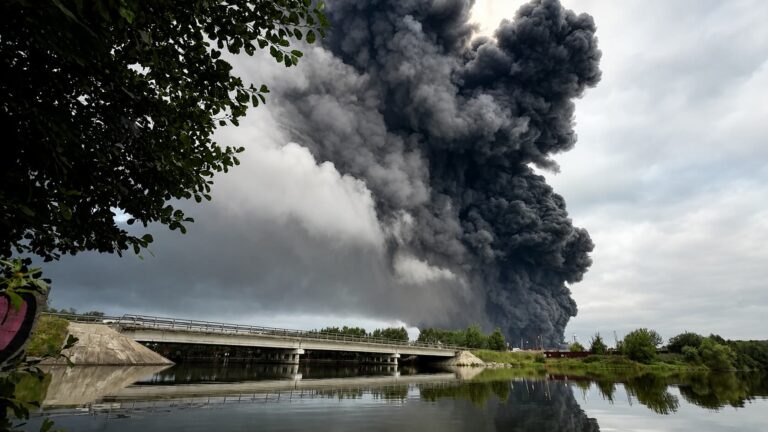
The day’s security context was dominated by the scale of the overnight strikes, a combined barrage of hundreds of drones and dozens of missiles across multiple regions, with damage to heating and power facilities and injuries in the capital. Ukrainian officials said large numbers of residential buildings in Kyiv were left without heat, with repairs continuing amid extreme cold.
During the visit, Mr Rutte also met President Zelenskyy and joined a commemoration at Maidan Nezalezhnosti, where the two leaders paid tribute to fallen Ukrainian defenders.
Mr Rutte closed his address with a restatement of NATO’s long-term intent, referring to commitments repeated at the NATO summit in The Hague last summer, and said the alliance would continue supporting Ukraine “in the years ahead”.