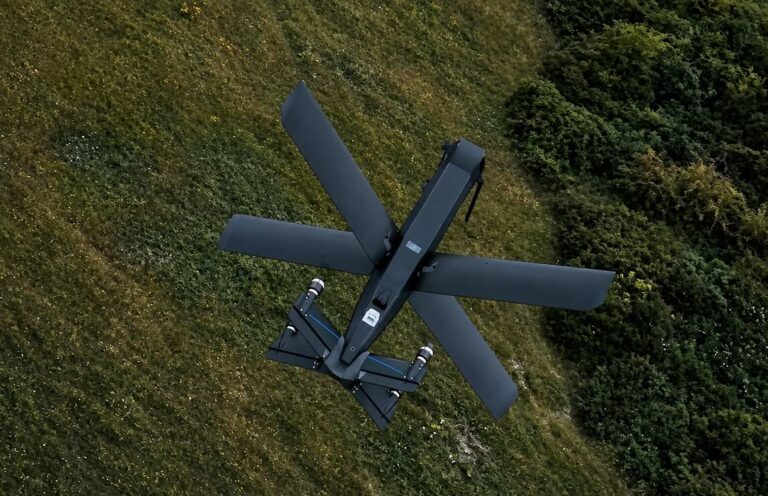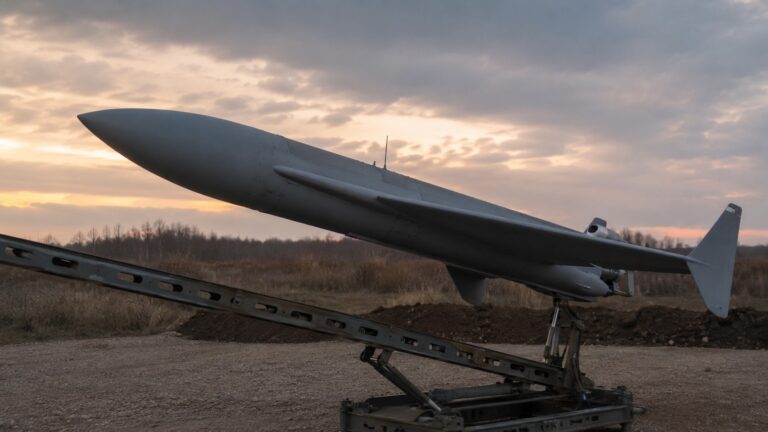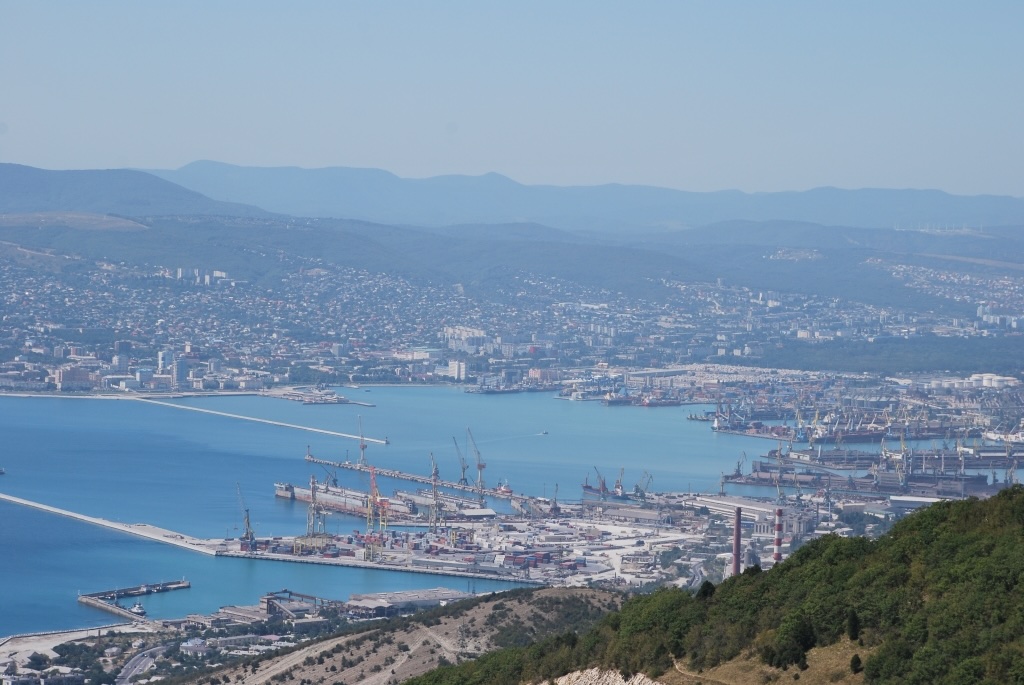
While the attack is already known to have halted loadings at the Sheskharis oil terminal, reports now suggest that several Russian naval vessels at the port may also have been hit.
Reuters reported on 2 March that the Sheskharis terminal, Russia’s main Black Sea oil outlet, suspended loadings after the strike. Trade sources cited by the agency said the facility normally handles about 700,000 barrels per day, underlining the economic significance of the attack. Russian authorities said five people were injured in the raid, a state of emergency was declared in Novorossiysk, and residential buildings were also damaged.
What remains less clear, but increasingly central to the story, is the scale of the reported military damage. Ukrainian and other regional outlets, citing sources linked to Ukraine’s security services and military, said that five Russian warships were damaged at the Novorossiysk naval base. Among the vessels named in those reports were the minesweeper Valentin Pikul, the small anti-submarine ship Yeysk, and the missile ship Kasimov. Some reports also referred to three Russian servicemen killed and 16 wounded, though those claims have not been independently confirmed by Reuters or by official Russian statements.
Ukraine’s General Staff has publicly confirmed that the operation targeted both the Novorossiysk naval base and the Sheskharis terminal. Ukrainian reporting also said six of the terminal’s seven oil-loading arms were damaged, and that elements of Russian air defence in the area were struck. That is significant in itself. Novorossiysk has increasingly served as a refuge for the Black Sea Fleet after repeated Ukrainian attacks on Russian facilities in occupied Crimea. The port is therefore not simply another military site, but one of the most important nodes in Russia’s Black Sea posture.
If the reported damage to naval vessels is confirmed, the implications would extend beyond the loss of hulls. A minesweeper such as Valentin Pikul performs a specialist function in maintaining access to sea lanes, while a Project 1124M anti-submarine vessel such as Yeysk is designed for anti-submarine warfare and coastal protection. A missile corvette of the Buyan-M type, with which Kasimov has been associated in Ukrainian reporting, is used as a launch platform for Kalibr cruise missiles. In practical terms, losses or serious damage in these categories would affect mine countermeasures, local naval defence, and Russia’s capacity to launch long-range strikes from the sea.
Even without full confirmation of each ship reportedly damaged, the attack has already exposed a wider vulnerability. Russia’s Defence Ministry said it had downed 172 Ukrainian drones overnight, including many over the Black Sea and Krasnodar region. Yet despite that claim, the Sheskharis terminal was set ablaze and operations were suspended. If naval targets in the same area were also hit, the conclusion would be difficult for Moscow to avoid: one of the country’s most heavily protected coastal zones was unable to shield either a critical export terminal or the fleet units based alongside it.
That matters because Novorossiysk now combines two strategic functions. It is both a military harbour and a major energy export point. A successful strike there therefore carries a dual effect: it threatens Russia’s ability to sustain Black Sea naval operations and its ability to move oil through one of its most important southern terminals. Reuters noted on 3 March that Russian oil exports were already being constrained by drone attacks and severe weather, with the Novorossiysk disruption adding to pressure on the country’s export system and its war budget.
The broader pattern is also worth noting. Ukraine has, over the past two years, steadily pushed the Black Sea Fleet away from Crimea and towards Novorossiysk. In December Ukraine claimed to have damaged a Russian Kilo-class submarine at the same base using underwater drones, again highlighting the port’s growing exposure.
Ukraine says underwater drone disabled Russian submarine in Novorossiysk port