Ukraine has extended its campaign against Russian oil infrastructure with strikes on two refineries, including one deep inside European Russia.
The latest attacks targeted the Slavyansk oil refinery in Russia’s Krasnodar region and a refinery in the Yaroslavl region, according to President Volodymyr Zelenskyy’s statement on 28 June. The Krasnodar site lies about 300 kilometres from the front line, while the Yaroslavl region is around 700 kilometres from Ukraine’s border.
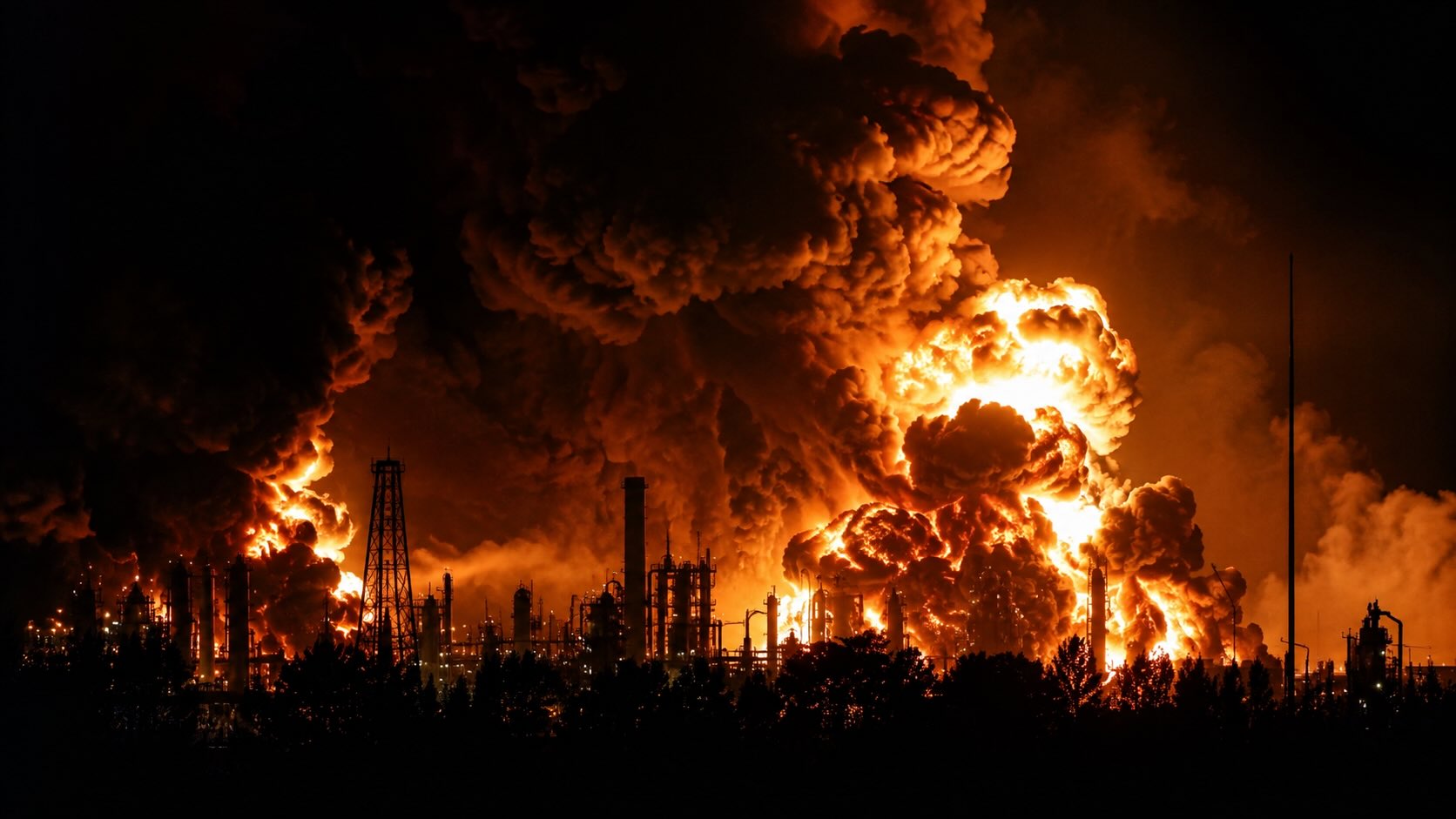
Russian authorities in Krasnodar reported a fire at the Slavyansk-on-Kuban refinery after what they described as a drone attack. Local accounts said the blaze followed the fall of drone debris on the territory of the plant. The full extent of the damage has not yet been independently established.
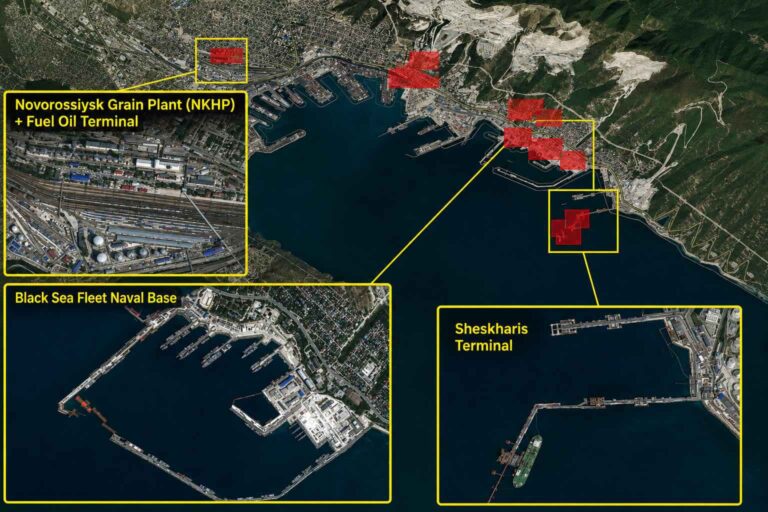
The Slavyansk-on-Kuban facility has been targeted before during Ukraine’s long-range campaign against Russia’s refining sector. Its location in Krasnodar gives it operational importance because the region forms part of Russia’s southern logistics network, including routes linked to occupied Crimea, the Black Sea and Russian forces operating in southern Ukraine.
The reported strike in the Yaroslavl region is more notable for distance. Yaroslavl lies north-east of Moscow, far from the Ukrainian border. A successful strike there would underline Ukraine’s growing ability to reach industrial targets that Russia previously regarded as relatively secure.
The attacks form part of a wider Ukrainian effort to disrupt the fuel system that supports Russia’s war. Refineries process crude oil into diesel, petrol, aviation fuel and other products used by both the Russian military and civilian economy. Damage to refining capacity can interrupt production, complicate distribution and force repairs at facilities that often depend on specialised equipment.
The effect of such strikes is cumulative. Ukraine does not need to destroy Russia’s oil industry to impose costs. Temporary shutdowns, damage to processing units and the need to reroute fuel can affect military logistics and domestic supply. Repeated attacks also force Russia to defend a much wider network of industrial sites across its territory.
Recent reporting has indicated that Ukraine’s refinery campaign has already contributed to production disruption and supply pressure in parts of Russia and occupied territory. The impact varies from site to site, depending on the type of equipment damaged and the time required for repairs.
For Moscow, the defensive problem is expanding. Oil refineries, depots and transport nodes are spread across Russia. As Ukraine’s strike range increases, Russia must either protect more facilities with air defence systems or accept greater vulnerability at sites further from the battlefield.
That creates a strategic dilemma. Air defence assets used to protect refineries deep inside Russia are assets not available elsewhere. At the same time, leaving energy infrastructure exposed carries economic and political costs, especially if attacks affect domestic fuel availability.
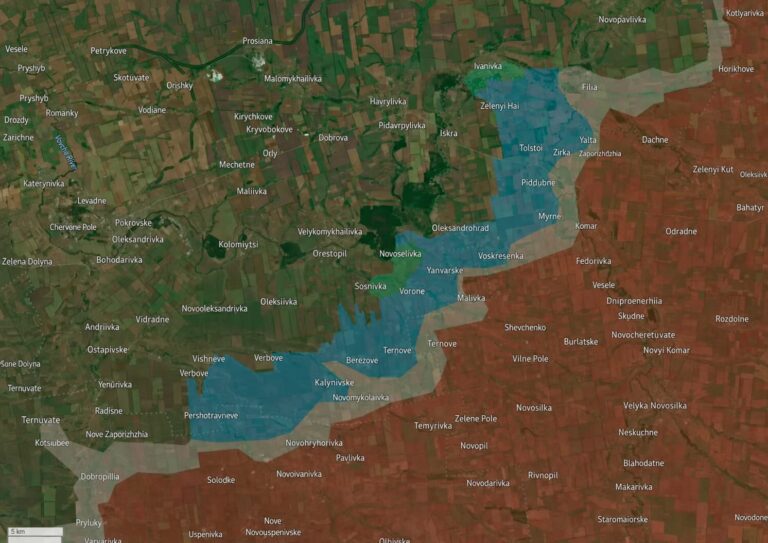
The strikes also show how the war is moving beyond the immediate front line. Russia continues to attack Ukrainian cities, energy infrastructure and industrial sites with missiles and drones. Ukraine is responding by targeting assets it says are linked to Russia’s ability to finance, fuel and sustain military operations.
Kyiv describes these attacks as “long-range sanctions”, a phrase intended to present deep strikes as a military instrument of economic pressure. The concept is simple: if conventional sanctions aim to reduce Russia’s income and access to technology, long-range strikes aim to reduce the physical capacity supporting the war effort.
Russia rejects that framing and describes Ukrainian attacks inside its territory as strikes on civilian infrastructure. However, fuel infrastructure has become a central target because of its direct relevance to military logistics, aviation, transport and the wider war economy.
The latest attacks therefore matter less as isolated incidents than as part of a pattern. Ukraine is trying to turn distance into pressure by showing that refineries hundreds of kilometres from the border are no longer beyond reach.
Whether the strikes on Krasnodar and Yaroslavl cause lasting disruption will depend on the damage to processing units, storage facilities and repair capacity. What is already clear is that Ukraine’s campaign against Russia’s refinery network is continuing and expanding in range.