The intervention by associations representing the Household Cavalry, including the Blues and Royals and the Life Guards, marks an unusual departure for organisations that have traditionally avoided political campaigning. Their support adds momentum to Operation Justice, a campaign coordinated by the Northern Ireland Veterans Movement, which has sought to persuade regimental associations across the armed forces to oppose Labour’s proposed legislation.
The legislation would reverse key provisions of the previous Conservative government’s Legacy Act, reopening the possibility of fresh inquests and civil claims relating to incidents during the conflict. Ministers argue the reforms are necessary to create a system that is legally sustainable and capable of delivering greater confidence among victims’ families after widespread criticism of the earlier legislation.
Veterans’ organisations, however, see the proposals very differently.
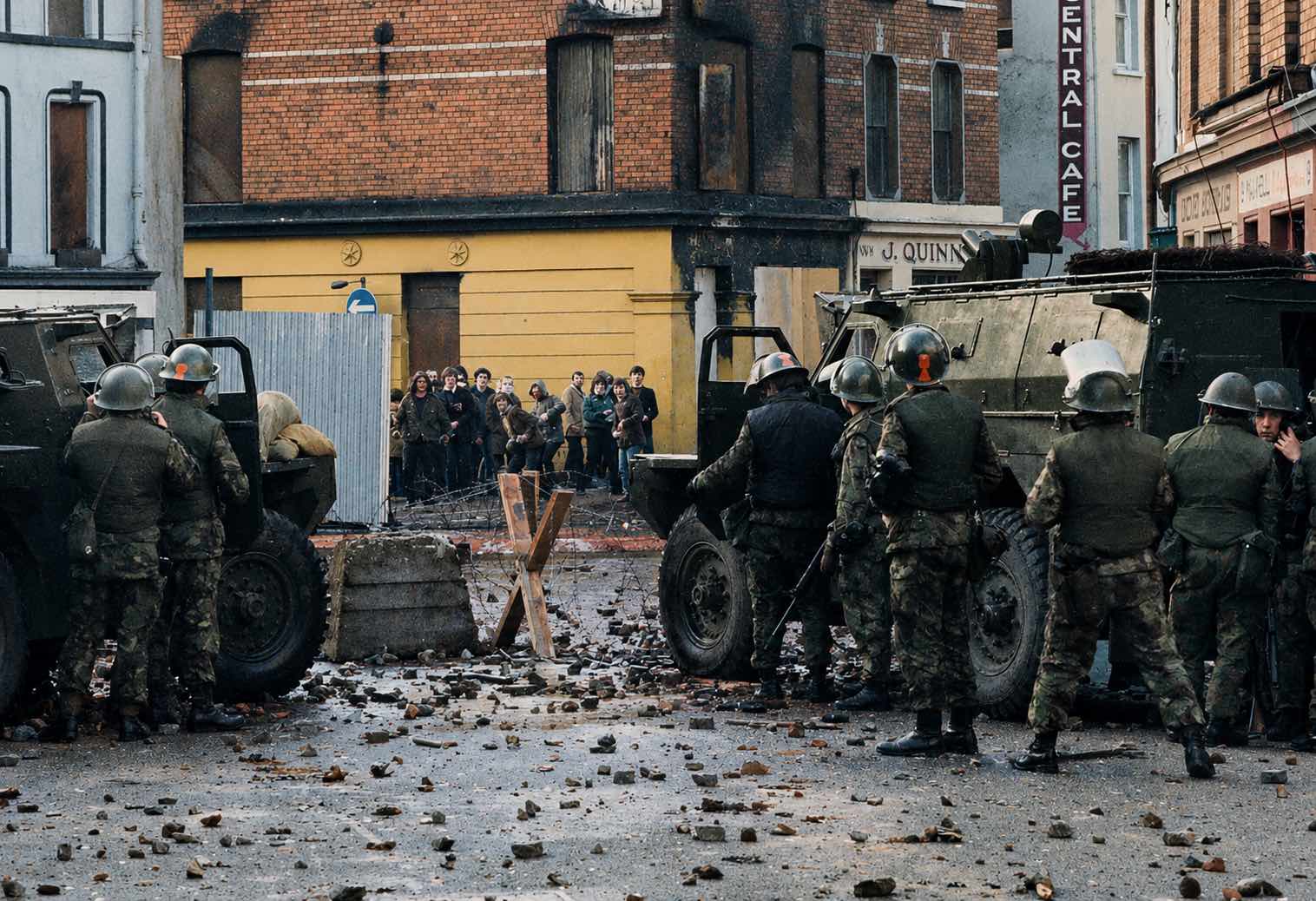
They argue that soldiers who served under the legal framework that existed during Operation Banner could now find themselves judged according to human rights standards developed long after the events concerned. Campaigners contend that the prospect of repeated investigations amounts to retrospective justice and places an intolerable burden on elderly former servicemen.
The death of former Life Guards non-commissioned officer Dennis Hutchings while standing trial in Belfast has become a defining symbol for many veterans, who argue that repeated investigations can themselves amount to punishment regardless of whether convictions are secured.
The debate has also taken on a distinctly political dimension.
Critics of former Prime Minister Sir Keir Starmer, particularly within sections of the veterans’ community, accuse his government of placing greater emphasis on satisfying human rights obligations and addressing historical grievances than on protecting those who served under orders of the state. Those critics argue that Labour has shown greater willingness to revisit the conduct of soldiers than to acknowledge the pressures under which they operated during nearly four decades of violence.
That perception has fuelled growing resentment among many former servicemen. While opinions within the veterans’ community are by no means uniform, organisations campaigning against the legislation have become increasingly vocal in portraying the reforms as a breach of the covenant between the nation and those who served..
The government insists Britain owes an enduring debt to those who served in Northern Ireland while maintaining that families whose relatives died during the Troubles deserve credible investigative mechanisms. Ministers argue that the previous Legacy Act failed to command confidence across Northern Ireland and left significant legal deficiencies that required correction.
Families representing victims killed by both republican paramilitaries and members of the security forces have broadly welcomed efforts to restore investigative processes, arguing that justice cannot simply be abandoned because decades have passed. Human rights lawyers likewise contend that a functioning democracy requires credible mechanisms for investigating alleged unlawful killings irrespective of who committed them.
Yet opposition within military circles continues to broaden.
Former armed forces minister Al Carns resigned after concluding the legislation remained “unfit for purpose”, while retired senior generals have separately warned that the growing use of human rights law in historical military cases risks undermining confidence throughout today’s armed forces.
The result is a dispute extending well beyond Northern Ireland‘s contested history. It has become a wider argument over how democratic societies should reconcile accountability with military service, and whether legal standards developed in peacetime should be applied retrospectively to soldiers who operated in one of Britain’s longest and most politically complex internal security operations.
As Parliament continues its consideration of the legislation, ministers face opposition not only from Conservative politicians but from an increasingly organised network of regimental associations determined to ensure that the experiences of those who served remain central to the debate. Whether Labour can reassure veterans without abandoning its commitment to renewed legacy investigations may determine whether one of the most emotionally charged chapters of Britain’s modern history finally moves towards resolution—or is once again reopened.
The Troubles: the Endless Pursuit of Britain’s Northern Ireland Veterans