Subscription Form
A small European Nato deployment has begun arriving in Greenland as Denmark and its allies move to underline their role in Arctic security amid renewed US pressure to take control of the territory. France confirmed that a 15-strong contingent had reached Nuuk, Greenland’s capital, as part of a Danish-led mission described by officials as reconnaissance ahead of wider joint activity. Personnel from Germany, Sweden, Norway and the United Kingdom are also being sent. The deployments are linked to Danish-led exercises under Operation Arctic Endurance, intended to raise allied presence on and around the island. The movement of troops comes as President Donald Trump has again argued that Washington “needs Greenland for national security”, framing the issue in terms of strategic competition in the High North. Speaking at the White House, he suggested Denmark could not secure the island if Russia or China sought to take advantage of the region, and said the United States had the capability to do so. In public remarks this week, he did not rule out coercive options, while also saying he believed an arrangement with Denmark could be reached. Greenland is a semi-autonomous part of the Kingdom of Denmark, controlling many domestic affairs while Copenhagen retains responsibility for foreign and defence policy. The territory has become more prominent in strategic planning as Arctic sea routes, mineral prospects and military surveillance requirements have increased in importance for Nato members. European officials say this has sharpened the need for allied exercising and presence on Greenland’s vast landmass and in surrounding waters. Paris characterised the initial French troop deployment as the start of a broader reinforcement. President Emmanuel Macron said additional “land, air and sea assets” would follow in the coming days, linking the move to European responsibilities towards allies and to the alliance’s posture in the North Atlantic. A senior French diplomat, Olivier Poivre d’Arvor, said the exercise carried a political message that Nato was present in Greenland. Germany said it would send 13 soldiers to Nuuk by A400M transport aircraft, with officials indicating the contingent would remain only briefly, from Thursday to Saturday. Swedish and Norwegian authorities also confirmed their own participation, while the UK said it was sending a military officer at Denmark’s request. Downing Street said the UK shared US concerns about “the security of the High North” and described the deployment as part of allied efforts to increase exercising and deterrence. Danish defence officials said Denmark and Greenland had agreed on an expanded presence “in the coming period” to bolster Nato’s footprint. The Danish Ministry of Defence said the purpose was to train, exercise and strengthen operational readiness in close cooperation with allies, reflecting heightened geopolitical tension affecting the Arctic. Danish Defence Minister Troels Lund Poulsen has indicated the intent is to operate a rotating presence, with allied participation in training activities intended to support a more durable posture. The deployments follow high-level talks in Washington between Danish and Greenlandic officials and the US administration. Denmark’s foreign minister, Lars Løkke Rasmussen, said the discussions were constructive but that there remained a “fundamental disagreement” over Trump’s stated objective. Greenland’s foreign minister, Vivian Motzfeldt, has emphasised openness to security cooperation, while rejecting any proposal for a transfer of sovereignty. Greenland’s leaders have repeatedly said the territory does not want to be owned or governed by the United States. Prime Minister Jens-Frederik Nielsen has described the situation as a geopolitical crisis and said that, if asked to choose, Greenlanders would prefer Denmark over the US. The US already maintains a military presence in Greenland, centred on Pituffik Space Base, which supports missile warning and space surveillance. Existing arrangements with Copenhagen allow the United States to increase personnel and activity, but the Danish-led European deployment is being treated in European capitals as a signal that Arctic and North Atlantic security is not solely a bilateral matter. Poland’s Prime Minister Donald Tusk said Warsaw did not intend to participate in the deployment, while warning that any US military intervention would have severe political consequences for the alliance. Russia’s embassy in Belgium criticised Nato’s activity in the Arctic and accused the alliance of building up its presence under a pretext of threats from Moscow and Beijing. For Denmark, the immediate priority is to demonstrate allied cohesion while managing a dispute that places two Nato members at odds. For European partners joining Operation Arctic Endurance, the emphasis is on symbolic and practical reinforcement: small numbers of troops, short stays, and planned rotations designed to expand training and surveillance in one of Nato’s most sensitive theatres.

France leads small Nato mission to Nuuk amid US claims on Greenland

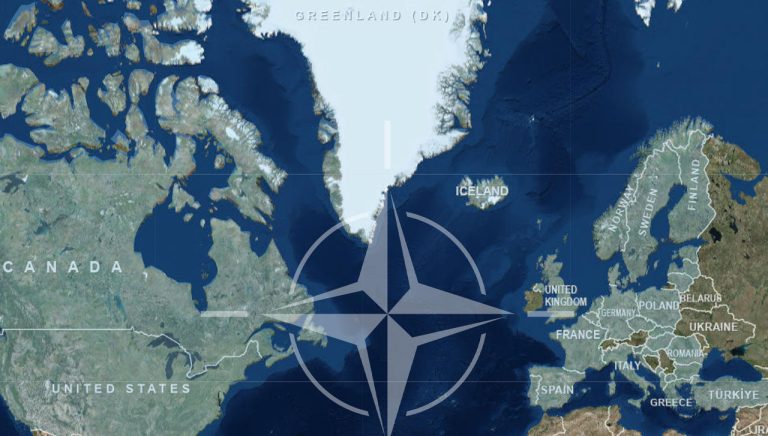
A small European Nato deployment has begun arriving in Greenland as Denmark and its allies move to underline their role in Arctic security amid renewed US pressure to take control of the territory.

France confirmed that a 15-strong contingent had reached Nuuk, Greenland’s capital, as part of a Danish-led mission described by officials as reconnaissance ahead of wider joint activity. Personnel from Germany, Sweden, Norway and the United Kingdom are also being sent. The deployments are linked to Danish-led exercises under Operation Arctic Endurance, intended to raise allied presence on and around the island.

The movement of troops comes as President Donald Trump has again argued that Washington “needs Greenland for national security”, framing the issue in terms of strategic competition in the High North. Speaking at the White House, he suggested Denmark could not secure the island if Russia or China sought to take advantage of the region, and said the United States had the capability to do so. In public remarks this week, he did not rule out coercive options, while also saying he believed an arrangement with Denmark could be reached.

Greenland is a semi-autonomous part of the Kingdom of Denmark, controlling many domestic affairs while Copenhagen retains responsibility for foreign and defence policy. The territory has become more prominent in strategic planning as Arctic sea routes, mineral prospects and military surveillance requirements have increased in importance for Nato members. European officials say this has sharpened the need for allied exercising and presence on Greenland’s vast landmass and in surrounding waters.

Paris characterised the initial French troop deployment as the start of a broader reinforcement. President Emmanuel Macron said additional “land, air and sea assets” would follow in the coming days, linking the move to European responsibilities towards allies and to the alliance’s posture in the North Atlantic. A senior French diplomat, Olivier Poivre d’Arvor, said the exercise carried a political message that Nato was present in Greenland.

Germany said it would send 13 soldiers to Nuuk by A400M transport aircraft, with officials indicating the contingent would remain only briefly, from Thursday to Saturday. Swedish and Norwegian authorities also confirmed their own participation, while the UK said it was sending a military officer at Denmark’s request. Downing Street said the UK shared US concerns about “the security of the High North” and described the deployment as part of allied efforts to increase exercising and deterrence.

Danish defence officials said Denmark and Greenland had agreed on an expanded presence “in the coming period” to bolster Nato’s footprint. The Danish Ministry of Defence said the purpose was to train, exercise and strengthen operational readiness in close cooperation with allies, reflecting heightened geopolitical tension affecting the Arctic. Danish Defence Minister Troels Lund Poulsen has indicated the intent is to operate a rotating presence, with allied participation in training activities intended to support a more durable posture.

The deployments follow high-level talks in Washington between Danish and Greenlandic officials and the US administration. Denmark’s foreign minister, Lars Løkke Rasmussen, said the discussions were constructive but that there remained a “fundamental disagreement” over Trump’s stated objective. Greenland’s foreign minister, Vivian Motzfeldt, has emphasised openness to security cooperation, while rejecting any proposal for a transfer of sovereignty.

Greenland’s leaders have repeatedly said the territory does not want to be owned or governed by the United States. Prime Minister Jens-Frederik Nielsen has described the situation as a geopolitical crisis and said that, if asked to choose, Greenlanders would prefer Denmark over the US.

The US already maintains a military presence in Greenland, centred on Pituffik Space Base, which supports missile warning and space surveillance. Existing arrangements with Copenhagen allow the United States to increase personnel and activity, but the Danish-led European deployment is being treated in European capitals as a signal that Arctic and North Atlantic security is not solely a bilateral matter.

Poland’s Prime Minister Donald Tusk said Warsaw did not intend to participate in the deployment, while warning that any US military intervention would have severe political consequences for the alliance. Russia’s embassy in Belgium criticised Nato’s activity in the Arctic and accused the alliance of building up its presence under a pretext of threats from Moscow and Beijing.

For Denmark, the immediate priority is to demonstrate allied cohesion while managing a dispute that places two Nato members at odds. For European partners joining Operation Arctic Endurance, the emphasis is on symbolic and practical reinforcement: small numbers of troops, short stays, and planned rotations designed to expand training and surveillance in one of Nato’s most sensitive theatres.

Share your love
Defence Ambition
Defencematters.eu Correspondents
Articles: 310

Leave a Reply

Your email address will not be published. Required fields are marked *