A £200 million drone production facility, built by one of Ukraine’s most prominent unmanned-systems manufacturers, has opened its doors in Suffolk, signalling a deepening industrial partnership between Kyiv and London at a time when the balance of military capabilities remains in flux.
The sprawling new complex at Mildenhall and nearby Elmsett will not only manufacture a range of military drones, including long-range reconnaissance and surveillance systems, but also operate training and testing facilities. It represents the first time a Ukrainian defence company has established significant manufacturing capacity on British soil — and does so four years after President Vladimir Putin’s full-scale invasion of Ukraine.
For the British government, the project is a tangible affirmation of its support for Ukraine. Defence Minister Luke Pollard, who formally opened the site this week, described the factory as “a vote of confidence in UK support” and a symbol of durable cooperation between the two nations’ defence industries. The facility, he said in a statement, will create up to 500 jobs in the East of England and drive growth across the supply chain.
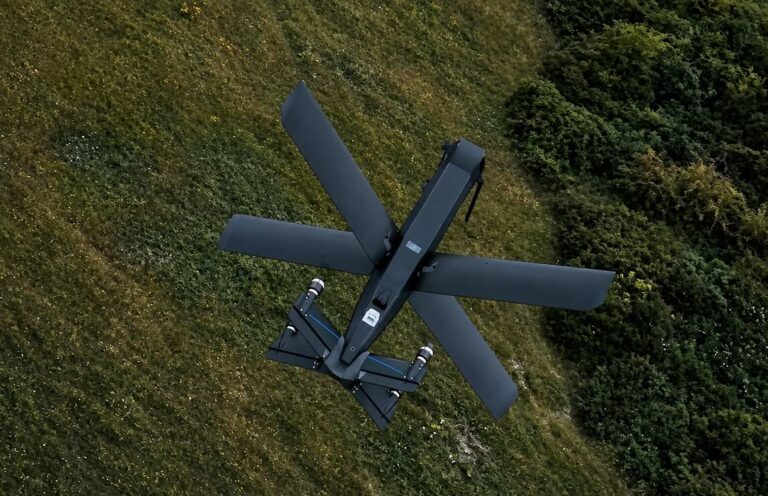
Behind these figures, however, lies a much larger strategic narrative. The drones produced in Suffolk — many of them designed by the Ukrainian firm Ukrspecsystems — have become emblematic of modern warfare: relatively inexpensive, highly mobile systems that can perform reconnaissance, serve as communications hubs, or — in some cases — direct precision strikes. According to official British accounts, the UK has already ordered more than 80 of these systems for use by Ukrainian forces.
The presence of such production capacity outside Ukraine, the company’s leadership argues, is not merely logistical. It is a safeguard against the relentless bombardment of Ukrainian industrial infrastructure by Russian missiles and drones — a “second line of resilience,” as Ukrainian ambassador to the UK General Valerii Zaluzhnyi described it in public remarks. By keeping engineering expertise in Ukraine while shifting manufacturing to a safer and allied territory, the strategy aims to ensure continuity of production and maintain the flow of hardware to the battlefield.
Mr Zaluzhnyi, himself a former commander-in-chief of Ukraine’s armed forces, framed the investment as more than a commercial venture. “This factory represents more than industrial cooperation — it is part of a new European security architecture built on shared responsibility and shared production,” he said. In doing so, he invoked a partnership not of convenience but of strategic necessity.
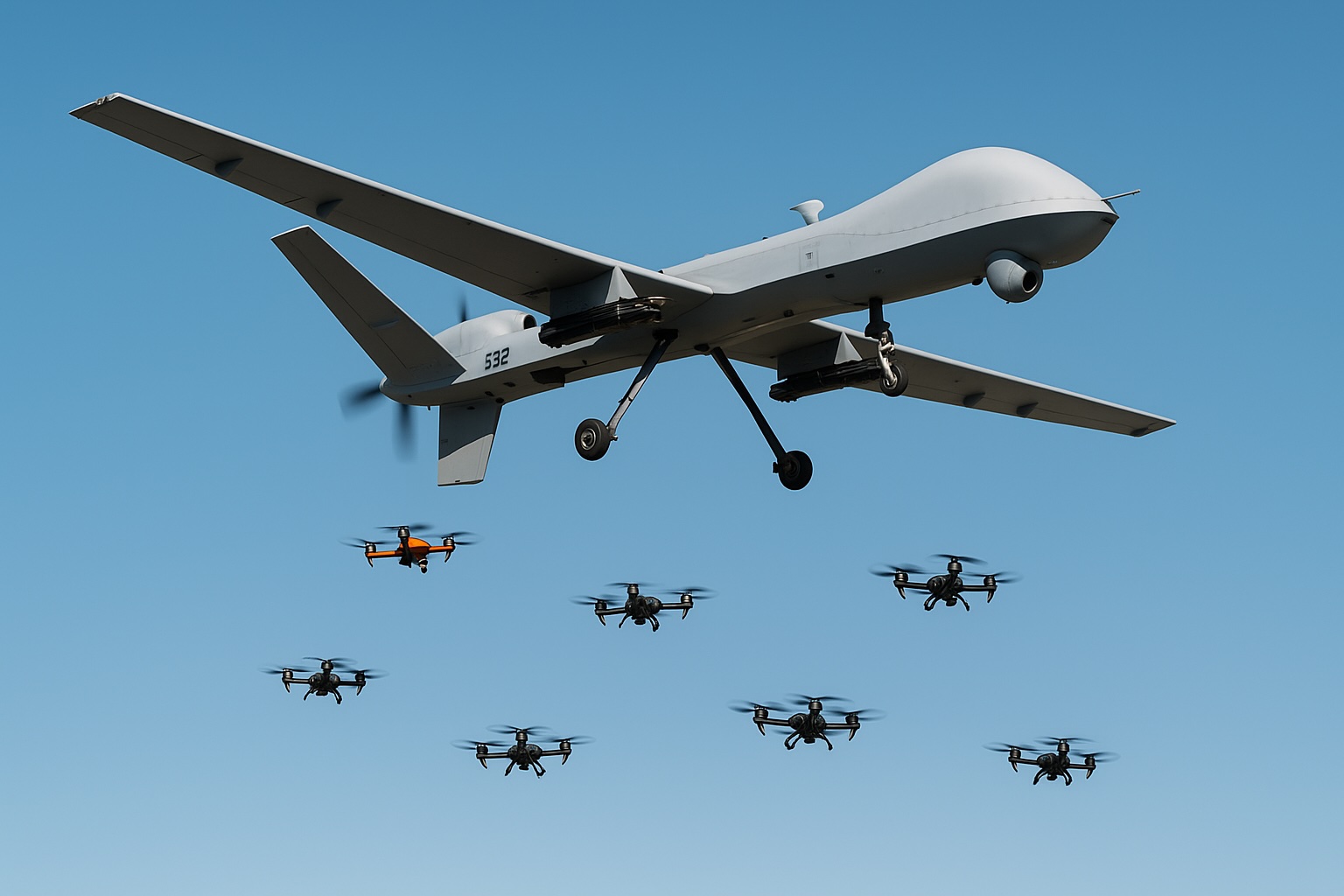
Ukrainian drone technology has already been credited with imposing billions of dollars’ worth of damage on Russian military assets since 2022, according to figures cited by British officials. The UK has also embarked on parallel projects, including the domestically developed Octopus programme to build interceptor drones capable of countering Russian “kamikaze” and Shahed-type UAVs at a fraction of the cost of conventional air-defence systems.
Yet while the defence establishment celebrates the new facility, questions remain about the broader implications for British industry and foreign policy. For some, the deal underlines an admirable commitment to collective security and industrial collaboration. Others, however, worry that inviting foreign production into UK territory could complicate an already complex defence industrial base — particularly if future political winds in Westminster shift away from sustained military support for Kyiv.
There is also a human element. For the workers in Suffolk who will staff the assembly lines, the opportunity represents economic growth and stability in a region where high-tech manufacturing has been comparatively scarce. Yet the products they will build are destined for a theatre of war many miles away, raising questions about the moral and ethical dimensions of the global arms supply chain in an era of protracted conflict.
In a world where geopolitical fault lines are increasingly defined by technological capability, the Suffolk drone factory stands as both a symbol and a tool of the UK’s commitment to Ukraine. Whether it will tip the strategic balance in Kyiv’s favour remains to be seen; what is certain, however, is that the very nature of warfare has changed, and with it the ways in which nations forge alliances and mutual interests.
“Sunray” prototype: Ukraine’s laser option for cheaper drone interception