

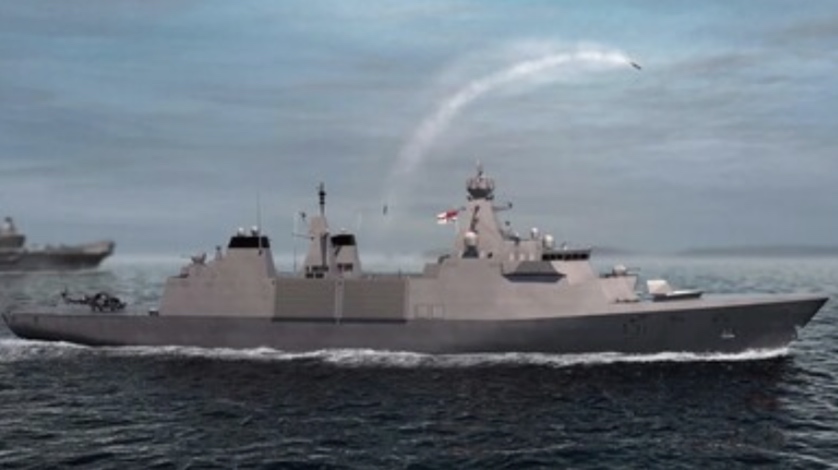
At Babcock’s Rosyth yard in Scotland, the future HMS Active was rolled out from the assembly hall, its sleek silhouette evidence of thousands of hours of labour, planning and innovation. Just steps away, the ceremonial steel-cutting for HMS Bulldog signalled the start of construction on the next vessel in the Type 31 frigate class.
These twin achievements — seemingly technical bureaucratic steps — are far more than that. They represent a tangible renewal in Britain’s maritime capabilities, an affirmation that decades-old shipbuilding expertise remains alive and well, and a boost to communities whose economic fortunes are tied to these historic industries.
The Type 31 frigates are intended to be versatile workhorses for the Royal Navy. At just under 5,700 tonnes each, these ships are being designed to operate across a vast spectrum of missions: from defence engagement and humanitarian support to intelligence gathering and maritime interception. As key nodes in the navy’s “hybrid fleet”, they are expected to offer adaptability in an era defined by rapid geopolitical change and new challenges at sea.
What makes this particularly significant is not just the ships themselves, but the broader strategy they embody. After years of debate about defence priorities and industrial capacity, the Type 31 programme is a statement of intent: Britain is building not just vessels, but sustained capability, rooted in homegrown design and manufacturing.
Rosyth’s transformation into a “frigate factory” has been a story of deliberate investment and community engagement. Beyond the assembly lines, the programme has delivered over 400 apprenticeships in advanced manufacturing and engineering, creating clear pathways for young people into high-skilled work.
Local suppliers have also felt the benefits: some 1,250 jobs are supported across the Type 31 programme itself, with another 1,250 roles sustained in the broader UK supply chain. These aren’t abstract numbers but livelihoods — wholesalers of specialised components, engineers fine-tuning navigation systems, technicians fitting out interiors, and more. For many towns and cities beyond Scotland, the ripple effects are palpable.
This human dimension sets the story apart from the usual storylines about defence hardware. It’s a testament to what can be achieved when a major national programme deliberately builds links between strategic ambition and everyday economic opportunity.
The rollout of HMS Active and the steel cut for HMS Bulldog also reflect how naval shipbuilding is evolving. The use of modular construction techniques, pre-outfitting of systems and a more agile assembly process points toward a future where British yards can compete on the global stage. Industry leaders highlight the maturity of these methods and the potential for further export success with the underlying platform design.
It’s also worth noting a broader backdrop: the UK government has pledged a sustained increase in defence spending, aiming for 2.6% of GDP from 2027. Whether one debates the details of defence policy or not, the commitment to a strong industrial base and a clear long-term plan matters to investors, workers and allied partners.
This programme’s momentum comes at a time when discussions about Britain’s role in the world, and its industrial future, remain front and centre. In an age marked by strategic competition and the need for resilient supply chains, the visible progress at Rosyth offers more than just good PR — it provides a model for how capability, community and national purpose can intersect.
It’s easy to miss these quieter achievements amid flashier headlines, but in their own way, they’re no less profound. A shipyard buzzing with activity, apprentices in hard hats learning from seasoned welders, and the unmistakable sight of steel taking shape into purpose — these moments carry meaning. They speak to a nation rebuilding its fleet, yes, but also to one nurturing its people and industry for decades to come.
In the rolling-out of steel and the cutting of plates, there is something deeply symbolic: a country not just preparing for the challenges ahead, but doing so in a way that reflects a wider vision of prosperity, skill and shared success.
AUKUS: U.K.–Australia Talks Focus on Building Weapons Together

Ukraine’s Defence Industry and Its European Future