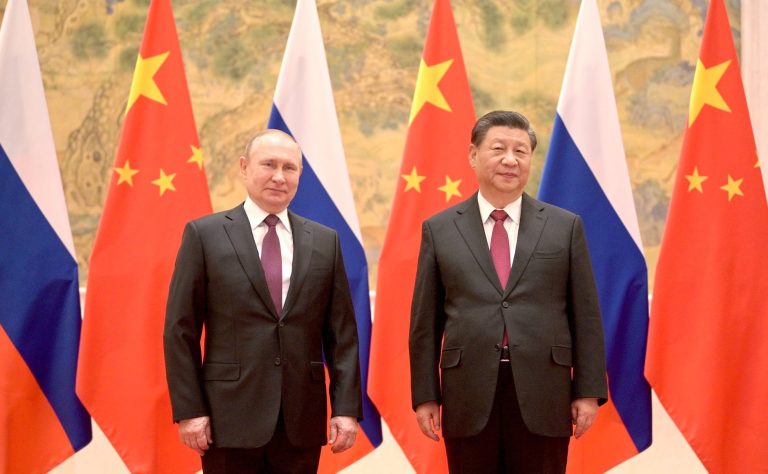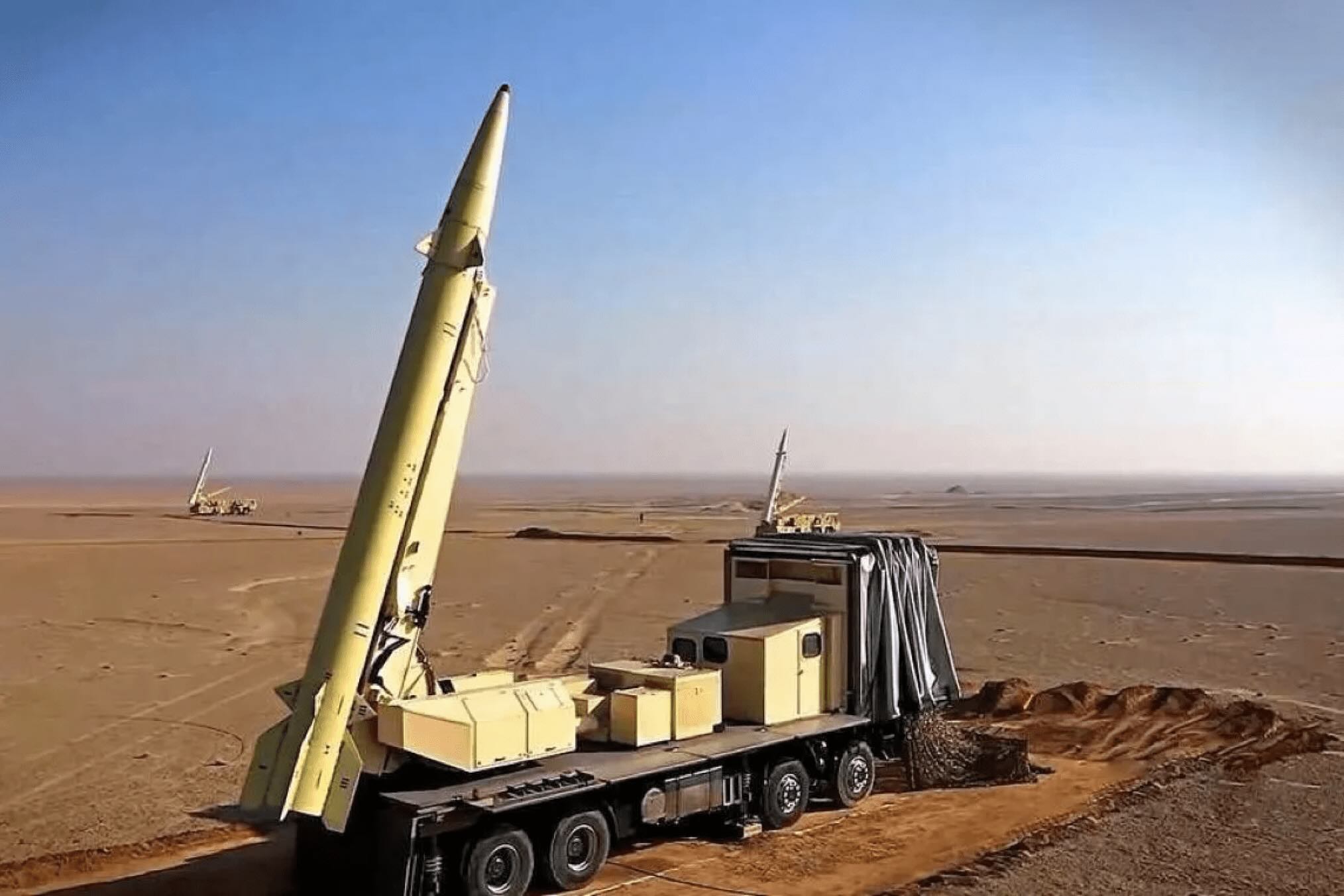
The allegation, if confirmed, would point to a further deepening of military and intelligence cooperation between Moscow and Tehran at a time of heightened instability across the Middle East.
According to the report, the targets were organised into three categories based on their strategic importance to Israel’s electricity system. The first category reportedly includes major power generation facilities whose destruction could severely disrupt the national grid. Among those named as a priority target was the Orot Rabin power station, one of Israel’s largest electricity-producing sites. A second category is said to cover major urban and industrial energy hubs in central Israel, while a third includes regional substations serving industrial zones and smaller local generation facilities.
The reported assessment attributed to Russian intelligence argues that Israel’s electricity network is especially vulnerable because the country functions as an “energy island”, with no routine electricity imports from neighbouring states. On that basis, the report says, damage to a limited number of key installations could trigger a wider system failure, producing prolonged blackouts and difficult technical recovery. Such an assessment, if genuine, would show a focus not merely on military targets but on civilian infrastructure with broader national consequences.
The claims come against the background of separate remarks by President Volodymyr Zelenskyy, who said on 5 April that Russia had provided Iran with satellite intelligence on more than 50 Israeli energy sites. In comments reported after an interview with the Associated Press, Zelenskyy said the facilities in question were civilian infrastructure and alleged that Moscow was helping Tehran to direct attacks against non-military targets. His statement did not provide public documentary evidence, but it broadly aligns with the later Jerusalem Post report in terms of scale and subject matter.
If the allegation is accurate, it would reflect an expansion of the Russia-Iran partnership beyond drones, missiles and conventional defence cooperation into intelligence support linked directly to regional conflict. Moscow and Tehran have moved closer since Russia’s full-scale invasion of Ukraine, with Western and Ukrainian officials repeatedly accusing Iran of supplying Russia with drones and other military systems. The reported transfer of detailed targeting information concerning Israel would mark a more direct Russian role in a theatre already under intense pressure from ongoing confrontation involving Iran, Israel and the United States.
Ukrainian officials, as quoted in the report, argue that Moscow would have more than one motive for such a move. One would be to strengthen Iran, a key regional partner. Another would be to intensify a Middle Eastern crisis capable of drawing diplomatic attention, military resources and media focus away from Russia’s war against Ukraine. That argument echoes Zelenskyy’s public warning that a prolonged war involving Iran could weaken international attention to Ukraine and complicate access to already constrained air defence resources, including Patriot missile systems.
The report also lands at a moment when energy infrastructure has become central to the wider regional escalation. Reuters reported in recent days that Israel was preparing possible strikes on Iranian energy facilities, while AP has separately described the strategic significance of Iranian petrochemical and gas installations already hit during the current confrontation. In that context, the alleged Russian transfer of data on Israel’s power system would suggest a reciprocal logic of targeting energy assets as instruments of strategic pressure.