Ukraine has accused Russia of breaching a unilateral ceasefire declared by Kyiv within hours of its entry into force, after overnight drone and missile attacks continued into Wednesday morning.
The ceasefire, announced by President Volodymyr Zelenskyy, began at midnight between 5 and 6 May. Ukrainian Foreign Minister Andrii Sybiha said Moscow had ignored the initiative and that Russian forces continued attacks through the night, including strikes on Kharkiv and Zaporizhzhia.
According to Ukraine’s air force, Russia launched two ballistic missiles, one cruise missile and 108 drones at Ukraine from 6pm local time on Tuesday. Air alerts and reports of incoming drones continued after the ceasefire came into effect.
Sybiha said the attacks showed that Russia had rejected what Kyiv described as a realistic call to halt hostilities. He also criticised Moscow’s own proposal for a temporary ceasefire around 9 May, when Russia marks Victory Day with commemorations of the Soviet defeat of Nazi Germany.
“This shows that Russia rejects peace and its fake calls for a ceasefire on May 9th have nothing to do with diplomacy,” Sybiha wrote in a statement on X. He called for further pressure on Moscow, including sanctions, isolation, accountability for Russian crimes and increased support for Ukraine.
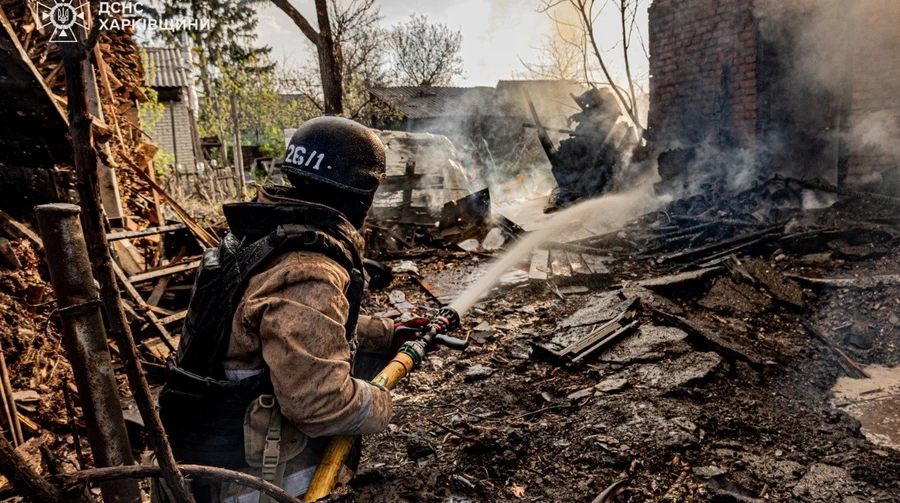
The immediate military picture remained mixed. Ukrainian officials reported a fatal drone strike on a civilian car in Sumy region, where one passenger was killed and the driver wounded. In Kharkiv, a drone attack damaged private homes, while local officials said one woman suffered an acute stress reaction and another person sought medical help. In Zaporizhzhia, which had already suffered a deadly strike on Tuesday, Russian forces hit an industrial infrastructure site. Kryvyi Rih also came under morning drone attack, with damage reported but no injuries.
Kyiv’s ceasefire proposal came after Moscow announced its own temporary halt to fighting for 8 and 9 May. Russia presented that pause as linked to Victory Day events, including the annual military parade in Moscow. Ukraine, however, argued that a ceasefire should not be limited to a symbolic date or conditioned on the security of Russian commemorations.
Zelenskyy said earlier this week that Ukraine was prepared to halt fire from 6 May and would act “symmetrically” if Russia did the same. The Ukrainian position was that a ceasefire should begin immediately and serve as a practical step towards ending hostilities, rather than a limited pause arranged around Moscow’s domestic calendar.
Russia has not accepted Kyiv’s ceasefire proposal. Its own announced pause has been framed around 9 May, with the Russian Defence Ministry warning against any attempt to disrupt the Moscow parade. The Russian ministry said earlier that the armed forces would take measures to ensure the security of the Victory Day events and warned of retaliation in the event of Ukrainian attacks.
The competing ceasefire announcements have therefore become part of the wider diplomatic contest over responsibility for the continuation of the war. Kyiv is seeking to demonstrate that it is ready for a broader halt in fighting, while arguing that Russia is interested only in a short suspension around a politically important date. Moscow, for its part, has focused its public messaging on the protection of Victory Day commemorations.