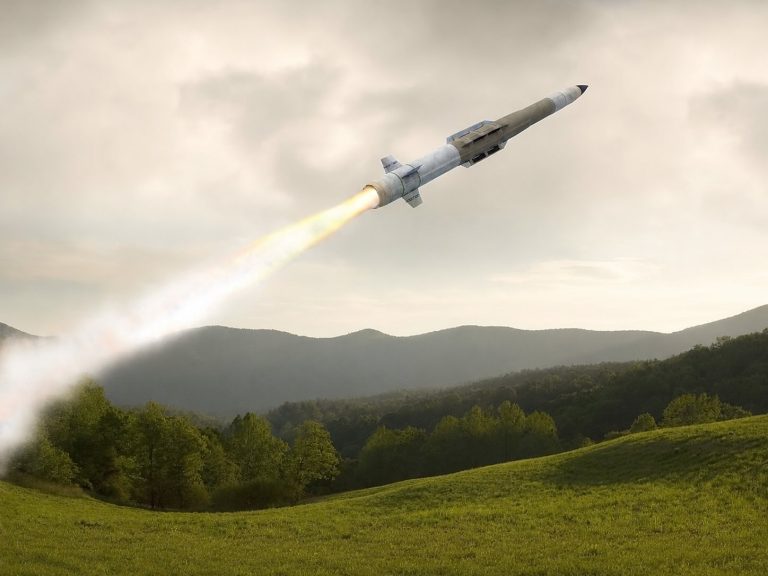
Washington has warned several European allies that deliveries of US weapons systems are likely to face significant delays as the Pentagon moves to replenish inventories depleted during the recent war with Iran.
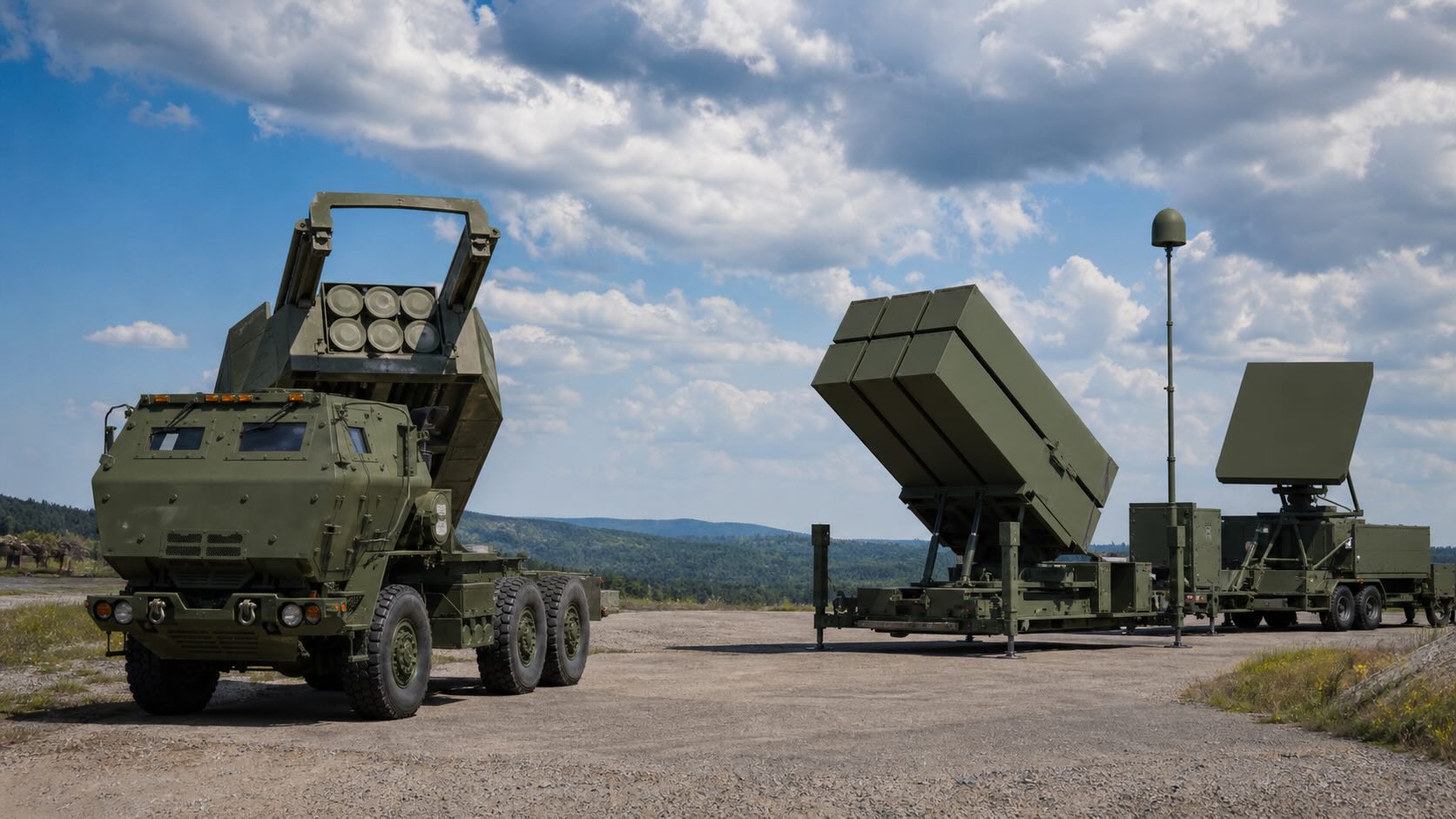
The warning affects allies including the United Kingdom, Poland, Lithuania and Estonia. It relates to munitions for systems including HIMARS and NASAMS, with discussions also taking place over possible delays to deliveries in Asia. The issue is not confined to procurement timetables. It points to a broader strategic problem for the United States and its allies: high-intensity warfare is consuming precision munitions faster than industry can replace them.
The latest warning to European allies follows earlier notifications that some previously contracted deliveries could be pushed back because the Iran war had drawn heavily on American stockpiles. The affected deliveries sit within a larger pattern of demand across Europe, the Middle East and the Indo-Pacific, where US weapons systems remain central to allied defence planning.
According to the reporting, the Pentagon has told partners that several missile-related deliveries may be delayed as the US military rebuilds stocks used during the Iran campaign. American forces have also had to move weapons from other regions to cover shortfalls, including from the Indo-Pacific. That has sharpened concerns over whether the United States has sufficient inventories to deter China or respond to a possible crisis over Taiwan.
The systems involved are significant. HIMARS, manufactured by Lockheed Martin, has been used extensively by Ukraine against Russian forces. NASAMS, produced by Raytheon and Norway’s Kongsberg, is a medium-range air-defence system used by several US partners, including Ukraine, Lithuania, Norway, Finland, the Netherlands, Denmark, Spain, Australia, Qatar and Oman.
The Pentagon has said it is assessing new equipment requests and existing transfer cases to ensure they meet operational needs, but has declined to provide detailed information, citing the sensitive nature of the issue. That position leaves European governments with limited public clarity at a time when they are increasing defence spending and seeking firm delivery schedules.
The warning comes at a strained moment in transatlantic relations. President Donald Trump has criticised European allies for not doing more to support the US campaign against Iran. However, the reported delays appear to reflect inventory pressure rather than a punitive political measure. The distinction matters, because it suggests a capacity problem rather than a temporary diplomatic dispute.
The legal and political context in Washington adds another layer. On 1 May, the White House told Congress that hostilities against Iran had “terminated”, following a ceasefire after US and Israeli military action that began on 28 February. Trump argued that the ceasefire meant the War Powers Resolution deadline no longer applied. Democrats disputed that position, pointing to the continuing US military presence in the region and the unresolved consequences of the conflict. The war powers dispute underlines how military commitments, legal authority and stockpile management are now linked.
For Ukraine, the timing is particularly serious. Kyiv remains dependent on US air-defence interceptors and precision weapons after more than four years of full-scale war against Russia. Ukrainian officials have previously warned that delays in US deliveries have affected battlefield readiness. President Volodymyr Zelenskyy has said that late deliveries have at times left Patriot launchers without interceptors during Russian missile attacks.
Odesa strike sharpens pressure on Europe over Ukraine’s air-defence gap
The implications extend beyond Europe. Security analysts have warned that Asian allies such as Japan and South Korea should also expect disruption. Both rely heavily on US systems, including Patriot interceptors, for missile defence. Washington is also preparing a large arms package for Taiwan that could include NASAMS and Patriot interceptors, adding to demand on the same production base.
This is not the first time Washington has delayed allied weapons deliveries to meet a more urgent requirement. In 2024, the Biden administration paused deliveries of Patriot and NASAMS interceptors to other countries in order to prioritise Ukraine. The present case appears broader, however, because it is linked not only to Ukraine’s requirements but also to Middle Eastern operations and deterrence planning in Asia.
For Europe, the message is clear. US weapons remain central to NATO defence, but American stockpiles are not unlimited and Washington’s priorities can shift rapidly. Procurement contracts do not guarantee availability when the same weapons are needed across several theatres at once.
European governments have already recognised the industrial problem. The EU’s Act in Support of Ammunition Production was designed to increase ammunition output, identify bottlenecks and support the replenishment of stocks. NATO’s updated Defence Production Action Plan also calls on allies to address production capacity, supply-chain risks, components, raw materials and stockpiling.
These measures remain necessary, but they do not solve the immediate problem. Defence production cannot be expanded at the speed at which munitions are being consumed. New capacity requires contracts, investment, skilled labour, components, testing and long-term demand signals. Higher defence spending will not automatically create availability if production lines are already committed.
The immediate issue is delivery schedules. The larger issue is industrial depth. If European states continue to rely heavily on American systems while US inventories are simultaneously required for Ukraine, the Middle East and Taiwan, availability in a crisis will remain uncertain.
The delays do not mean that transatlantic defence co-operation is failing. They show that allied demand has exceeded available supply and that European readiness still depends on inventories and decisions beyond Europe’s direct control. For NATO’s European members, that is a procurement issue, an industrial issue and a readiness issue at the same time.