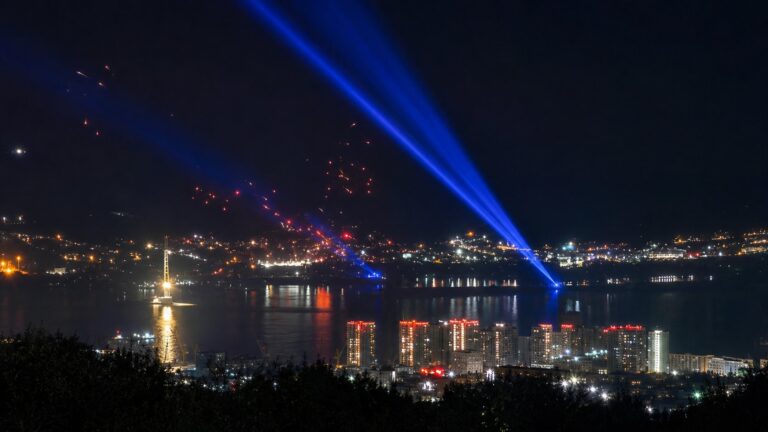
According to a Reuters investigation published this week, Saudi Arabia quietly launched covert retaliatory strikes on Iranian territory during the recent Middle East conflict, marking the first known instance of Riyadh directly attacking Iran on its own soil.
The significance of that development cannot be overstated. For years, the rivalry between Saudi Arabia and Iran was fought through proxies — in Yemen, Lebanon, Syria and Iraq — while both powers carefully avoided open military confrontation. Now, the mask appears to have slipped.
The reported Saudi strikes came after Iranian missile and drone attacks hit targets inside the kingdom during the 10-week regional war triggered by American and Israeli operations against Tehran earlier this year. Reuters cited Western and Iranian officials who said Saudi air attacks were carried out in late March as “tit-for-tat” retaliation.
Riyadh has not formally confirmed the operations, but nor has it issued the sort of categorical denial one might expect if the claims were fanciful. Instead, Saudi officials have remained deliberately opaque — itself a telling sign.
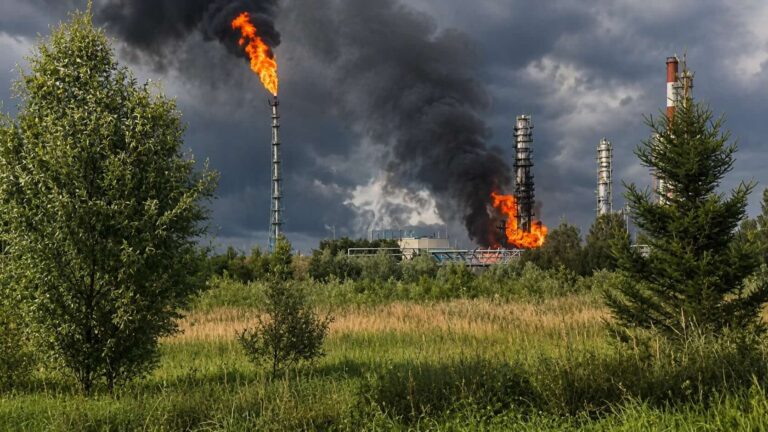
The broader context explains why the kingdom may have decided to act. Iran’s campaign against Gulf infrastructure exposed the uncomfortable truth that even the world’s largest oil exporter remains acutely vulnerable. Iranian strikes reportedly targeted oil facilities, military bases and infrastructure across the Gulf. Attacks on Saudi facilities, including the strategically vital Ras Tanura refinery, rattled global energy markets and revived memories of the 2019 Aramco attacks that humiliated Saudi air defences.
This time, however, Crown Prince Mohammed bin Salman appears unwilling to absorb blows without response.
That represents a remarkable strategic shift. Saudi Arabia has traditionally approached direct confrontation with extreme caution, conscious that Iran possesses a formidable missile arsenal and an extensive network of allied militias stretching from the Levant to the Gulf. The kingdom’s military spending may be lavish, but its operational confidence has often been questioned, particularly after the long and inconclusive campaign in Yemen.
Yet the regional landscape has changed dramatically. The war demonstrated that the Gulf monarchies could no longer assume Washington would automatically neutralise every threat on their behalf. American protection remains extensive, but the conflict exposed limits to US deterrence and raised uncomfortable questions in Riyadh about reliance on foreign guarantees.
The Saudi calculation now seems brutally pragmatic: if Iran believes the kingdom will never strike back directly, Tehran’s incentives for escalation only increase.
Equally striking is the apparent coordination emerging among Gulf states. Reports this week also suggested that the United Arab Emirates carried out its own covert operations against Iranian targets. What once appeared unthinkable — Arab Gulf states directly hitting Iran — is becoming reality.
That carries enormous risks.
The Middle East’s fragile equilibrium has long depended on a degree of strategic ambiguity. Once regional powers openly trade attacks on each other’s territory, escalation becomes far harder to control. Iran may tolerate covert operations temporarily, but sustained retaliatory exchanges could drag the entire Gulf into a prolonged regional conflict with devastating economic consequences.
The Strait of Hormuz remains the world’s most critical energy chokepoint. Even temporary disruption sends shockwaves through global markets. Reuters reported that the recent conflict already affected shipping routes and energy exports across the region.
Europe, meanwhile, watches nervously from the sidelines. Having spent years pursuing diplomatic engagement with Tehran while simultaneously deepening commercial ties with Gulf monarchies, European governments now find themselves confronting a Middle East that is becoming more militarised, more polarised and less predictable.
For Britain, the implications are particularly acute. The UK maintains close defence ties with Saudi Arabia and extensive interests across the Gulf. Any sustained escalation involving Saudi-Iranian direct conflict would inevitably draw London into difficult strategic decisions — especially if attacks threaten international shipping or global oil supplies.
There is also a deeper geopolitical consequence emerging from this confrontation. Saudi Arabia’s willingness to strike Iran directly suggests the kingdom increasingly sees itself not merely as a wealthy regional player but as a hard power prepared to act independently. Mohammed bin Salman has spent years reshaping Saudi Arabia economically and socially under Vision 2030. Now he appears to be reshaping its military posture as well.
Critics will point to the dangers of escalation and accuse Riyadh of inflaming an already volatile region. Yet Saudi officials are likely to argue that deterrence requires visible resolve. In their view, failing to respond decisively to Iranian attacks would only invite further aggression.
The danger is that both sides may now believe exactly the same thing.
For years, Gulf leaders and Western diplomats insisted that nobody wanted direct Saudi-Iranian confrontation. Technically, that may still be true. But the line separating shadow war from open conflict has become perilously thin.
And once nations begin crossing that line in secret, history suggests it rarely stays secret for long.
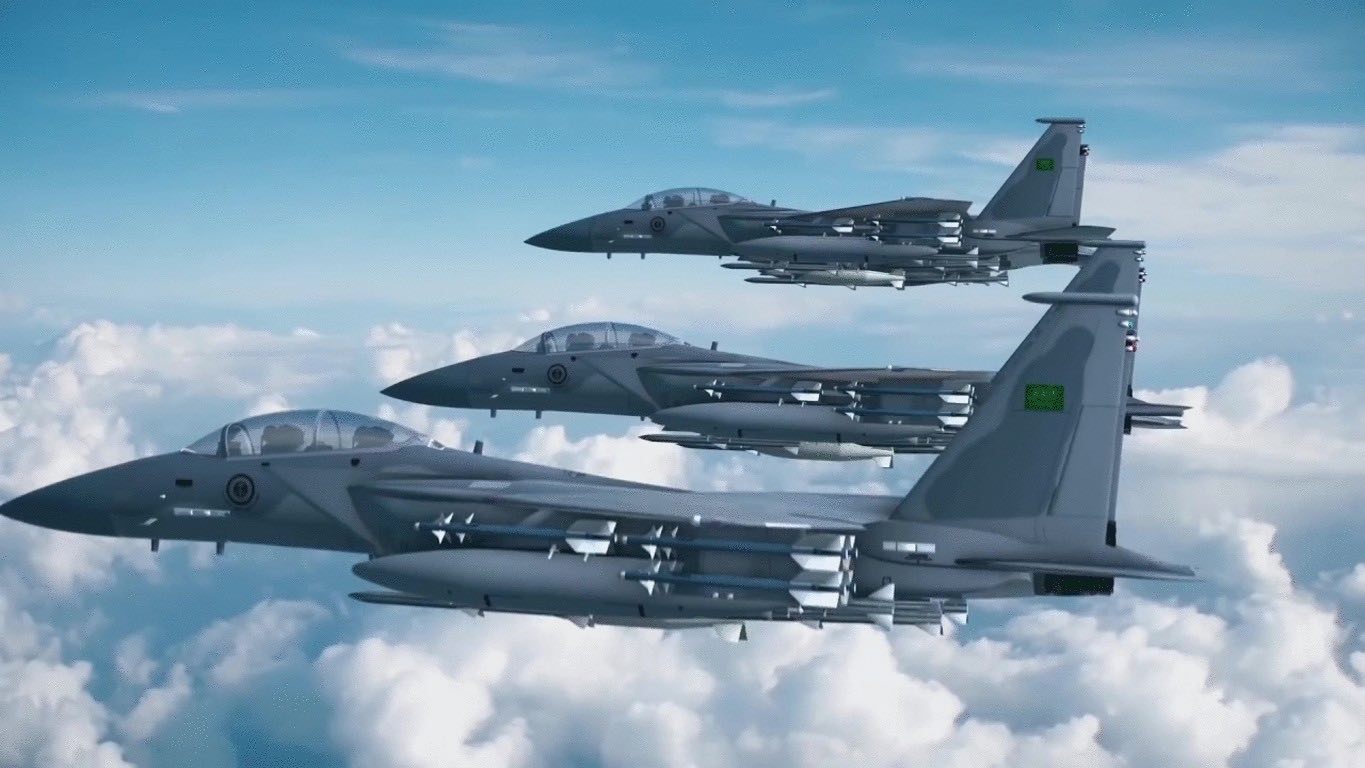
Trump signals approval for sale of F-35 fighter jets to Saudi Arabia