Valerii Zaluzhnyi has warned that control of the Black Sea is central to Ukraine’s survival, arguing that the region will shape not only the outcome of the war but also the future security architecture of Europe.
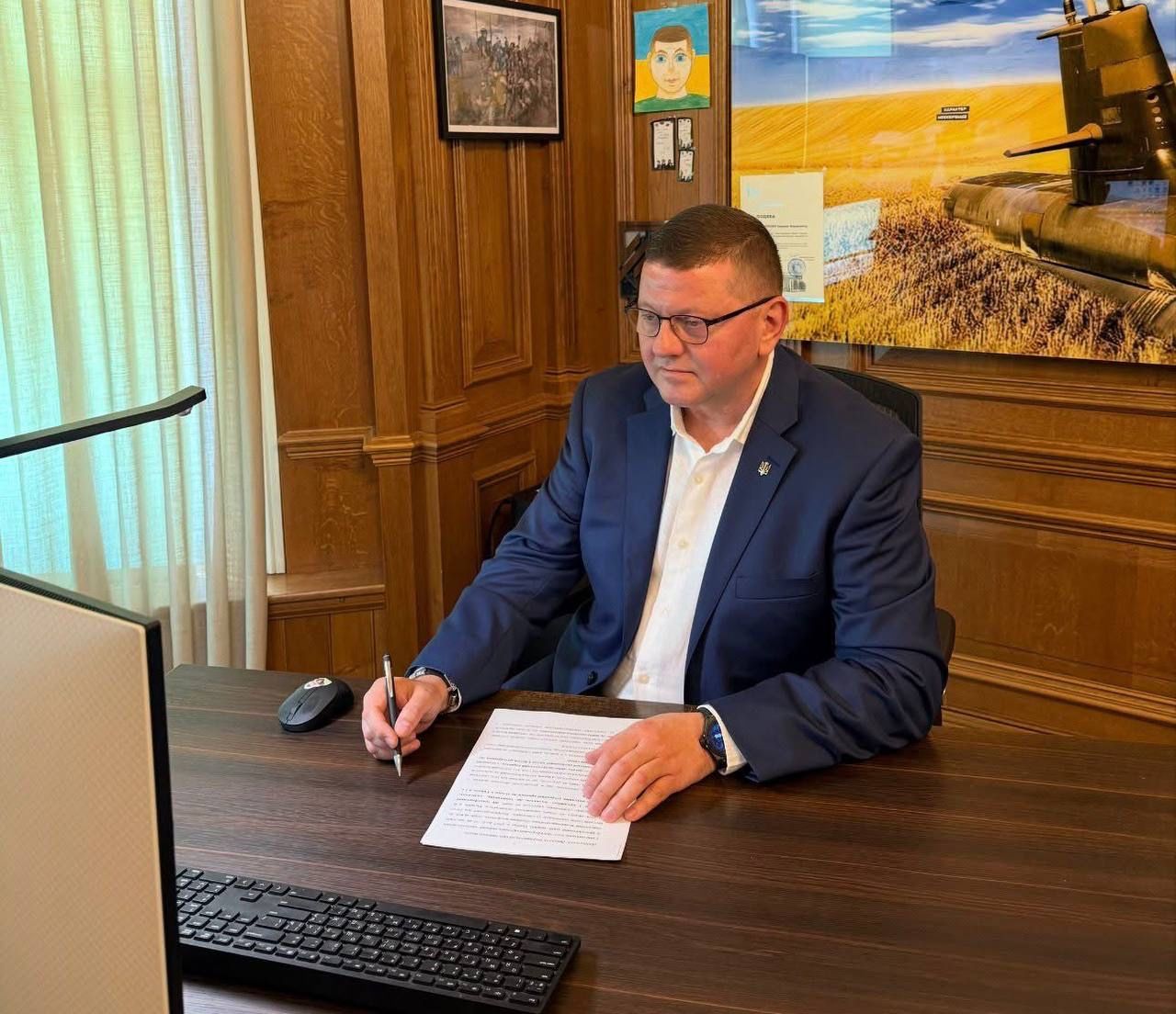
Speaking at the Black Sea Security Forum in Odesa, Ukraine’s former commander-in-chief, now the country’s ambassador to the United Kingdom, said the Azov-Black Sea region was vital for Ukraine’s maritime trade, natural resources, critical infrastructure and long-term security. In a statement following his address, Zaluzhnyi framed the region as one of the main theatres in the confrontation between Russia and the post-2022 European security order.
His remarks came at a time when the Black Sea remains both a battlefield and an economic lifeline. Ukraine has managed to reopen a maritime export route despite Russia’s withdrawal from the earlier grain deal and repeated attacks on ports, shipping infrastructure and civilian vessels. The route has become essential for Ukrainian exports, particularly grain and metals, while also demonstrating that Russia has not been able to impose full control over the north-western Black Sea.
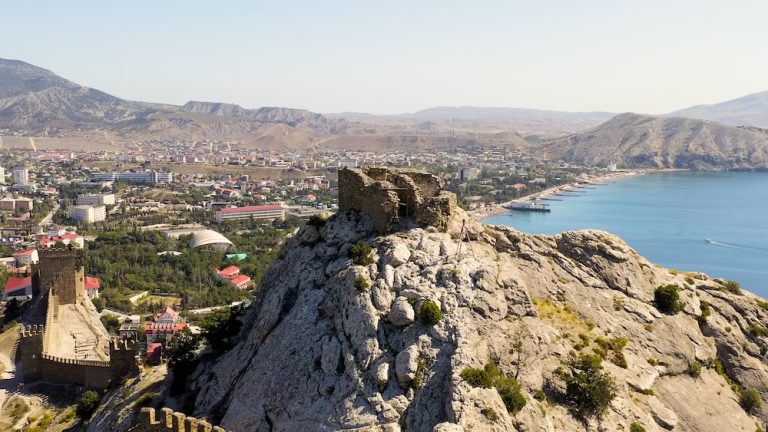
That has strategic significance beyond Ukraine. The Black Sea has long been central to Russian policy because it provides access to warm-water ports and, through the Bosphorus and Dardanelles, a route towards the Mediterranean. The annexation of Crimea in 2014 allowed Moscow to expand its military position in the region and strengthen the Black Sea Fleet’s ability to project power beyond Ukraine, including towards Syria and the eastern Mediterranean.
Zaluzhnyi’s central argument was that this pattern must not be allowed to continue. Russia’s effort to dominate the Black Sea is not merely a naval question; it is tied to trade, coercion, energy infrastructure, military access and Russia’s ability to apply pressure on southern Europe and further into Africa and the Middle East. For Ukraine, the sea is a route for exports and reconstruction. For Europe, it is part of the continent’s southern security flank.
Ukraine has changed the naval balance through asymmetric warfare. Long-range strikes, missiles and uncrewed surface vessels have reduced the operational freedom of the Russian Black Sea Fleet and forced Moscow to reconsider how it uses naval power in the region. Russia has also been working on its own uncrewed maritime systems, meaning the contest for the Black Sea is increasingly technological as well as territorial.
The risks remain visible. Russian attacks on commercial shipping have continued, including recent drone strikes against foreign-flagged merchant vessels travelling along Ukraine’s maritime corridor. Earlier attacks on ports such as Izmail have underlined the vulnerability of Ukraine’s export infrastructure and the proximity of the war to NATO territory, particularly Romania.
This is why Zaluzhnyi’s appeal was directed not only at Kyiv’s partners in the West, but also at Black Sea states themselves. Turkey, Romania and Bulgaria are already involved in regional maritime co-operation, including the Mine Countermeasures Black Sea Task Group, which aims to improve the safety of navigation by identifying and neutralising drifting naval mines. That co-operation remains limited, but it points towards the kind of regional security framework Ukraine argues will be needed after the war.
Turkey’s role is especially important. Under the Montreux Convention, Ankara controls access through the Turkish Straits. Since Russia’s full-scale invasion, Turkey has closed the straits to warships of the belligerent states, limiting Moscow’s ability to reinforce the Black Sea Fleet from outside the region. Any post-war arrangement in the Black Sea will therefore require Turkish involvement, not only because of geography but because Ankara holds a legal and strategic gatekeeping role.
Zaluzhnyi also pointed towards a broader north-south security axis, linking the Baltic and Black Sea regions. The argument reflects a wider reassessment in Europe after Finland and Sweden’s entry into NATO and after repeated Russian pressure on maritime, air and infrastructure security across the continent. From the Baltic Sea to the Black Sea, the challenge is no longer confined to conventional land warfare. It includes drones, sabotage, naval mines, cyber operations, airspace violations and attacks on trade routes.
For Ukraine, the immediate task is to preserve freedom of navigation and prevent Russia from rebuilding a position from which it can threaten Odesa, the Danube ports and maritime exports. For Europe, the larger task is to ensure that the Black Sea is not treated as a peripheral theatre. The security of the region affects food supply, energy routes, NATO’s south-eastern flank and Russia’s ability to operate beyond its own shores.
Zaluzhnyi’s warning was therefore broader than a call for maritime support. It was a statement that Ukraine’s future cannot be separated from access to the sea, and that European security cannot be stable if Russia is allowed to restore dominance over the Black Sea.
If Ukraine and its partners can keep the maritime corridor open, strengthen regional naval co-operation and deny Moscow the ability to turn Crimea into an uncontested platform for power projection, the Black Sea could become one of the pillars of a future European security settlement. If they fail, Ukraine’s economy will remain exposed and Europe’s southern flank will remain vulnerable to renewed Russian pressure.