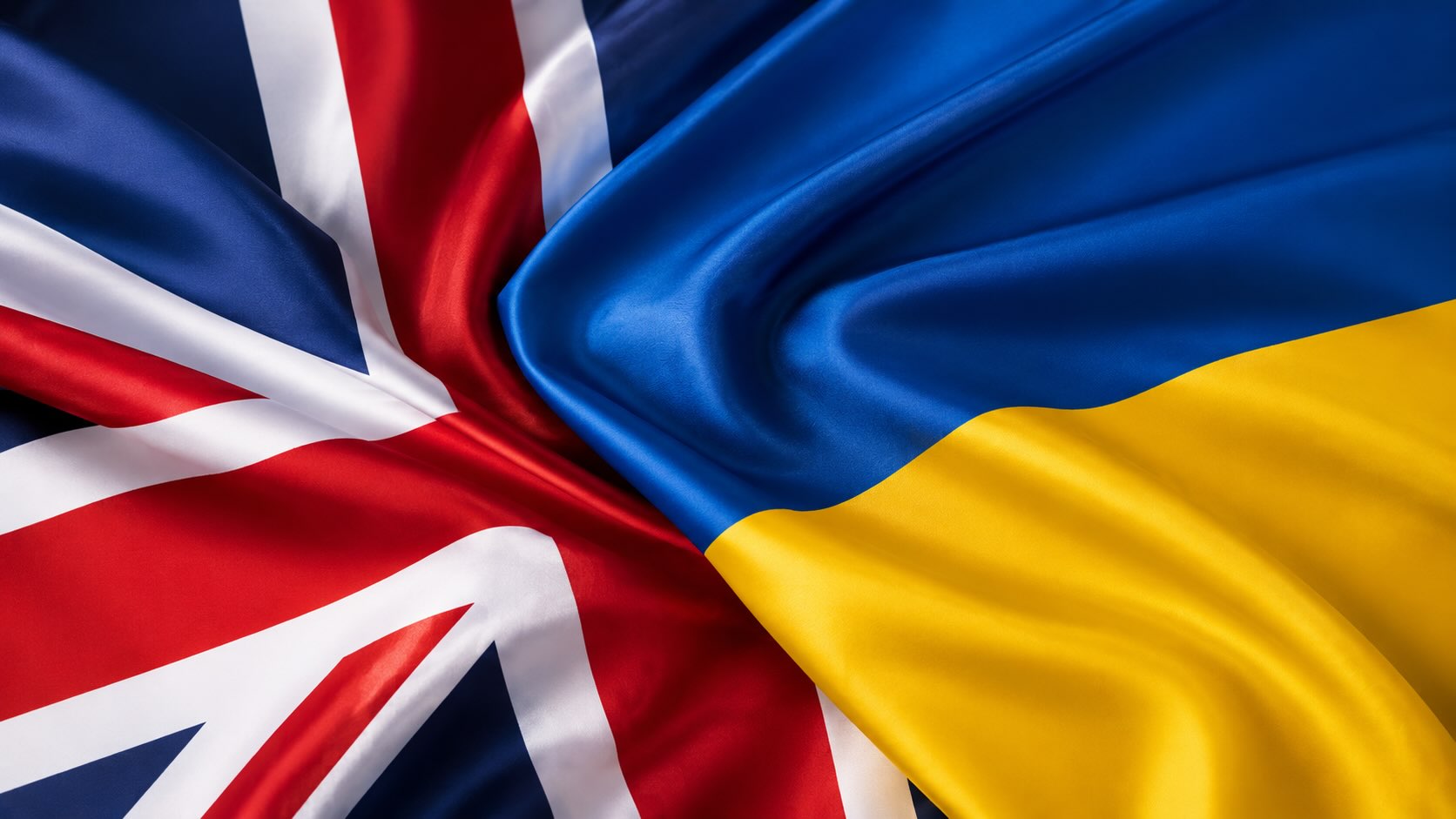
Britain is preparing to participate in the military portion of the EU’s EUR90bn Ukraine loan, potentially allowing Kyiv to place EU-financed orders with British defence companies. If finalised, the arrangement would reconnect UK manufacturers to a major EU-backed procurement channel after London failed to agree terms for participation in the separate EUR150bn SAFE programme.
The reported arrangement matters because it is not simply another Ukraine support mechanism. It is a post-Brexit defence-industrial test. The question is whether Britain can remain outside the EU while still gaining access to European-financed orders when Ukraine’s military requirements make UK capabilities useful.
Financial Times reporting said the UK is set to join the EUR60bn military component of the EU-backed Ukraine loan, while European Pravda also reported on the expected arrangement. The broader EU support architecture is linked to the bloc’s use of extraordinary revenue from immobilised Russian assets and lending mechanisms to sustain Ukraine’s defence and reconstruction, including EU work on Ukraine financing backed by immobilised Russian assets.
Since Brexit, the UK has remained a major European military power but outside the EU’s defence-funding structures. That separation became visible during negotiations over SAFE, the EU’s EUR150bn Security Action for Europe instrument, where London and Brussels failed to agree participation terms.
The Ukraine loan mechanism may provide a narrower route back. If Ukraine can use EU-financed money to buy British equipment, the UK gains access indirectly through Kyiv’s procurement choices rather than through full participation in an EU defence fund. The Commission describes SAFE as a lending instrument intended to support joint defence procurement and industrial ramp-up inside the European defence base.
That distinction matters politically. Brussels can say the money serves Ukraine’s urgent needs. London can say British industry is contributing to European security without accepting full EU programme rules.
The procurement mechanics are important. EU defence-financing schemes often restrict how much can be spent in non-participating countries. A 35 per cent cap on non-participating-country content limits the space available for suppliers outside the EU framework.
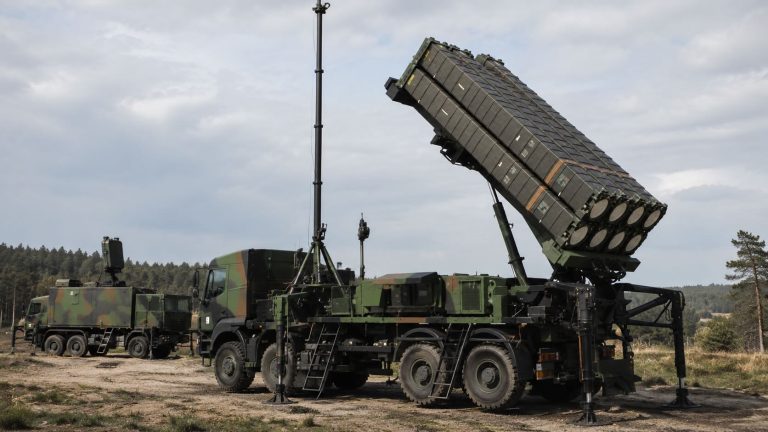
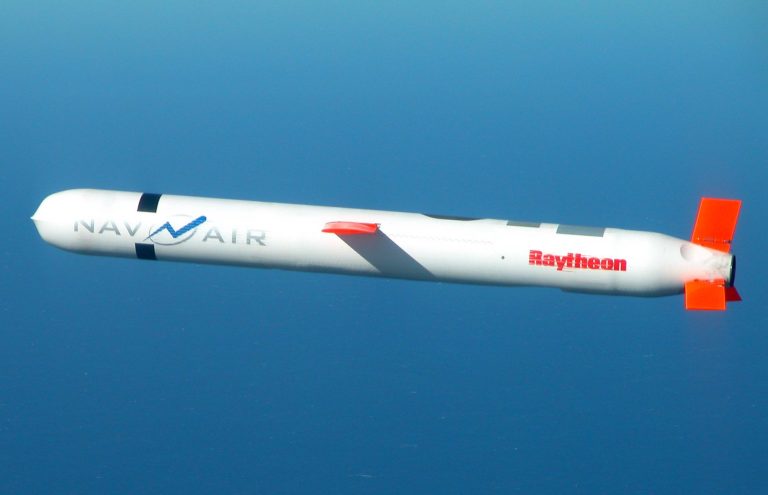
If the UK is treated more favourably under the Ukraine mechanism, British companies could compete for orders in areas where they have relevant capabilities: air defence components, missiles, armoured vehicles, electronic warfare, drones, maritime systems, training and maintenance.
Ukraine’s needs are broad, but not every British product will qualify or be available quickly. Production capacity, export controls, delivery schedules and integration with existing Ukrainian systems will determine the real value.
From Kyiv’s perspective, the issue is practical. Ukraine needs weapons, ammunition, spare parts and maintenance at scale. It cannot afford procurement rules that exclude useful suppliers if European alternatives are unavailable or slower.
That is why a mechanism allowing British participation could improve delivery. The UK has been one of Ukraine’s most active military supporters, especially in long-range strike, training, drones and naval capabilities.
Defence Matters has covered how NATO’s Ankara summit put procurement timelines and industrial capacity under pressure. The UK-EU arrangement fits the same pattern: the war is forcing Europe to find ways around institutional barriers when capability is needed urgently.
The deal would not resolve the wider UK-EU defence relationship. It would not make Britain a full participant in EU defence industrial policy. It would not settle future disputes over SAFE or other funding instruments.
But it would create a precedent: where Ukraine’s defence needs are urgent, Brussels and London can build a practical bridge.
That precedent could matter later. European defence is becoming more financialised, with loans, joint procurement and asset-backed funding mechanisms shaping where orders go. If Britain is excluded from those mechanisms, its defence industry may lose ground in European programmes. If it can access them selectively through Ukraine, the post-Brexit separation becomes less absolute.
The real test will be contracts. Political access means little unless Ukraine places orders, companies can deliver and Brussels accepts the procurement route.
If the arrangement works, it could strengthen Ukraine and reduce fragmentation in Europe’s defence supply base. If it becomes bogged down in eligibility rules, it will show how difficult post-Brexit defence cooperation remains.
For now, the direction is clear: Ukraine’s war is forcing the EU and UK to find procurement solutions that politics alone had failed to deliver.
Ukraine’s Gripen Contract Turns Swedish Air Power Into a Long-Term Capability Bet