Russia’s latest missile and drone attack across Ukraine has underlined the immediate danger created by Ukraine’s shortage of air-defence interceptors, even as Kyiv and Washington discuss licensed production of Patriot missiles.
Ukrainian authorities said Russia launched missiles and drones across the country on 11th July, killing eight people and wounding dozens. Reuters reported that Kyiv was under Russian missile attack as Ukraine awaited additional air-defence munitions.
The attack is not just another battlefield update. It is an operational test of the gap between future production capacity and current stocks. Licensed Patriot production may eventually improve Ukraine’s air-defence resilience. It cannot protect civilians today unless interceptors are already available.
Only days earlier, Ukrainian and US officials had discussed political agreement on Patriot production licences. Defence Matters reported that Ukraine’s Patriot production deal cannot close its immediate missile-defence gap. The 11 July attack demonstrates why that distinction matters.
Russia is not waiting for Western production lines to expand. Its missile campaign is designed to exhaust Ukraine’s defences, force hard allocation choices and keep pressure on cities, energy facilities and military logistics.
Patriot interceptors are among the few systems able to counter some Russian ballistic missiles. They are also expensive, scarce and slow to manufacture. Ukraine must therefore decide which targets receive protection and when to use high-end interceptors against mixed attacks.
Russian strike packages often combine drones, cruise missiles and ballistic missiles. The purpose is not only to hit targets, but to complicate Ukrainian air-defence decisions. Cheap drones can force radar activation and interceptor use, while ballistic missiles require the most capable systems.
The distinction between production licensing and immediate delivery is crucial. A licence creates a path to future supply. It does not create factories, components, trained workers or certified output overnight.
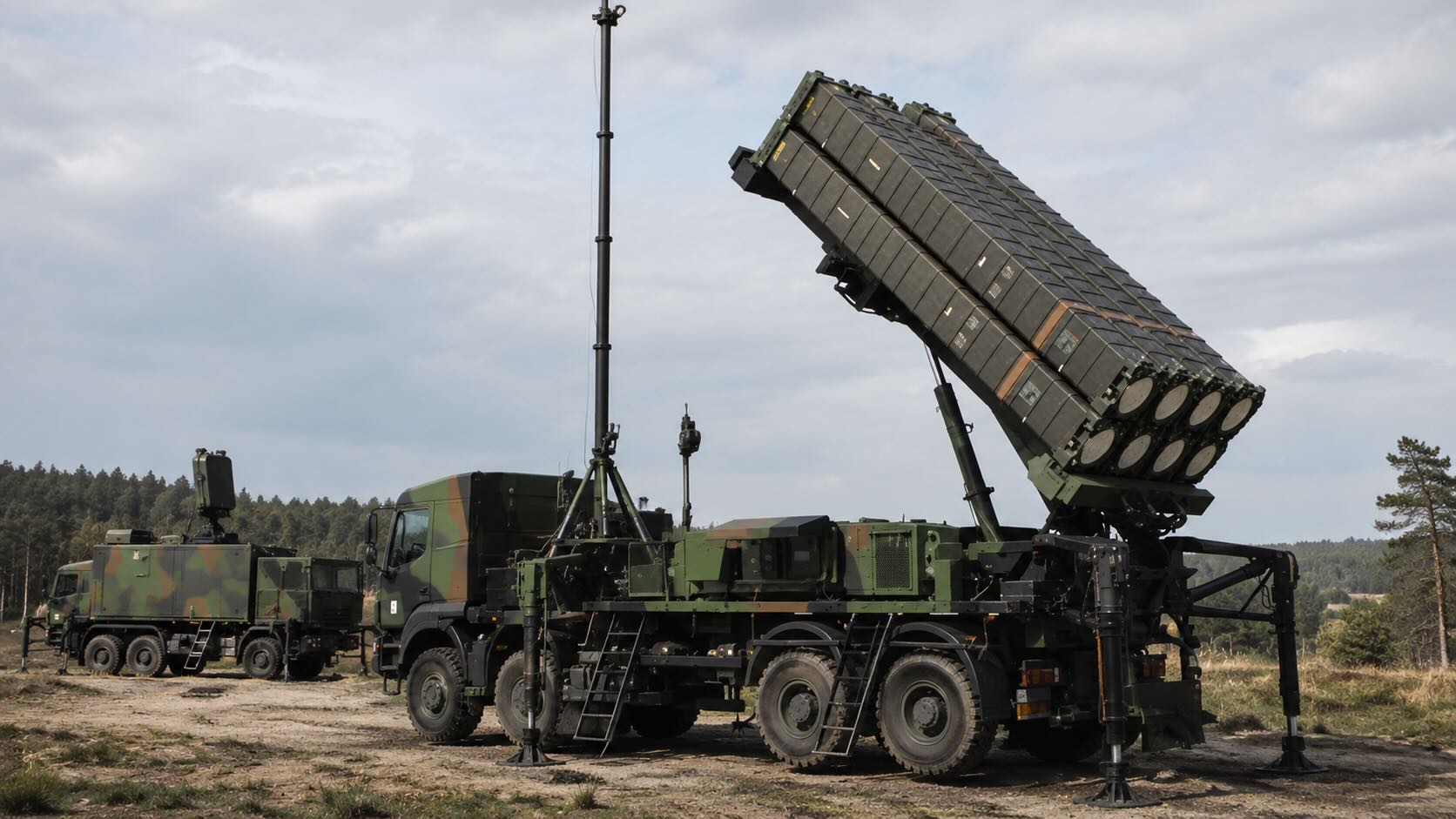
For Ukraine, the near-term solution remains additional interceptors from existing stocks, accelerated allied production and broader layered air defence using systems such as Patriot, SAMP/T, IRIS-T, NASAMS and mobile counter-drone units.
Long-term production is essential, but the war is being fought on a shorter timetable.
The human cost is the reason the production debate matters. Each delay affects civilian protection. Kyiv, regional cities, energy infrastructure and transport nodes all compete for coverage.
Ukraine’s partners should therefore treat licensed production as one pillar, not the whole answer. Stockpile transfers, maintenance support, radar integration and European interceptor production all remain urgent.
The latest strike does not change the strategic logic of licensed production. It confirms it. Ukraine needs a sustainable supply model because Russian attacks will continue.
But it also shows that the transition period is dangerous. Until new production produces actual missiles, Ukraine’s air-defence gap remains measured in lives, not only in procurement charts.