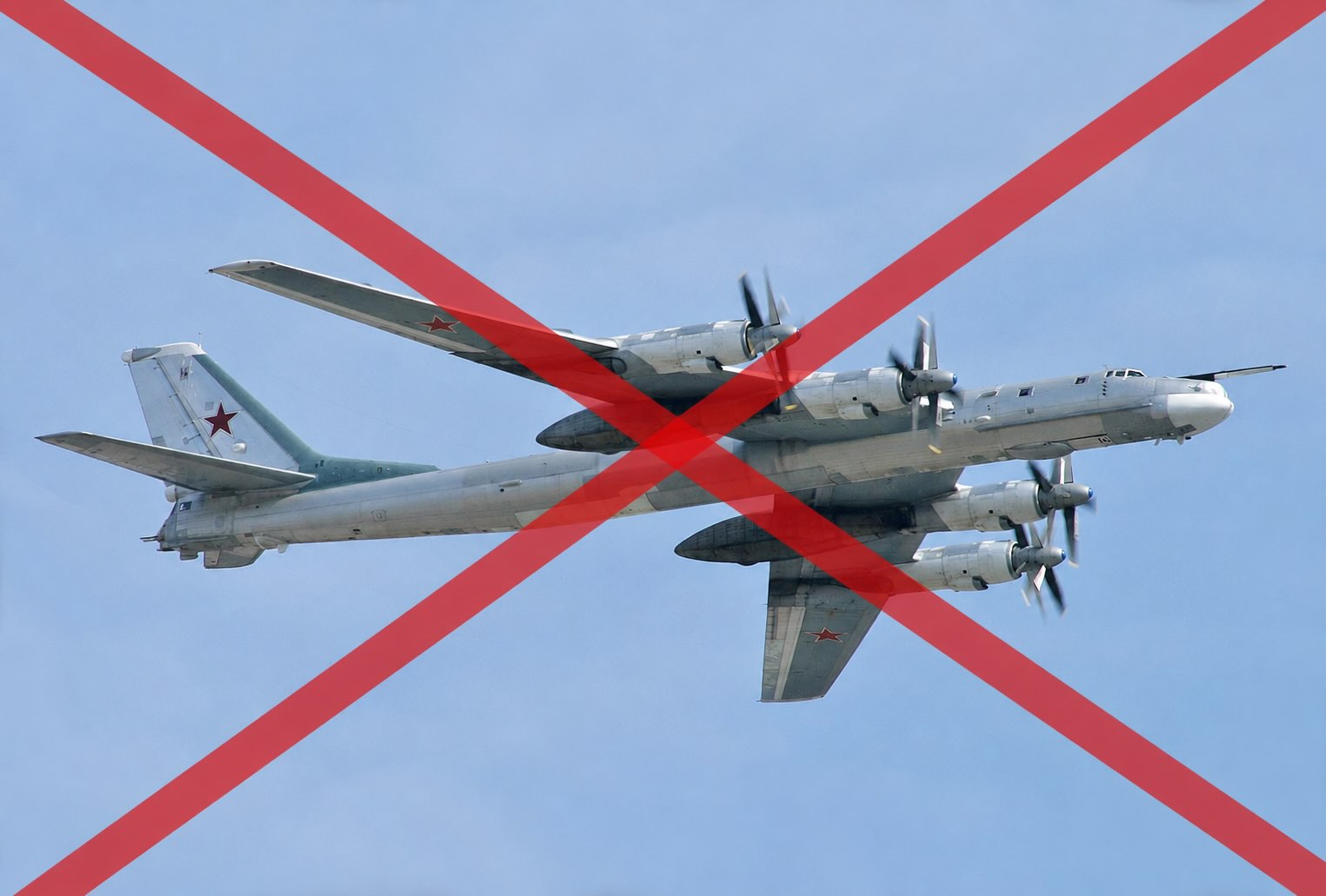
Ukraine has claimed the destruction of a Russian Tu-95 strategic bomber during a long-range drone attack on the Engels military airbase in Russia’s Saratov region.
President Volodymyr Zelenskyy announced the result of the operation on Friday, 17 July, saying the aircraft had been used to conduct missile attacks against Ukraine.
“I am grateful to our warriors for their precision,” Zelenskyy said. “Once again, there have been successful applications of long-range sanctions against Russia.”
According to the president, the operation was conducted by the Security Service of Ukraine, or SBU. He placed the airbase about 800 kilometres from Ukraine’s state border.
The SBU subsequently said its long-range drones had reached Engels and inflicted critical damage on the aircraft, including the complete destruction of its tail section. The service described the Tu-95 as a missile carrier regularly employed in Russian attacks on Ukraine.
Neither the precise version of the aircraft nor its individual identification number was immediately disclosed. Satellite images independently confirming the reported destruction were not publicly available at the time of publication.
Russian authorities had earlier acknowledged a drone attack on the Saratov region during the night of 15–16 July. Regional governor Roman Busargin warned residents about the threat, while videos recorded around Engels appeared to show air-defence activity and explosions. Other footage was geolocated to a fire in the area of the military installation, although the scale of the damage was initially unclear.
Engels-2 is one of the principal operating bases of Russia’s Long-Range Aviation. Tu-95MS and Tu-160 aircraft stationed or deployed there have been used to launch cruise missiles against Ukrainian cities and infrastructure.
The Tu-95MS is a turboprop strategic bomber capable of carrying conventional or nuclear-armed cruise missiles. Modernised aircraft can deploy the Kh-101, an air-launched cruise missile with an estimated range of several thousand kilometres. The Kh-101’s known launch platforms include the Tu-95MS and Tu-160.
The Tu-95 also forms part of the airborne component of Russia’s nuclear forces, although aircraft employed against Ukraine have carried conventionally armed missiles.
If confirmed, the destruction would further reduce a bomber fleet that Russia cannot easily replenish. Serial production of the Tu-95MS ran from 1984 until 1991 at the aviation plant in Kuybyshev, now Samara.
Russia can overhaul and modernise surviving aircraft, but it does not have an active production line for new Tu-95 airframes. Severe structural damage could therefore place an aircraft permanently beyond operational use, depending on the availability of spare components and the condition of the airframe.
This makes the operational importance of each destroyed Tu-95 greater than its immediate financial value. Any reduction in the number of serviceable bombers can affect the number of cruise missiles Russia is able to launch simultaneously.
One aircraft loss would not, however, remove Russia’s capacity to conduct large-scale missile attacks. Moscow can also launch long-range weapons from Tu-160 and Tu-22M3 bombers, naval vessels, submarines and ground-based systems. The reported strike therefore represents an incremental reduction in Russian capability rather than a decisive change in the air war.
It follows the SBU’s Operation Spiderweb in June 2025, when Ukrainian drones attacked several Russian airbases across multiple regions. Satellite images later confirmed damage to strategic aircraft, although Ukrainian, Russian and external assessments differed over the number destroyed.
Many of the aircraft struck during that operation were Soviet-built models that are no longer in production. Russia subsequently dispersed parts of its strategic aviation fleet to more distant bases. Such dispersal complicates Ukrainian targeting, but it also increases flying distances, maintenance requirements and pressure on ageing aircraft.
Engels itself has been attacked repeatedly since 2022. A major Ukrainian strike in March 2025 triggered explosions and secondary detonations, prompting the evacuation of residents from nearby areas.
The latest operation forms part of Ukraine’s wider campaign against Russian military aviation, oil refineries, fuel depots and defence-industrial facilities. Kyiv maintains that these targets directly support Russian military operations and missile attacks against Ukrainian territory.
Zelenskyy said Ukrainian forces had also struck Russian oil-sector facilities and targets in Russian-occupied Ukrainian territory, without identifying all the sites involved.
The reported destruction of the Tu-95 demonstrates Ukraine’s continued ability to reach defended military installations far inside Russia. It also presents Moscow with a persistent problem: strategic aircraft must remain close enough to weapons, fuel and maintenance infrastructure to operate, while being dispersed sufficiently widely to reduce their exposure to Ukrainian drones.
Independent confirmation of the bomber’s destruction will depend on satellite imagery or other verifiable visual evidence. Russia had not publicly acknowledged the loss of a Tu-95 at Engels at the time of publication.