The reported destruction of a Tu-95MS bomber at Engels-2 is a visible aircraft loss. The deeper problem for Russia is less visible: a long war places mechanical pressure on an ageing bomber fleet that was never designed for years of repeated missile-launch operations against a neighbouring state. Aircraft can be lost to drones, but they can also be worn down by engines, airframes, avionics and maintenance systems that cannot keep pace with use.
Satellite imagery from Engels-2 appears to show catastrophic damage to a Tu-95MS, including the loss of its tail section, according to UNITED24 Media and Ukrainska Pravda. That aircraft may now serve only as a source of spare parts. The cannibalisation point matters because Russia’s strategic aviation fleet is old, specialised and difficult to regenerate.
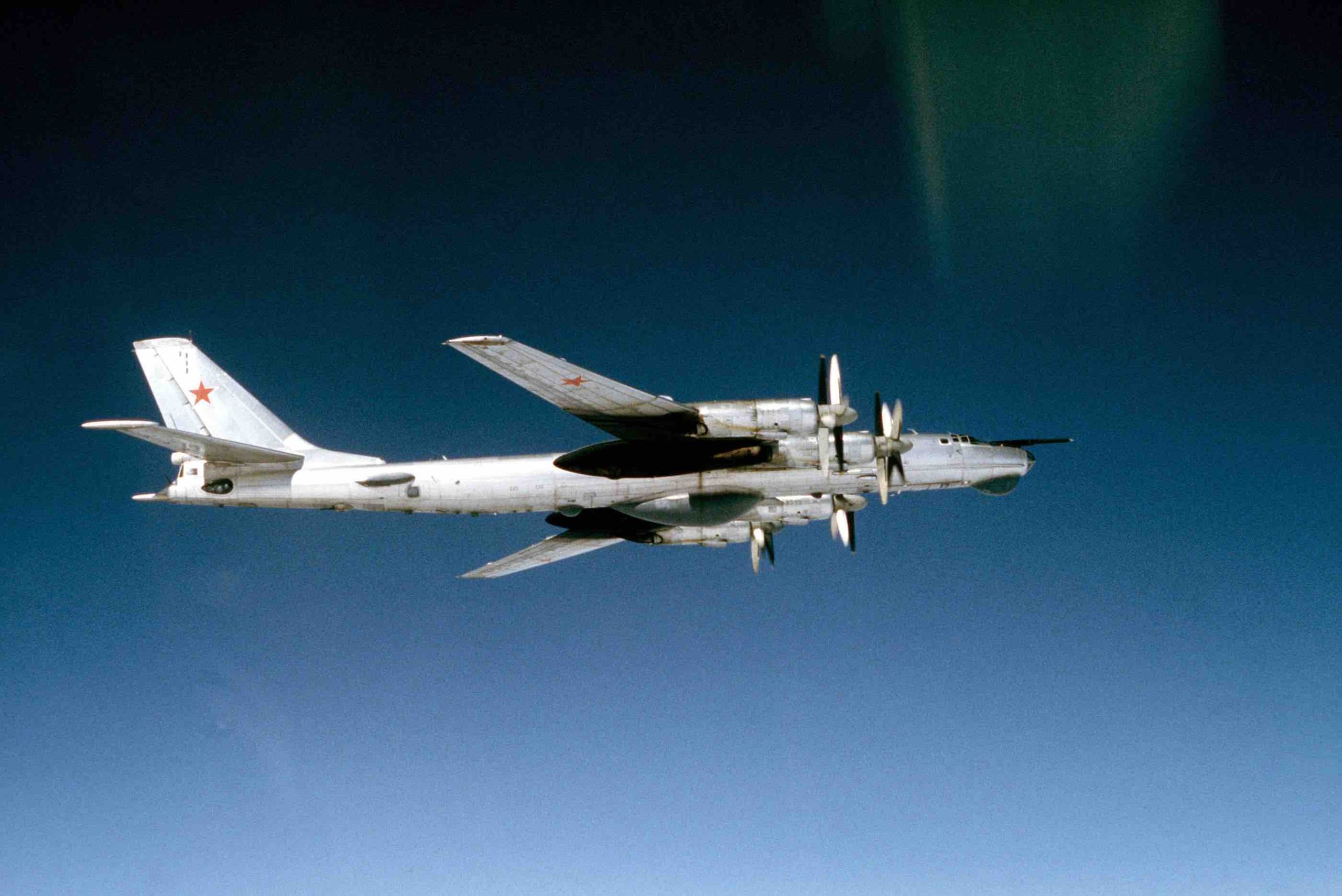
Tu-95MS bombers are Cold War-derived aircraft adapted for modern cruise-missile missions. Tu-22M3 bombers are also ageing and have suffered combat and accident losses. Russia has modernisation programmes, but modernisation is not the same as rapid new production. Heavy bombers require specialised tooling, engines, trained crews, avionics integration, weapons interfaces and depot-level maintenance. They cannot be replaced like trucks or small drones.
Combat use accelerates the problem. Every sortie consumes engine life, stresses structures, requires inspections and generates faults. Long-range cruise-missile missions may not involve flying over defended Ukrainian airspace, but they still demand preparation, weapons loading, navigation, communications and post-flight maintenance. When the same aircraft are used repeatedly, serviceability becomes as important as nominal fleet size.
Russia can mask attrition for a time. It can rotate aircraft, extend maintenance intervals, recover components from damaged airframes and prioritise the most mission-capable bombers. It can also launch missiles from different aircraft types, including Tu-160s and naval or ground-based systems. But these choices do not remove the maintenance burden. They distribute it.
The reported Engels loss therefore matters beyond the airframe. A destroyed bomber may reduce available launch capacity, but it also removes a platform that could have shared the fleet’s workload. If usable parts are recovered, they may keep another aircraft flying. That is useful in the short term, but cannibalisation is usually a symptom of scarcity, not abundance.
Earlier analysis of Russia’s air-defence allocation problem noted that Ukraine’s deep strikes force Moscow to protect refineries, airfields, command sites and strategic bases simultaneously. Bomber maintenance adds a second pressure point. Russia must not only defend aircraft on the ground; it must keep them airworthy under sanctions and wartime tempo.
Sanctions complicate avionics and electronics support. Russia has domestic aerospace capacity, but strategic aircraft contain specialised systems developed across long production cycles. Replacing components with substitutes can require testing and certification. Even when Russia obtains foreign-origin parts through third countries, supply chains are slower and less predictable than before the war.
Maintenance shortages can change operational behaviour. Commanders may concentrate sorties among the healthiest aircraft, increasing wear on those airframes. They may preserve some platforms as reserves, reducing available launch mass. They may accept higher technical risk. They may move aircraft more often to avoid strikes, which itself creates more flight hours, logistical work and maintenance demand.
Ukraine’s objective is likely to combine direct and indirect attrition. Direct attrition destroys aircraft, fuel systems, ammunition storage or support vehicles. Indirect attrition forces dispersal, reduces sortie efficiency, increases maintenance load and compels Russia to spend air-defence resources on base protection. The Engels imagery is a direct loss; the operational adjustments after Engels may be the larger effect.
Russia can still launch large missile attacks. Recent barrages against Kyiv and other Ukrainian cities show that its long-range strike system remains dangerous. But capacity should not be measured only by the number of missiles fired in one night. It should also be measured by how much strain those attacks place on launch platforms, missile inventories, crews and maintenance cycles.
The bomber fleet’s vulnerability is therefore cumulative. One destroyed Tu-95MS is not decisive. One destroyed bomber, repeated drone alarms, ageing airframes, sanctions pressure, depot bottlenecks and high sortie rates together form a war of mechanical attrition. Ukraine does not need to destroy the entire fleet to reduce its effectiveness. It needs to make every launch cycle harder, slower and more expensive.