The Council said on 13th July at 12:35 that the European Peace Facility measure will finance a mid-range air-defence system for Moldova. The Council said the new action brings overall EU support to Moldova under the EPF to EUR317 million and complements earlier assistance for air surveillance and air defence.
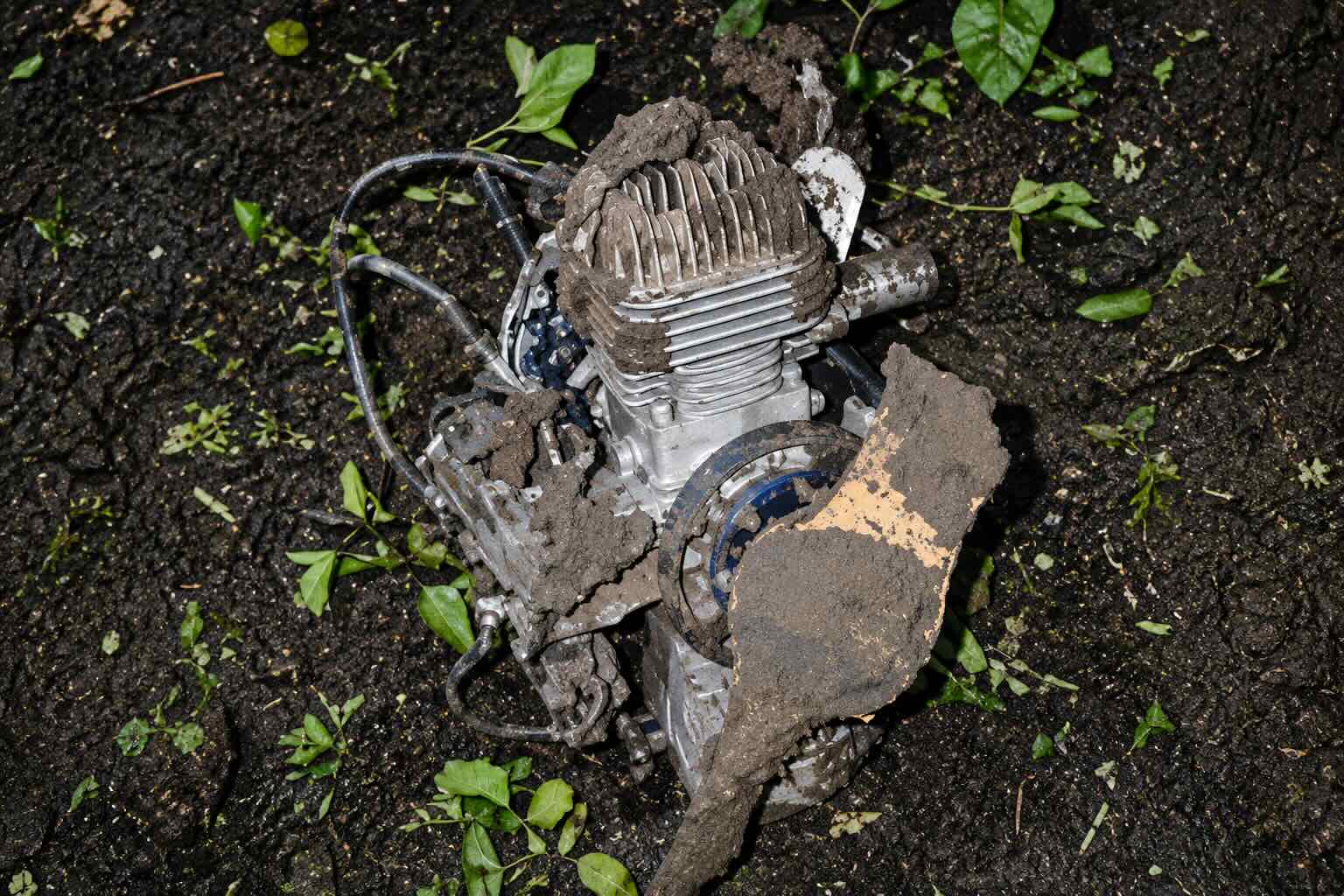
The timing matters. AP reported that Moldova protested after a drone linked to Russia’s attacks on Ukraine crashed and exploded on its territory. Moldova is not a NATO member, remains constitutionally neutral and has limited resources for detecting, tracking and intercepting drones or missiles that cross its borders.
The problem is recurring spillover. Russian strikes on Ukraine’s Danube ports and southern regions have repeatedly placed drones and debris near or inside neighbouring states. For Moldova, each incident is both a public-safety risk and a sovereignty test. Even when a drone is not deliberately aimed at Moldova, the physical effect is the same: airspace is violated, civilians are exposed and authorities must respond with limited tools.
A mid-range air-defence system could improve Moldova’s ability to protect critical sites and population centres, but the details will matter. Air defence is not a single purchase. It requires radars, command-and-control systems, trained crews, communications, maintenance and interceptors. If the EPF package covers only one layer, Moldova will still need sensors and integration to make it useful.
The procurement also raises a strategic question for Europe. Moldova sits between Ukraine and Romania, close to the Black Sea and near the Russian-backed breakaway region of Transnistria. It is vulnerable to drone spillover, disinformation, energy pressure and political destabilisation. Strengthening its air defence is therefore not only a military measure; it is part of protecting a fragile EU candidate state from the indirect effects of Russia’s war.
For Chisinau, the challenge is capacity. Moldova’s armed forces are small, budgets are limited and air-defence expertise takes time to build. A system delivered without training and sustainment would provide only symbolic reassurance. A system delivered with crews, sensors and long-term support could change the risk calculation for future drone incidents.
The measure also shows how the European Peace Facility is expanding beyond Ukraine. The EU is using defence assistance to reinforce states exposed to Russian pressure even if they are outside NATO. That may become increasingly important as drone and missile threats ignore political borders.
Moldova cannot build a full air-defence shield alone. But the EUR120 million package could give it a first serious mid-range layer and a pathway to further integration with European surveillance and warning networks. The drone incident shows why that is no longer an abstract requirement.
Moldova Drone Incident Highlights Air-Defence Gap on Ukraine’s Border