The move, outlined in a revised military programming law, reflects a rapidly shifting security environment in Europe and beyond—one that French officials increasingly describe as more volatile, unpredictable, and structurally dangerous than at any time since the Cold War.
At the heart of the proposal lies a dual ambition: to strengthen conventional military capabilities while simultaneously reinforcing France’s nuclear deterrent. The combined approach signals a strategic recalibration in Paris, driven by mounting geopolitical pressures ranging from Russia’s war in Ukraine to instability in the Middle East, and lingering doubts about the long-term reliability of the United States as Europe’s primary security guarantor.
Under the revised framework, France’s defence spending is set to rise to 2.5% of GDP by 2030, up from roughly 2% today. Annual military expenditure would reach €76.3 billion—almost double the level recorded in 2017. This dramatic increase underscores how deeply French strategic thinking has shifted in recent years, with policymakers concluding that the era of relatively low defence spending is definitively over.
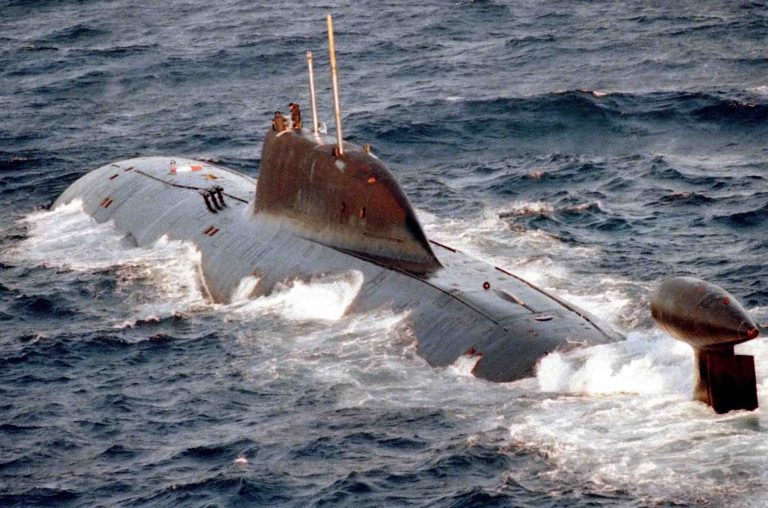
A central pillar of the plan is the expansion of France’s nuclear arsenal, marking the first such move in decades. France currently maintains approximately 290 nuclear warheads, making it the world’s fourth-largest nuclear power. These weapons, deployed via submarine- and air-based systems, already consume around €5.6 billion annually—roughly 13% of the defence budget.
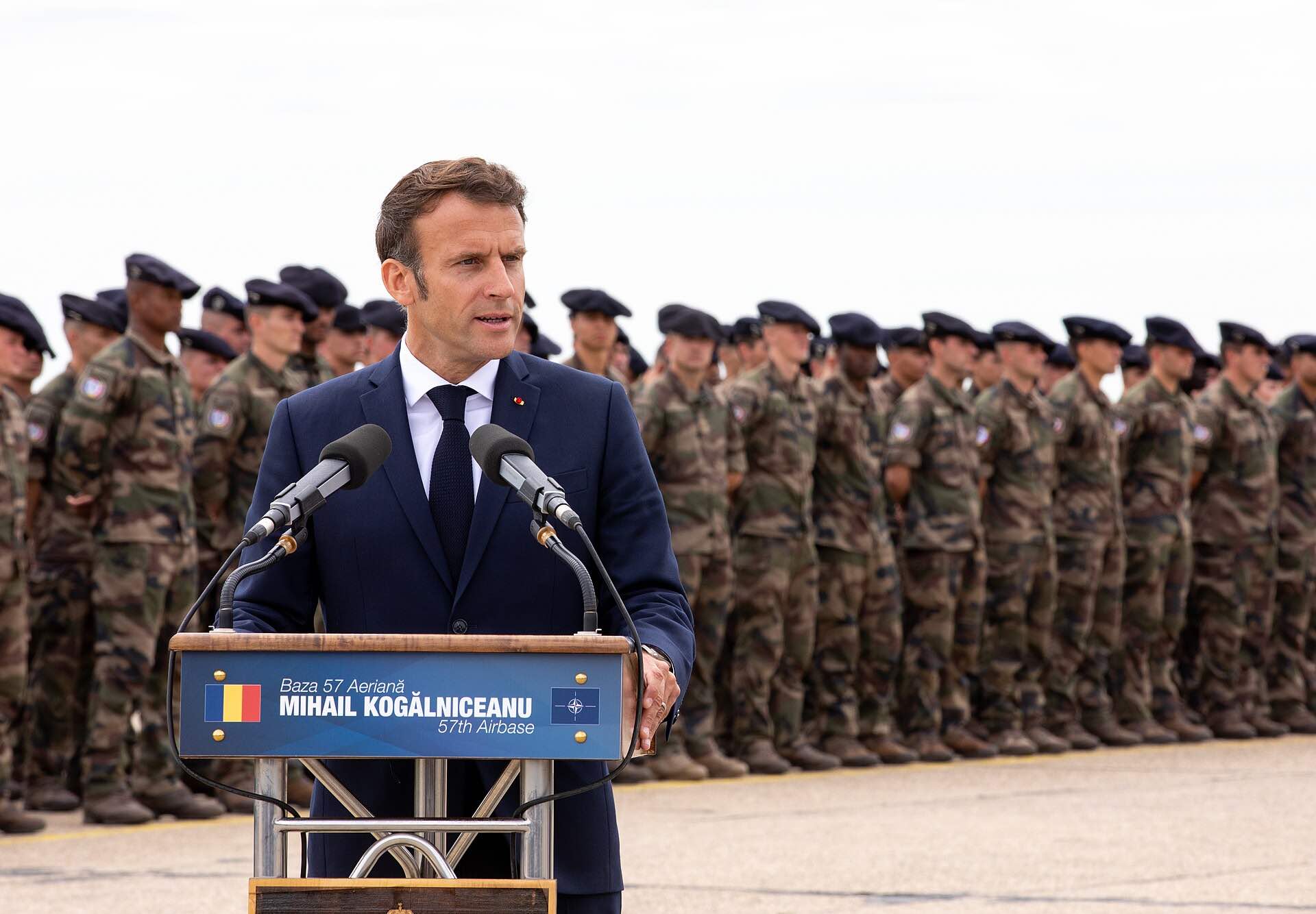
While the government has not disclosed precise figures for the planned increase, the intention is clear: to enhance the credibility and flexibility of France’s deterrent at a time when nuclear risks are once again part of mainstream strategic calculations. This shift aligns with President Emmanuel Macron’s broader push to position France as the cornerstone of European security, particularly as the European Union’s only nuclear power following Brexit.
The nuclear dimension is not purely national in scope. Paris has increasingly floated the idea of extending aspects of its deterrence to European partners, including the possibility of deploying nuclear-capable aircraft on allied territory or involving other countries in deterrence exercises. Such proposals remain politically sensitive and operationally complex, but they highlight a growing appetite for deeper European defence integration.
At the same time, the French strategy does not abandon NATO. Officials in Paris are careful to frame their plans as complementary to the alliance rather than a substitute for it. Nonetheless, the emphasis on “strategic autonomy” reflects a quiet but significant shift: Europe, and France in particular, is preparing for a future in which it may need to shoulder a greater share of its own defence burden.
Beyond nuclear forces, the spending boost will also target critical gaps in conventional capabilities—many of which have been exposed by recent conflicts. The war in Ukraine, in particular, has highlighted shortages in artillery shells, air defence systems, and long-range strike capabilities across European militaries.
To address these deficiencies, France plans to allocate €8.5 billion to replenish munitions stockpiles, including artillery and missile systems. Additional funding will go toward strengthening air and missile defence, with €1.6 billion earmarked for systems such as the SAMP/T NG, developed in cooperation with Italy.
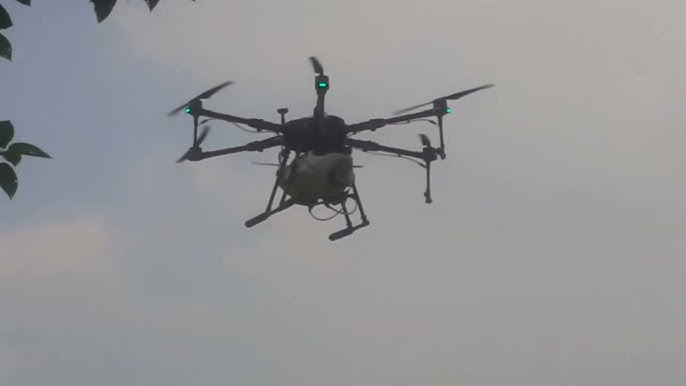
Another €2 billion will be invested in drones and robotic technologies, reflecting the growing importance of unmanned systems on modern battlefields. This includes ambitions to replace U.S.-made Reaper drones with domestically or European-produced alternatives by 2035, as well as the development of advanced naval and underwater robotic capabilities.
France is also exploring the creation of new strategic capabilities, including a conventional ballistic missile with a range of up to 2,500 kilometres. Such a system would significantly enhance Europe’s ability to conduct deep strikes—an area where it currently lags behind competitors like Russia.
Equally notable is the plan to develop a European missile early-warning system by 2035, incorporating both ground-based radar and space-based infrared detection. This initiative reflects a broader effort to reduce reliance on U.S. intelligence and surveillance assets, further reinforcing the theme of strategic autonomy.
Yet the ambitious spending programme comes with significant challenges. France already faces one of the largest budget deficits in the eurozone, and the government has committed to bringing it back within EU limits by 2029. Balancing fiscal discipline with expanded defence commitments will require difficult political choices in the years ahead.
There are also strategic questions. Some European partners remain uncertain about the extent to which France’s nuclear umbrella could realistically protect the entire continent, given the relatively limited size of its arsenal compared to those of the United States or Russia. Others worry that an increased focus on nuclear capabilities could divert resources from urgently needed conventional forces.
Critics, including arms control advocates, warn that expanding nuclear arsenals risks fuelling a new arms race and undermining non-proliferation efforts. Russia has already described France’s plans as destabilising, highlighting the broader geopolitical implications of the shift.
Despite these concerns, the direction of travel is unmistakable. France is positioning itself not only as a military power in its own right, but as a central pillar of European defence in an increasingly uncertain world. The €36 billion boost is less a temporary adjustment than a long-term strategic statement: that in an era of renewed great-power competition, deterrence—both nuclear and conventional—has returned to the forefront of European security thinking.
Main Image: Spc. Thurnapuf Valle