Intensified Russian attacks are putting renewed military pressure on Ukraine’s Black Sea export corridor, threatening grain shipments and testing the air-defence, port-security and insurance arrangements that have kept Ukrainian maritime trade moving.
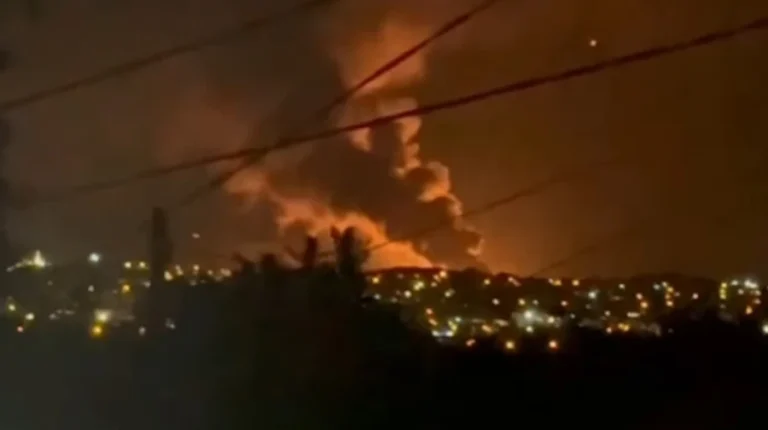
The Financial Times reported that recent drone and missile strikes have hit commercial vessels and port infrastructure, prompting concern among traders and shipowners. Fastmarkets separately reported that Russian attacks on Ukrainian port infrastructure had disrupted grain trading and led some shipowners to avoid calls at Ukrainian terminals.
The operational logic is clear. Russia does not need to announce a formal blockade to make exports more difficult. Repeated attacks on storage, berths, power supply, vessels or nearby urban infrastructure can increase delays, raise freight rates, reduce available shipping and push insurers to reassess war-risk cover.
Ukraine’s Black Sea exports are strategically important because they support the state budget, farmers, logistics companies and global food markets. Grain shipments also carry political weight: disruption affects import-dependent countries beyond Europe, allowing Moscow to create pressure without changing the front line.
The current campaign reverses the direction of recent maritime pressure. Defence Matters has recently covered Ukraine’s strikes on Russian vessels in the Sea of Azov and the wider effort to isolate Russian-occupied Crimea. The new concern is Russia’s ability to impose its own costs on Ukrainian commercial exports.
Ports around Odesa remain central. They connect Ukrainian agriculture to global buyers and provide capacity that cannot be fully replaced by rail, road or Danube routes. Alternative routes through Romania and the Danube can reduce dependence on Black Sea terminals, but they are not frictionless substitutes. They can be slower, more expensive and constrained by border, river and port capacity.
Air defence is therefore part of trade policy. Every additional system protecting port infrastructure reduces the risk premium attached to Ukraine’s export corridor. Conversely, shortages of interceptors or radar coverage can have economic effects far from the battlefield if shipowners and insurers conclude that port calls are too risky.
Russia’s target selection also creates ambiguity. A strike on a port can be framed as an attack on military logistics, but the consequences are often commercial. Damage to storage, loading equipment or nearby energy systems can slow civilian exports even when ships are not directly hit.
For Ukraine, the response will require layered measures: air defence for key port zones, rapid repair capacity, dispersal of storage, improved warning procedures for vessels and continued diplomacy with insurers and trading partners. Maritime security is no longer separate from economic resilience.
For Europe, the issue is food security and sanctions enforcement as much as military support. If Russian attacks sharply reduce Ukraine’s export capacity, Kyiv’s budgetary needs rise and global grain markets tighten. The Black Sea corridor is therefore a strategic economic line, not merely a shipping route.