

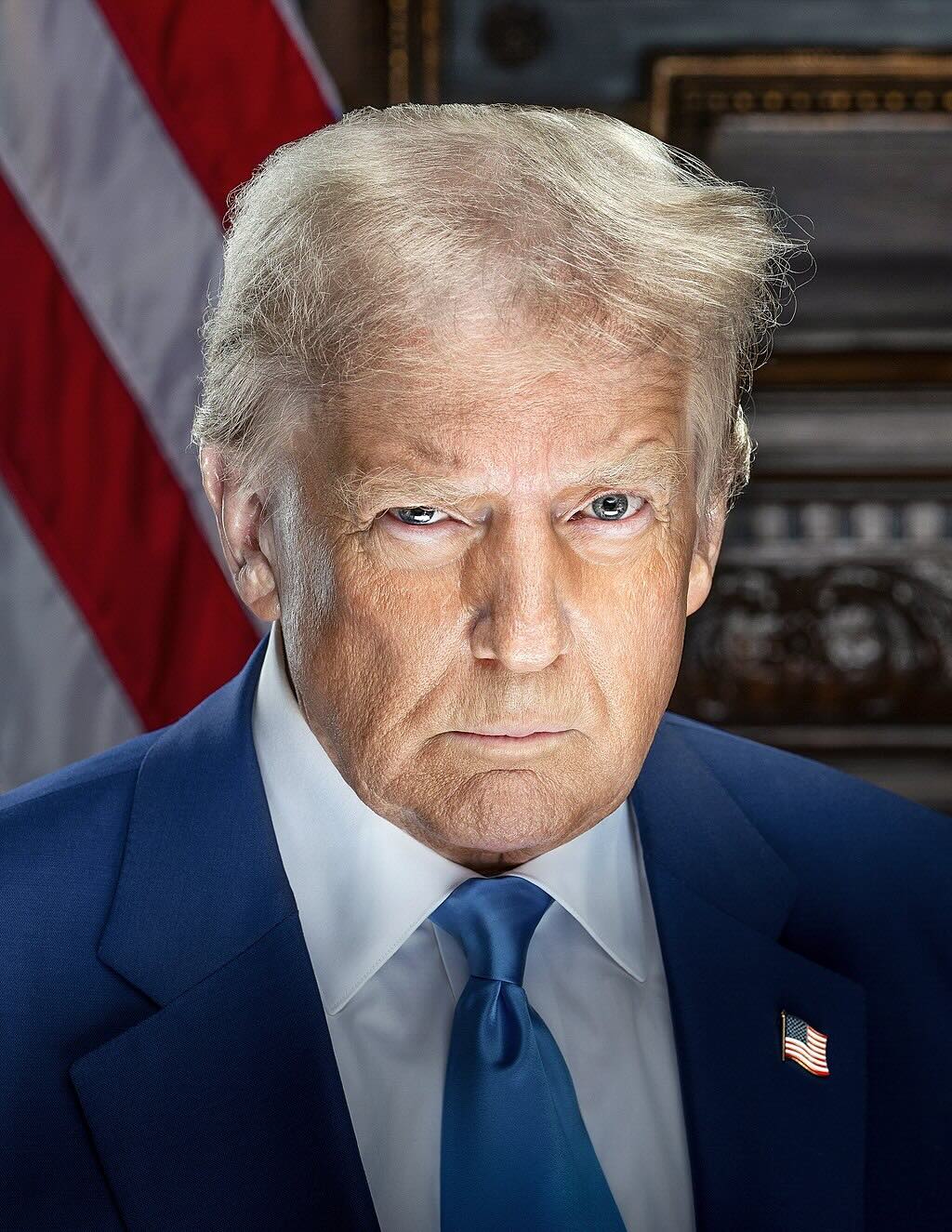
US President Donald Trump said on Wednesday that he was “absolutely” considering withdrawing the United States from NATO, opening a new front in Washington’s dispute with European allies and sharpening concern over the stability of the alliance at a time of war in Ukraine and wider regional crisis.
Trump told Reuters that he would address the issue in a national speech later in the day and said he was angered by the refusal of European NATO members to send ships to help unblock the Strait of Hormuz. Reuters reported that he described NATO as a “paper tiger” in comments published earlier by the Daily Telegraph and linked his frustration directly to the lack of allied support for US military action against Iran.
The remarks came less than a day after US Defence Secretary Pete Hegseth declined to restate Washington’s commitment to NATO’s collective-defence clause, saying that decision would be left to the president. That matters because Article 5 is the core political and military guarantee on which the alliance is built: an attack on one ally is to be treated as an attack on all. NATO’s own official language describes collective defence as its most fundamental principle.
Hegseth refuses to reaffirm Article 5 as Iran-war dispute exposes NATO fault line
European governments moved quickly to contain the fallout. France said NATO exists to protect the security of the Euro-Atlantic area and is not designed to conduct offensive operations in the Strait of Hormuz. Poland’s defence minister called for calm, while a German government spokesperson said Berlin remained committed to the alliance. British Prime Minister Keir Starmer, responding to the latest comments, said he would act in the national interest.
For Defence Matters readers, the significance is not confined to rhetoric. A US president openly weighing withdrawal from NATO, combined with a Pentagon refusal to reaffirm Article 5, affects deterrence even if no formal legal step follows immediately. Any doubt about American commitment is watched closely in Moscow and matters directly to military planning, burden-sharing and readiness across Europe. Reuters noted that experts have long warned that suggestions Washington might not honour NATO obligations could encourage Russia to test allied resolve.
The backdrop is a broader deterioration in transatlantic relations during Trump’s second term. Tensions have already been running over trade, Greenland and the administration’s handling of the Ukraine war. The Iran conflict has now widened that strain into the military sphere, with France and Italy resisting some US-linked military movements and Spain publicly saying it had closed its airspace to US planes involved in attacks on Iran.
The timing is awkward for the alliance because NATO only last week highlighted a substantial increase in European and Canadian defence spending. In his annual report, Secretary General Mark Rutte said those allies increased defence spending by 20 per cent in 2025 in real terms. That rise was meant to demonstrate a more capable and more balanced alliance. Instead, Wednesday’s developments risk shifting the focus back to the more basic question of whether Washington still regards NATO as a binding security commitment.
NATO says European allies and Canada sharply increased defence spending in 2025
The immediate policy question for European governments is whether this is another pressure tactic or the start of a more serious redefinition of the US role in NATO. Either way, the operational consequence is similar: European allies are likely to accelerate work on force readiness, command continuity and the assumption that the credibility of deterrence can no longer rest on political habit alone.



Paris Bomb Plot Foiled as Banks Shift to Remote Work Amid Security Fears