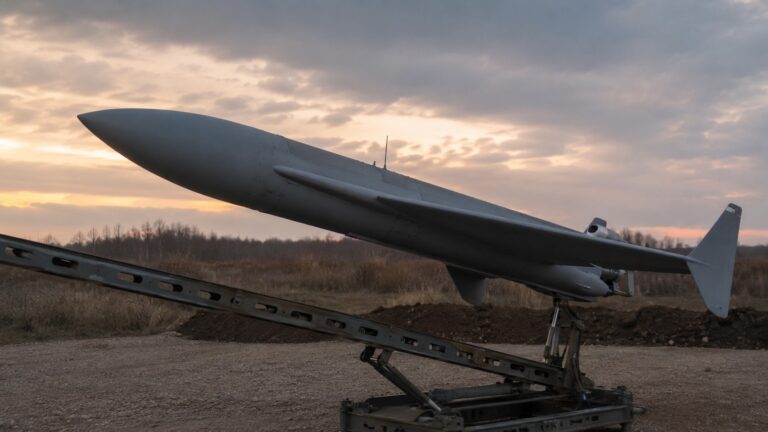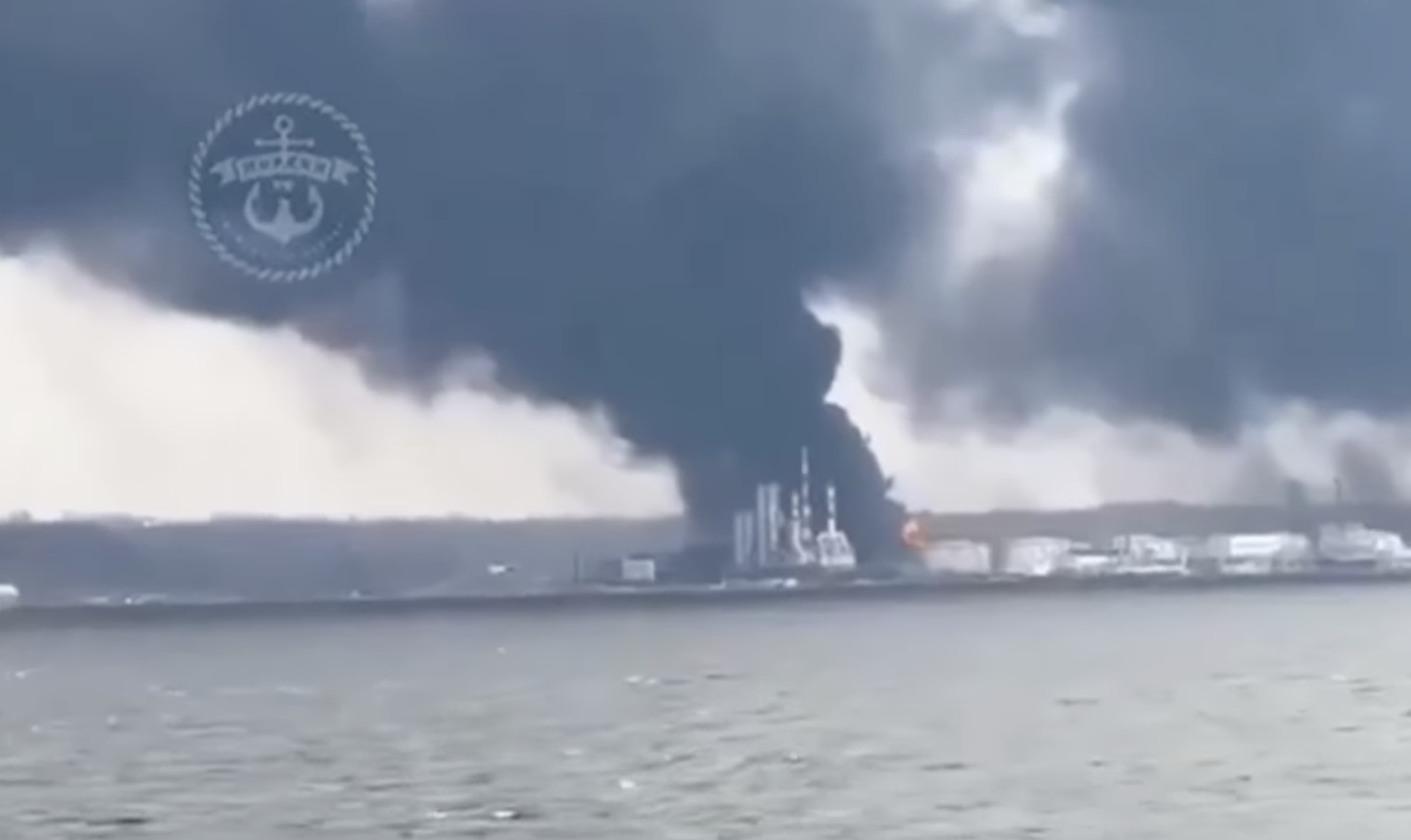
Reuters reported on 25 and 26 March that loadings at both Ust-Luga and nearby Primorsk were halted after the attacks, with the combined disruption affecting a large share of Russia’s seaborne oil export capacity.
The latest reporting suggests the significance of the strike lies not simply in fire damage at a single terminal, but in the interruption of a wider logistics chain. Ust-Luga attack damaged a rail unloading rack, stopping rail cargo discharges from four major Russian refineries: Kirishi, Yaroslavl, Moscow and Ryazan. Together, those plants process about 55 million metric tonnes of crude annually. If the terminal remains constrained, some of those refineries may have to reduce runs or temporarily halt production, particularly because fuel oil has fewer alternative outlets than products such as gasoline or diesel.
That makes Ust-Luga more than a port story. It is a pressure point in Russia’s export and refining system. Ust-Luga exported around 32.9 million metric tonnes of oil products last year, while Primorsk handled 16.8 million tonnes and remains a key outlet for Urals crude. At least 40 per cent of Russia’s oil export capacity has been brought to a halt following the Baltic attacks, a disputed pipeline incident and the seizure of tankers. Even allowing for partial recovery and some rerouting, the disruption is substantial.
Ukrainian and Russian accounts differ sharply on the extent of the physical destruction. Ukraine’s General Staff said the Novatek-Ust-Luga plant was hit in a joint operation. Reuters, citing sources, confirmed heavy disruption and persistent fire, but did not independently verify the more detailed claims circulating on Ukrainian and Russian Telegram channels about the destruction of multiple storage tanks, piers, processing units and tankers. Those claims remain difficult to confirm in full. What is verifiable is that the port area sustained serious damage, that operations were suspended, and that Russia’s state pipeline operator Transneft is now trying to redirect volumes elsewhere.
The Ust-Luga complex is especially valuable because it processes stable gas condensate into higher-value petroleum products for export. Novatek says the site produces light and heavy naphtha, jet fuel, fuel oil and gasoil. Damage to such a facility has a broader effect than the loss of storage alone: it hits processing, handling and shipment simultaneously. In practice, that complicates any rapid resumption of normal exports even if some berths or storage facilities remain usable.
The wider context is a renewed Ukrainian campaign against Russian energy sites. Ukraine has stepped up attacks on refineries, terminals and other oil infrastructure after stalled peace efforts and amid concern in Kyiv that oil revenues continue to support the Russian war effort. President Volodymyr Zelenskyy has framed the strikes as a way to maintain pressure on Moscow after an easing of oil sanctions by Washington. From Kyiv’s perspective, these attacks are designed not only to destroy equipment but to complicate export logistics, refining schedules and revenue collection.
There is also a secondary economic effect. Even before the latest Baltic strikes, Russian oil product exports were facing logistical friction from sanctions, tanker shortages and weather-related complications in the Baltic. Ship-to-ship transfers and the use of ice-class vessels have already become more important to Russia’s export trade. A prolonged reduction in Ust-Luga and Primorsk throughput would add further strain to that system and could increase freight, insurance and rerouting costs.
For now, the key question is not whether Russia can eventually repair damaged installations, but how quickly it can restore export function. That is the distinction which matters. Russia may be able to redirect some crude and product volumes, impose temporary export controls, or adjust refinery yields, and Deputy Prime Minister Alexander Novak has already said Moscow may again consider a gasoline export ban if required. But the immediate picture is of a system under stress: ports disrupted, refinery flows constrained, and operators forced into short-notice contingency planning.
If the disruption proves more than temporary, the strike on Ust-Luga may come to be seen not merely as another successful long-range Ukrainian attack, but as a demonstration that Russia’s Baltic oil export network remains vulnerable at precisely the point where production, transport and seaborne trade converge.