What began as an urgent wartime necessity is now emerging as a significant Ukrainian technological success story, with particular attention falling on low-cost interceptor systems developed at speed and, in some cases, financed not by the state alone but by donations from the Ukrainian public.
That matters because the wider region is now confronting the same problem Ukraine has been living with for years. After Iran’s President Masoud Pezeshkian said on 7 March 2026 that Tehran would suspend attacks on neighbouring countries unless attacks on Iran were launched from their territory, further strikes were still reported, including against Gulf states. The gap between that statement and events on the ground has sharpened attention on the continuing drone threat posed by Iran and on the limited effectiveness of some traditional, missile-based air defence systems against large numbers of relatively cheap unmanned aircraft.
For Ukraine, however, this is not a new problem. Since Russia began using Iranian-designed Shahed drones extensively against Ukrainian cities and infrastructure, Ukrainian engineers, military units and private developers have been pushed into rapid experimentation. Out of that process has come an increasingly layered anti-drone architecture, combining detection, electronic warfare and a new generation of interceptor drones designed specifically to hunt loitering munitions and one-way attack UAVs.
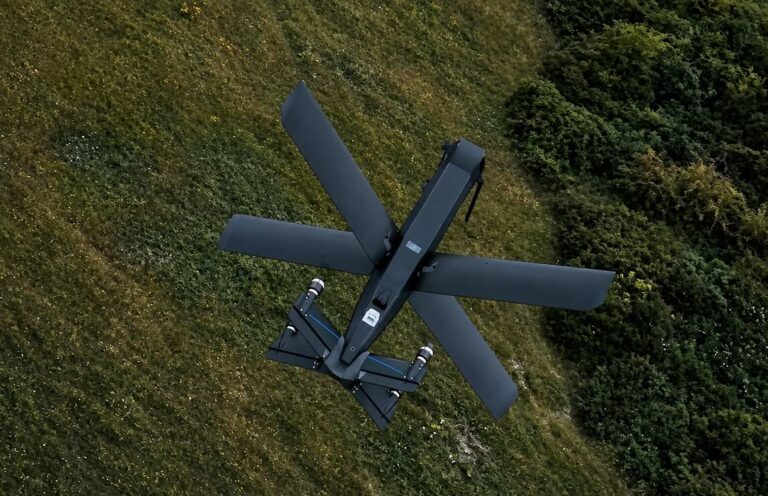
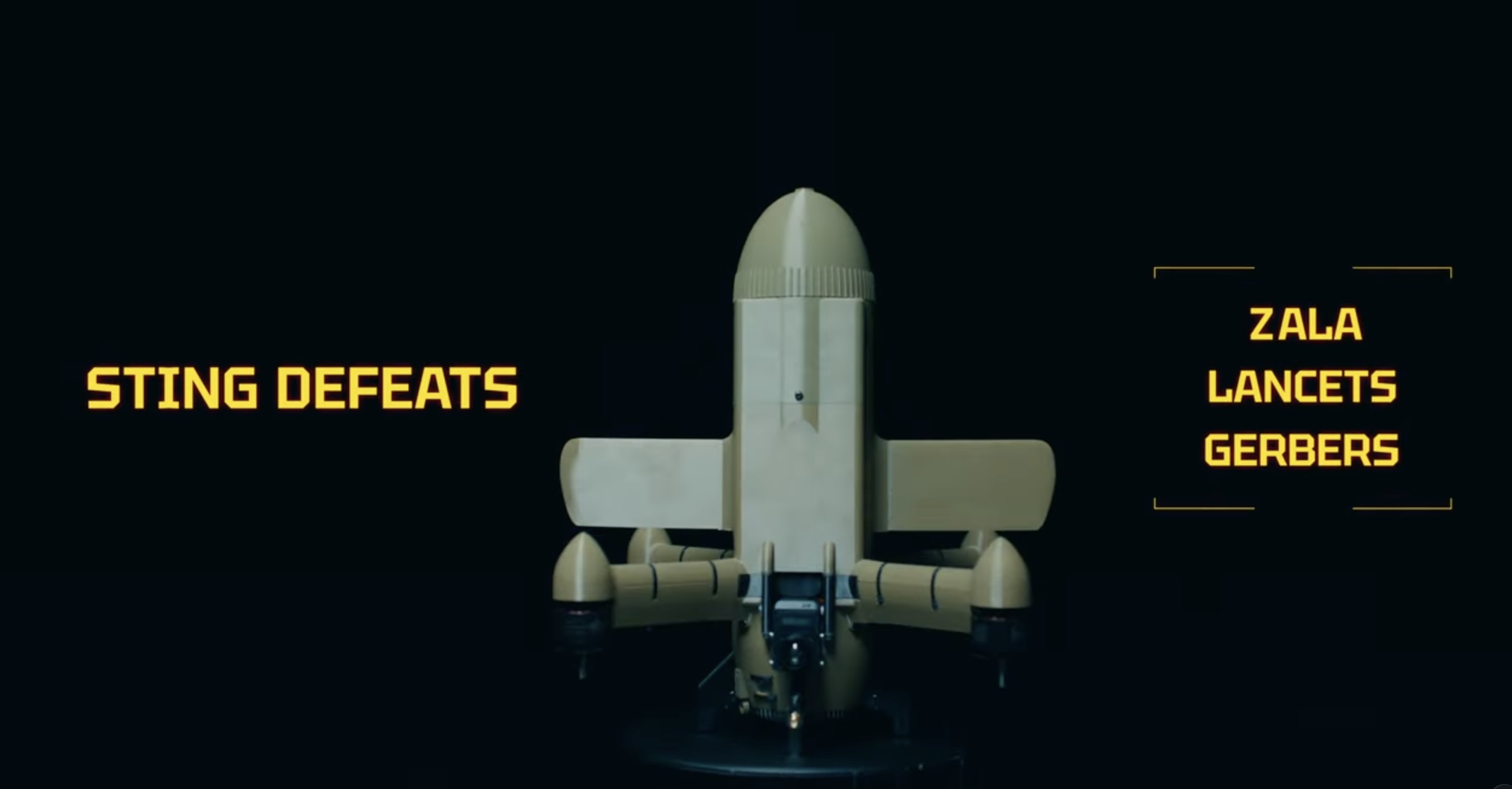
One of the most discussed examples is the Sting interceptor drone developed by the Ukrainian group Wild Hornets. The system has been presented as a low-cost, fast and manoeuvrable platform built to destroy incoming Shahed-type drones far more cheaply than using surface-to-air missiles. Reuters footage from February showed the Sting on display at a Ukrainian drone makers’ exhibition, while Associated Press reporting this week said Ukrainian interceptor drones have become attractive to the United States and Gulf states precisely because they offer a far cheaper response than systems such as Patriot interceptors, which cost vastly more per engagement.
What makes this story especially notable is the funding model behind it. In Ukraine, the line between civil society and defence innovation has become unusually thin since the full-scale invasion. Volunteer networks, charitable foundations and crowdfunding campaigns have repeatedly stepped in to fund equipment, prototypes and production runs that would once have belonged entirely to defence ministries or large contractors. Public donations have become an important accelerant of military adaptation.
That appears to be the case here as well. The source material for this article points to close cooperation between a Ukrainian fundraising foundation and the Wild Hornets team, arguing that development of the Sting interceptor was financed through public donations. While the exact share of donor funding versus other financial support is not fully public, there is open evidence that donation-funded procurement has already delivered Sting systems to frontline areas. UNITED24 said in February that donor contributions had enabled the purchase of more than 500 Sting interceptor drones for units in Sumy region.
This is an important distinction. Ukraine’s anti-drone innovation is often described abroad as a wartime state success, but much of its speed has come from a broader ecosystem. Engineers, soldiers, volunteers and donors have operated in a common loop: battlefield demand produces a technical solution, civil society helps finance scaling, and the military supplies feedback for further refinement. That model has allowed systems to move from concept to deployment far faster than would usually be possible in peacetime procurement structures.
The international implications are now becoming clearer. Reuters reported on 5 March that the United States and Qatar were in early discussions with Ukraine on acquiring Ukrainian interceptor drones to counter Iranian Shaheds, while other Gulf states have also shown interest. The Financial Times separately reported talks over Ukrainian drone-detection technologies, including acoustic systems developed during the war. President Volodymyr Zelenskyy has also offered Ukrainian expertise to regional partners facing Iranian drone attacks.
In practical terms, Ukraine has turned battlefield pressure into exportable know-how. In political terms, it has created a rare case in which a country fighting for its own survival has become a source of solutions for wealthier and better-equipped partners. And in social terms, it has shown that thousands of ordinary donors can play a direct role in shaping military technology.
The result is a striking reversal. Iran’s Shahed drone helped redefine Russia’s air campaign against Ukraine. Now Ukraine, drawing in part on money raised from its own citizens, has developed one of the most credible countermeasures to that very threat.