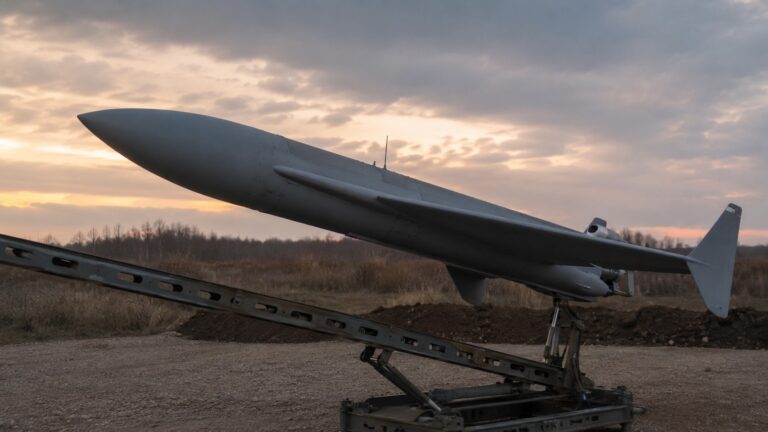
A drone attack on the Russian city of Ryazan overnight on 15 May killed three people, injured 12 others and damaged residential buildings, according to regional authorities. The strike also appears to have affected the city’s major oil refinery, raising questions over both industrial disruption and the environmental consequences for surrounding districts.
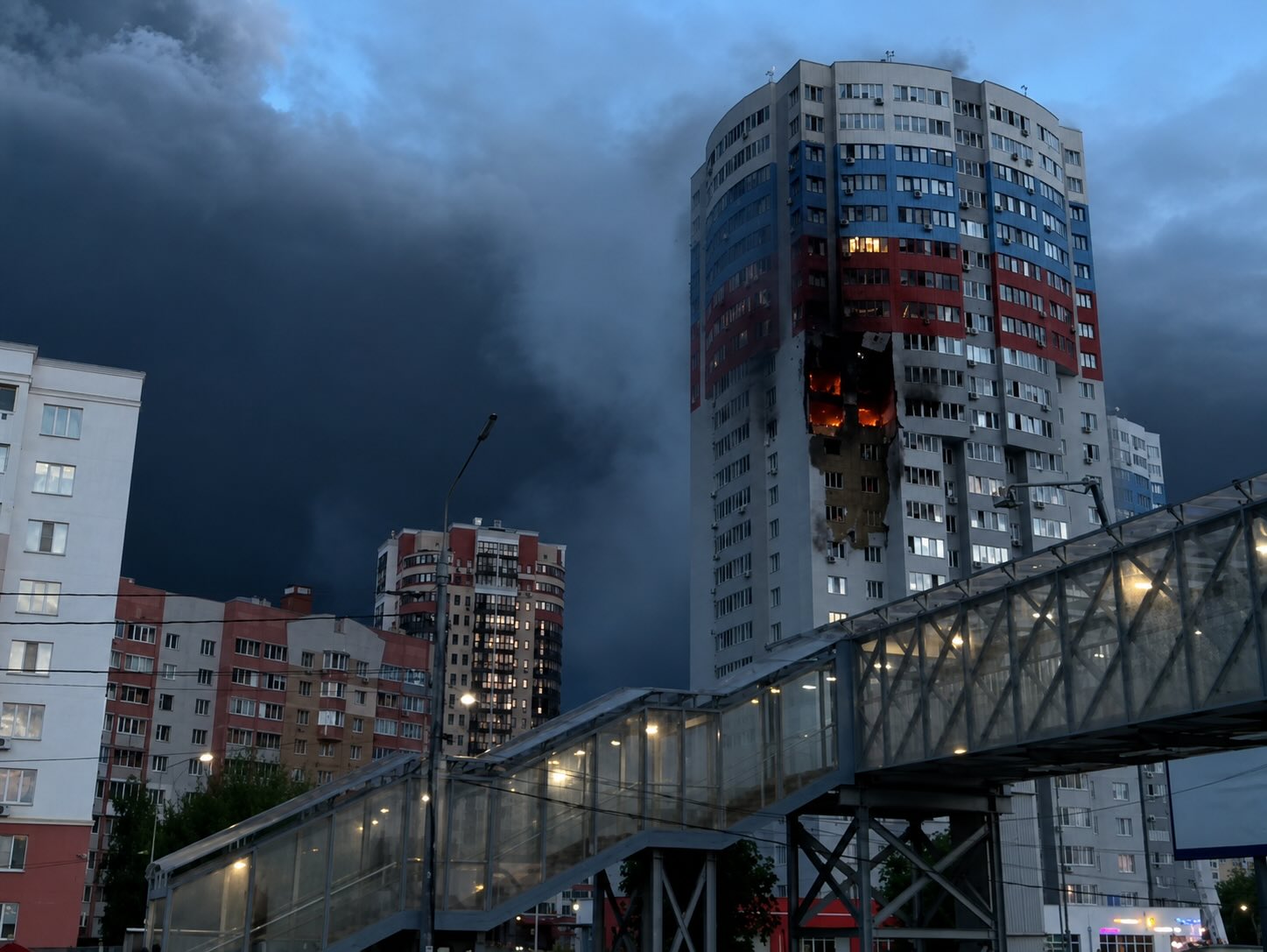
Ryazan regional governor Pavel Malkov said that two high-rise residential buildings were damaged and that drone debris fell on the territory of an industrial enterprise. He said the injured included children. Current reporting on the attack said the city, about 200 kilometres south-east of Moscow, was hit overnight and that the affected industrial site was not formally identified by Russian officials.
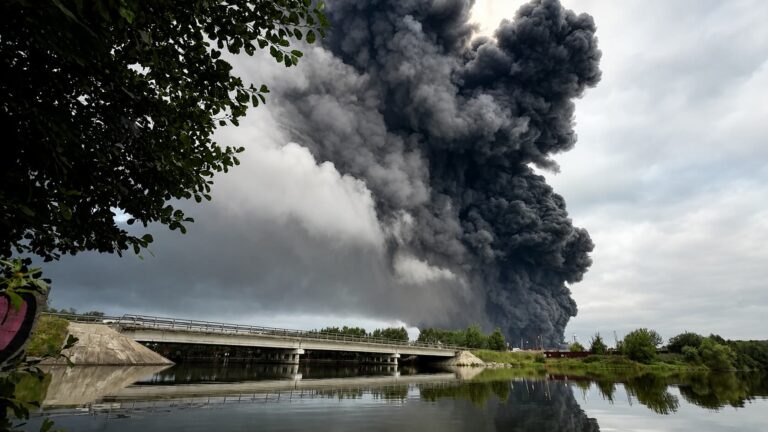
Independent Russian outlet Astra, as cited in subsequent reporting on the incident, said it had geolocated images and videos showing a fire at the Ryazan oil refinery, which is part of Rosneft’s refining structure. The refinery has been repeatedly described in open-source and industry reporting as one of Russia’s largest oil-processing plants, with a design capacity commonly given at about 17 million tonnes of crude oil per year.
The attack was followed by reports from residents of dark, sticky marks appearing on cars, windows and other surfaces. The deposits were described locally as “black rain” or “oil rain”. There has been no official laboratory confirmation of the substance, and Russian authorities have not publicly issued a detailed assessment of possible air or surface contamination. However, accounts from Ryazan residents linked the deposits to the large fire seen after the reported refinery strike.
The phenomenon has wider significance because the Ryazan refinery is not an isolated target. Ukrainian long-range drone operations have repeatedly struck Russian refineries, fuel depots, oil terminals and gas-processing facilities since 2024. Recent reporting on attacks against Russian energy infrastructure has identified a pattern of strikes affecting refineries, gas plants and oil-related facilities across several regions.
For Russia, the operational effect of such strikes depends on the extent of damage to processing units, storage tanks, power supply, loading infrastructure and repair capacity. Even when fires are contained, repeated drone attacks can force temporary shutdowns, delay maintenance cycles and divert air defence resources to protect industrial assets far from the front line. A separate recent strike on the Astrakhan gas-processing plant reportedly halted motor fuel output, illustrating the potential effect of attacks on energy-processing sites.
For local populations, the risks are different. Refineries are often situated close to residential areas that grew around Soviet-era industrial sites. When drones are intercepted above cities, or when targets are hit near densely populated districts, residents may face falling debris, fires, broken windows, structural damage, smoke exposure and possible contamination from petroleum residues.
The reported damage to apartment buildings in Ryazan underlines that risk. According to the governor’s statement, the strike affected residential property as well as an industrial site. The precise sequence of events — whether buildings were hit by drones, debris, blast effects or air-defence activity — has not been independently established.
The Ryazan incident also comes against the wider background of continued Russian missile and drone attacks on Ukraine. In recent days, Ukrainian cities have faced large-scale aerial bombardments, including strikes on Kyiv and other urban areas. Reporting on the latest mass attacks on Ukraine said residential districts and infrastructure were among the targets, with civilian casualties recorded.
The event points to a growing vulnerability inside Russia. As long as the war continues, refineries and fuel infrastructure are likely to remain exposed to Ukrainian long-range drone operations. For cities such as Ryazan, the consequence may be not only disruption to industrial facilities, but also recurring civilian exposure to smoke, debris and environmental fallout from fires at energy sites.