After years of delays, frustration, and mounting geopolitical tension, Taipei now says the first of its new F-16V aircraft will begin arriving this year—an announcement that carries both reassurance and a reminder of the challenges inherent in modern defence procurement.
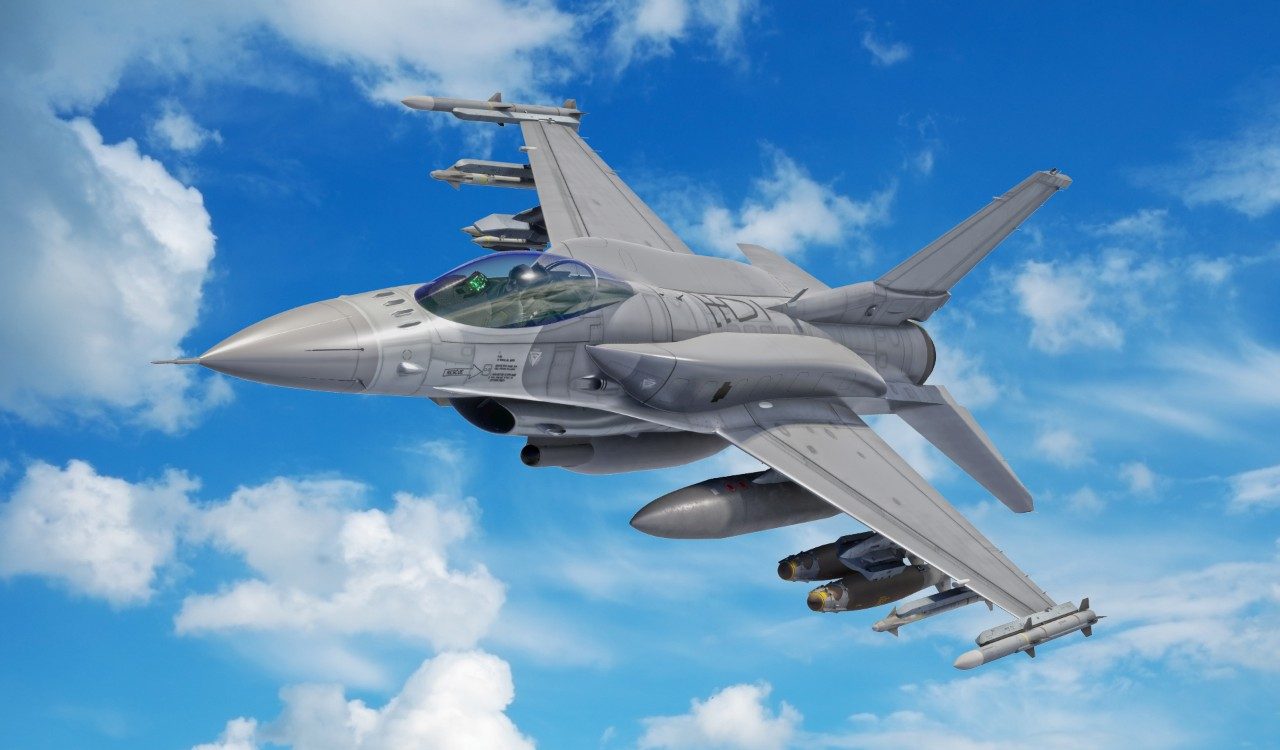
At the heart of the story lies a deal first approved in 2019, when Washington agreed to sell Taiwan 66 new F-16V fighter jets in a package valued at around $8 billion. The agreement was designed to modernise Taiwan’s ageing air force and strengthen its deterrence capabilities against an increasingly assertive China. Once completed, the programme will expand Taiwan’s F-16 fleet to more than 200 aircraft, forming the backbone of its air defence strategy.
Yet what should have been a relatively straightforward acquisition quickly became mired in delay. Supply chain disruptions, production adjustments, and technical challenges—particularly software-related issues—pushed timelines back repeatedly. Taiwan, which relies heavily on the United States as its principal arms supplier, has grown increasingly vocal in its concerns about the slow pace of deliveries.
Now, however, there are signs of real momentum. Following a recent visit by senior Taiwanese defence officials to the United States, the island’s defence ministry confirmed that production is running at full capacity. Lockheed Martin’s assembly line in South Carolina is operating on a two-shift schedule, with hundreds of personnel assigned to the programme. Crucially, officials report no bottlenecks in parts or manpower—an indication that earlier constraints may finally have been resolved.
The significance of this development extends far beyond industrial timelines. Taiwan faces near-daily military pressure from China, whose air force routinely conducts sorties around the island in what Taipei views as a campaign of intimidation. Against this backdrop, the arrival of the F-16V—equipped with advanced radar, avionics, and weapons systems—represents a tangible upgrade in Taiwan’s ability to monitor, respond to, and if necessary counter potential incursions.
The F-16V is not merely an incremental improvement. It is a platform specifically tailored to Taiwan’s operational needs, designed to integrate seamlessly with upgraded legacy aircraft and provide a credible response to China’s own modernisation efforts, including the deployment of stealth fighters such as the J-20. In parallel, Taiwan has already upgraded more than 140 of its existing F-16A/B jets to the V configuration, ensuring a high degree of fleet commonality and operational flexibility.
Importantly, the fighter jet programme is just one component of a broader push to enhance Taiwan’s defensive capabilities. The island is also receiving MQ-9B “SkyGuardian” drones from the United States, with two already delivered and the remainder expected next year. These systems, widely used in modern conflict zones, will add a valuable surveillance and reconnaissance dimension to Taiwan’s defence architecture.
Nevertheless, the delays that have plagued the F-16 programme underscore a wider issue: the growing strain on the U.S. defence industrial base. Competing global demands—from Ukraine to the Middle East—have placed unprecedented pressure on production lines, contributing to backlogs that affect not only Taiwan but other American allies as well. While U.S. officials insist that Taiwan remains a priority and that deliveries are being accelerated where possible, the episode highlights the limits of even the world’s most advanced defence ecosystem.
For Taiwan, the stakes could hardly be higher. The island’s security strategy hinges on maintaining a credible deterrent—one that convinces Beijing that any attempt at coercion or invasion would come at an unacceptable cost. In this context, timing matters. Each delay is not merely a logistical inconvenience but a potential vulnerability.
And yet, there is a cautious optimism in Taipei’s latest announcement. The confirmation that deliveries will begin this year suggests that, despite earlier setbacks, the programme is finally turning a corner. Production is accelerating, technical hurdles appear to be under control, and the first aircraft are ready to move from factory floor to operational deployment.
For Washington, too, the moment carries strategic weight. Delivering on commitments to Taiwan is not only about supporting a partner; it is also about signalling reliability to allies across the region. In an era of intensifying great-power competition, credibility is currency—and delays, however understandable, can erode it.
Ultimately, the arrival of Taiwan’s new F-16Vs will not transform the strategic landscape overnight. But it will strengthen the island’s defences, bolster confidence in U.S. support, and send a clear message about the continuing importance of deterrence in maintaining stability across the Taiwan Strait.
After years of waiting, that message may finally be ready for take-off.
Main Image: By Lockheed Martin, F-16V block 70/72 – https://commons.wikimedia.org/w/index.php?curid=111155123
China’s Wang Yi condemns record US Taiwan arms package as PLA drills intensify around the island