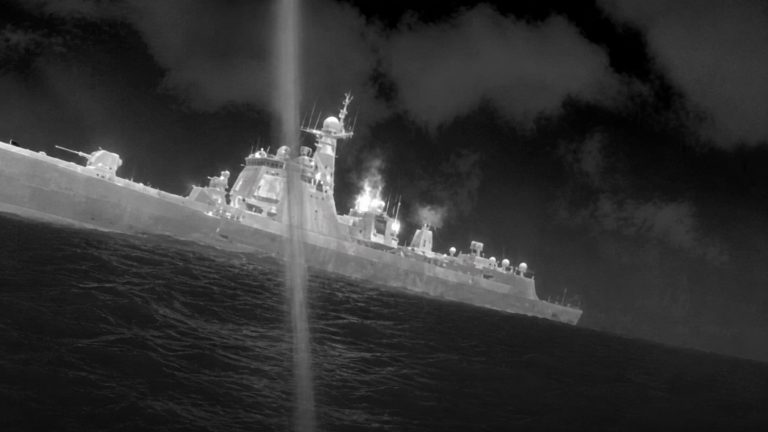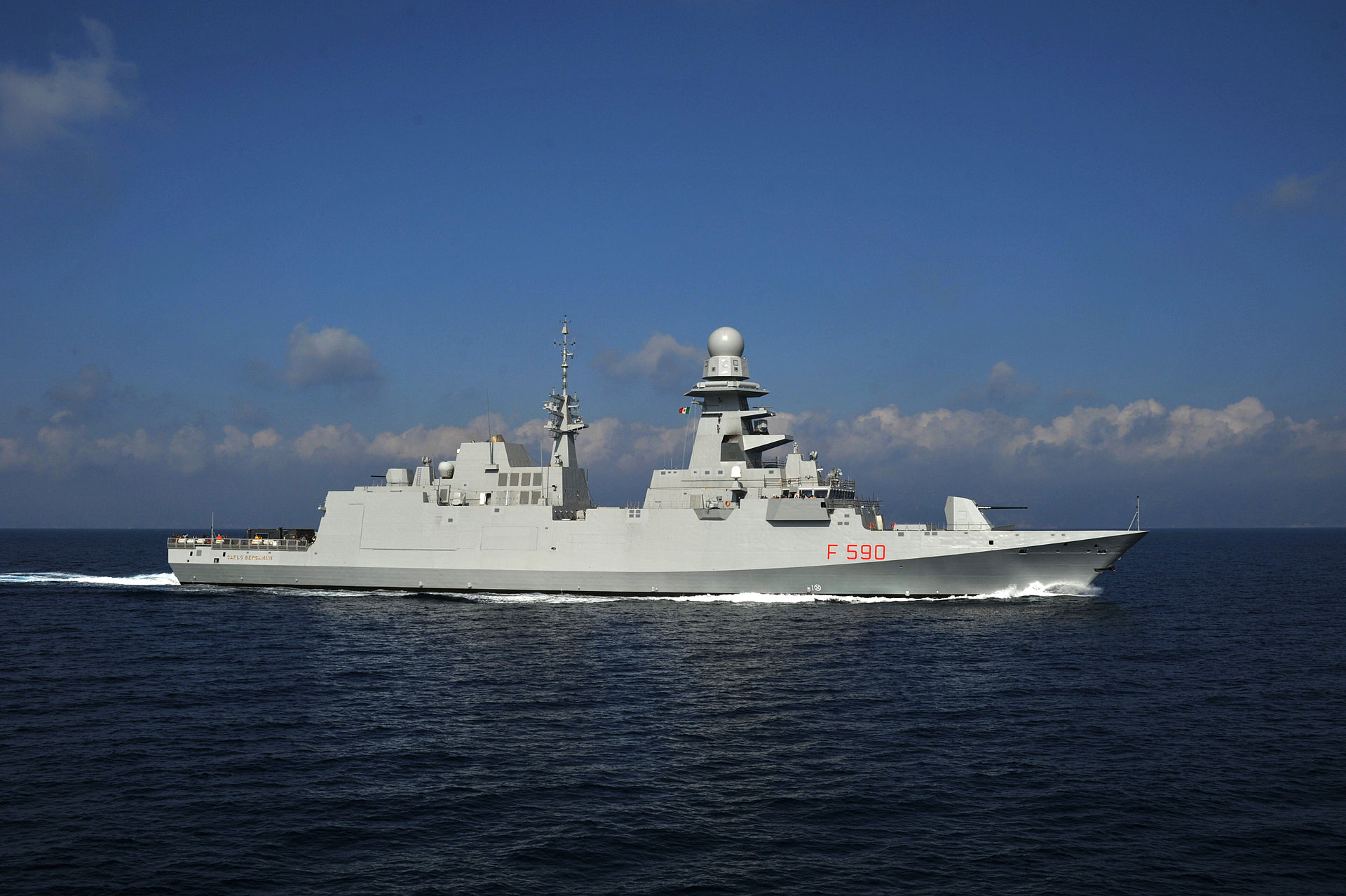
Greece is advancing plans to acquire four second-hand Italian FREMM frigates, in a further step in Athens’ effort to modernise the Hellenic Navy and replace ageing surface combatants.
According to reporting by Kathimerini, negotiations with Italy have entered an advanced stage, with the Greek government working on a 2+2 arrangement for four Carlo Bergamini-class frigates. The first phase would cover two vessels, with a second pair to follow under the same framework.
The first two ships are expected to cost around €700 million, including some of their principal weapons systems. Greece’s parliamentary committee on armament programmes and contracts is due to be briefed on the negotiations on 5 May. During the same session, lawmakers are also expected to approve two contracts covering the modernisation of four MEKO-class frigates at the Skaramangas shipyards.
The MEKO upgrade programme will include combat system improvements and structural maintenance. The work is intended to extend the operational life of the vessels, which remain a key part of the Hellenic Navy’s surface fleet but require modernisation to remain effective in the coming years.
The Italian Navy has already committed the first two Bergamini-class frigates to the Hellenic Navy. The proposed acquisition package is expected to include maintenance support, spare parts and crew training, with Italian shipbuilder Fincantieri expected to participate.
Athens also plans to procure CAPTAS-4 towed sonar systems for the FREMM vessels. This would allow the Italian-built frigates to match the anti-submarine warfare capabilities of Greece’s French-built FDI frigates, which are being introduced under a separate naval procurement programme.
The FREMM acquisition would add a significant multi-role and anti-submarine capability to the Greek fleet. The Carlo Bergamini-class vessels were designed for high-end naval operations, including anti-submarine warfare, air defence, surface warfare and escort duties. Their acquisition would allow Greece to expand capability more quickly than relying solely on new-build programmes.
The deal follows earlier Greek-Italian defence contacts. In September 2025, Greece and Italy signed memorandums on naval co-operation, opening the way for the transfer of two FREMM frigates with an option for two more. At the time, Reuters reported that Defence Minister Nikos Dendias had placed the acquisition within Greece’s wider multi-year defence plan, valued at around €28 billion.
Athens has been seeking to rebalance the age profile of its surface fleet. The Hellenic Navy still operates older Elli-class frigates, while the Hydra-class MEKO 200HN vessels require upgrades if they are to remain in service for the next phase of Greek naval planning. In January, Kathimerini reported that the Defence Ministry was moving ahead with a limited modernisation programme for the four MEKO frigates, intended to keep them operational for another 15 years.
The prospective Italian deal would sit alongside Greece’s acquisition of French FDI frigates, known in Greek service as the Kimon class. These vessels are intended to provide advanced air-defence and anti-submarine capabilities. The addition of FREMM frigates would increase the number of modern major surface combatants available to the Hellenic Navy while reducing dependence on older platforms.
The procurement also has a wider regional context. Greece and Turkey, both NATO members, have long-standing disputes over maritime zones, airspace and energy resources in the eastern Mediterranean. Reuters has reported that Athens is seeking to strengthen its navy as part of efforts to maintain military balance with Turkey.
Officials are still examining anti-ship and anti-aircraft missile options for the FREMM vessels. The selection of weapons will be central to how the ships are integrated into Greece’s existing and future naval force structure.
The parliamentary committee is also expected to discuss NATO-supported programmes for HAWK air-defence systems, PzH 2000 self-propelled artillery and Stinger launchers, with a reported value of €110 million. These programmes indicate that Greece’s current procurement cycle is not confined to the navy, but extends across air defence, artillery and wider force readiness.
The involvement of Skaramangas shipyards in the MEKO modernisation programme is also relevant to Greece’s defence-industrial objectives. Recent naval programmes have placed renewed emphasis on domestic shipyard participation, maintenance capacity and long-term support arrangements.
For Athens, the FREMM plan offers a relatively fast route to fleet reinforcement. For Rome, it would provide a structured transfer of existing vessels while supporting Fincantieri’s role in future naval construction and sustainment. The result would be closer Greek-Italian naval co-operation at a time when European states are increasing defence expenditure and seeking greater industrial co-ordination.