BAE Systems plc said on Thursday that it remained on course to meet guidance for earnings growth of between 9 and 11 per cent in 2026, as wars in the Middle East and Europe continue to swell order books across the sector.
The update, while brief, underlined the remarkable transformation of the defence industry since Russia’s invasion of Ukraine in 2022. What had long been viewed as a politically sensitive and cyclical corner of European industry has become one of the continent’s strongest-performing sectors, buoyed by rising NATO budgets, expanding procurement programmes and growing anxiety about the reliability of long-term Western security arrangements.
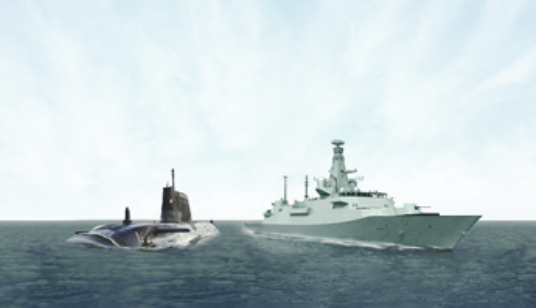
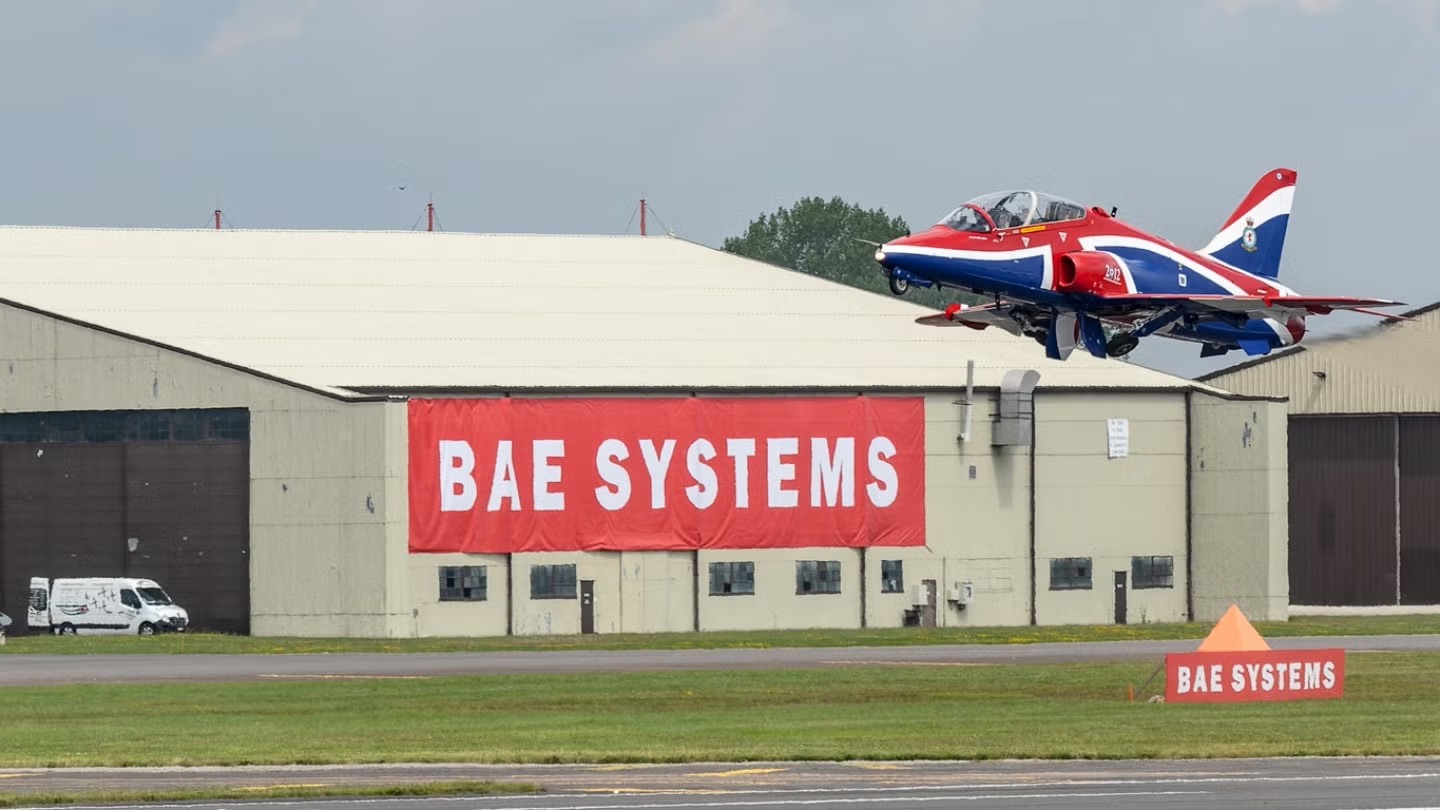
For BAE, the shift has proved especially lucrative. The group now sits at the centre of several of the West’s most strategically important military programmes, including the AUKUS submarine partnership, the Eurofighter Typhoon combat aircraft, advanced naval frigates and a wide range of missile, cyber and intelligence systems.
The company has repeatedly argued that Europe is entering what chief executive Charles Woodburn earlier described as a “new era of defence spending”, driven by mounting geopolitical instability and pressure from Washington for European allies to shoulder a greater share of NATO’s military burden.
Investors appear convinced. BAE shares have more than tripled in value since the outbreak of the Ukraine war, reflecting a broader rally across European defence stocks as governments move away from decades of underinvestment in military capability.
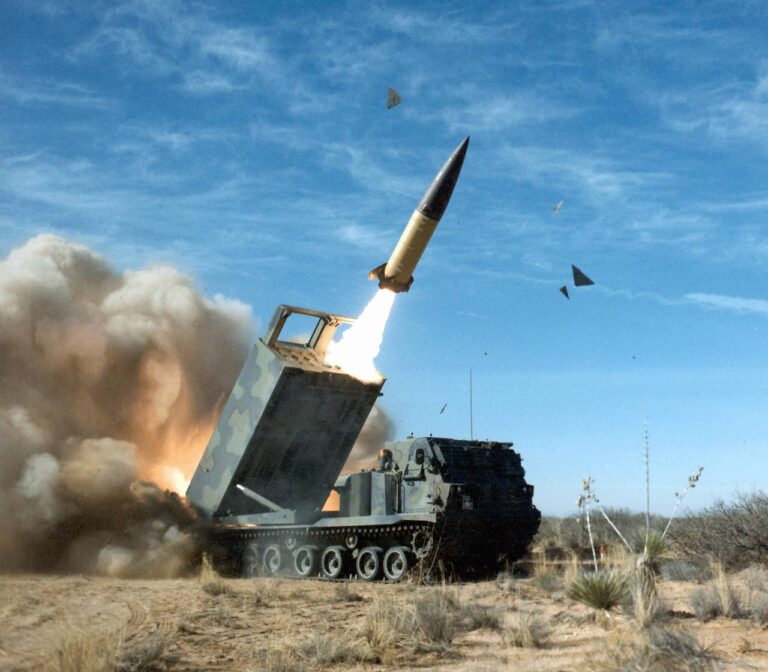
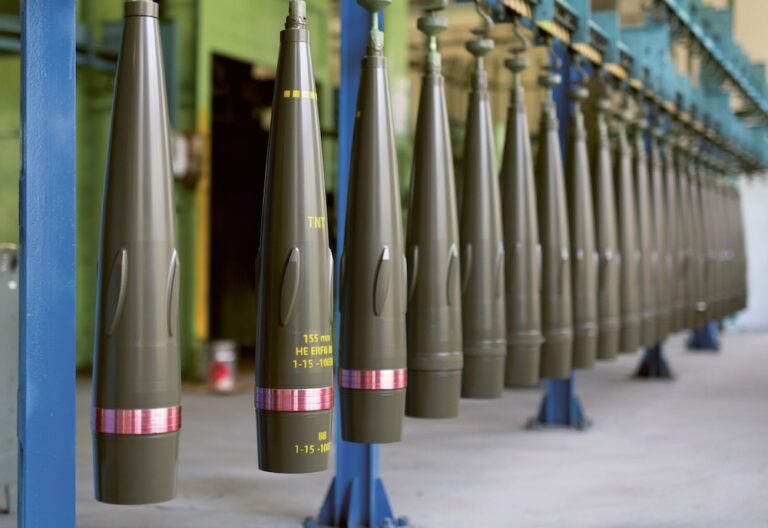
The latest reassurance from the company comes against a backdrop of heightened international tension. The war involving Iran has intensified demand for missiles, air defence systems and munitions, while Western governments continue to replenish stockpiles depleted by military aid packages sent to Ukraine. Earlier this week, the United States approved another potential arms package for Kyiv, including Joint Direct Attack Munitions systems.
At the same time, European capitals are reassessing their dependence on American military protection. Concerns have deepened following renewed debate in Washington over overseas troop deployments and the long-term future of US commitments to European security.
Britain has already begun responding to the new strategic climate. Last year, the government unveiled a sweeping defence overhaul focused on drones, cyber warfare and advanced naval capabilities, alongside plans to expand the country’s submarine fleet. The shift has created fertile ground for contractors such as BAE, whose portfolio stretches across land, sea, air, cyber and space technologies.
The company’s importance to Britain’s industrial base has also become increasingly pronounced. Employing more than 100,000 people globally, BAE has evolved into one of Europe’s dominant military manufacturers, with extensive operations in the United States, Saudi Arabia and Australia as well as the UK.
That scale has given it unusual resilience at a time when many industrial groups remain vulnerable to weak consumer demand and slowing economic growth. Defence spending, once treated as discretionary in many European capitals, is increasingly viewed as politically unavoidable.
The company’s expanding order backlog reflects that reality. Earlier this year, BAE reported a record backlog worth more than £80bn, helped by major contracts for submarines, warships and combat aircraft. Analysts believe further gains are likely if NATO members move towards spending targets above the current 2 per cent of GDP benchmark.
Yet the boom also presents challenges. Defence manufacturers across Europe face mounting pressure to expand production capacity, recruit skilled engineers and secure fragile supply chains after years of operating at comparatively low peacetime output levels. Executives have repeatedly warned that governments must provide long-term visibility on procurement plans if industry is to invest confidently in factories, shipyards and specialist labour.
There are also questions about whether Western governments can sustain rising military expenditure as public finances come under pressure from ageing populations, energy transition costs and sluggish economic growth.
Critics additionally argue that Europe’s rearmament drive risks fuelling a broader global arms race. But supporters counter that the strategic environment has changed fundamentally, particularly after Russia’s war in Ukraine and escalating tensions in the Middle East and Indo-Pacific.
For now, markets appear firmly aligned with the latter view.
The defence sector, once seen as a relatively defensive industrial backwater, has become one of Europe’s most closely watched growth stories. And for BAE Systems, whose fortunes are increasingly intertwined with the West’s evolving security doctrine, the geopolitical turmoil unsettling governments around the world is translating into one of the strongest periods of expansion in the company’s history.
Main Image: velodenz/Flickr(Creative Commons).