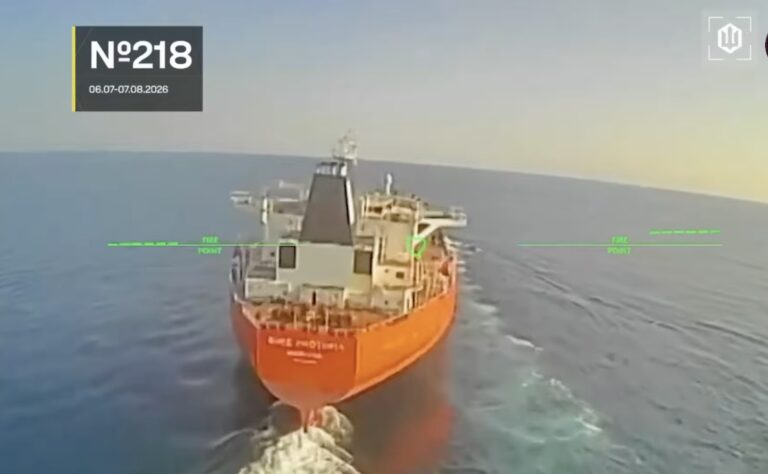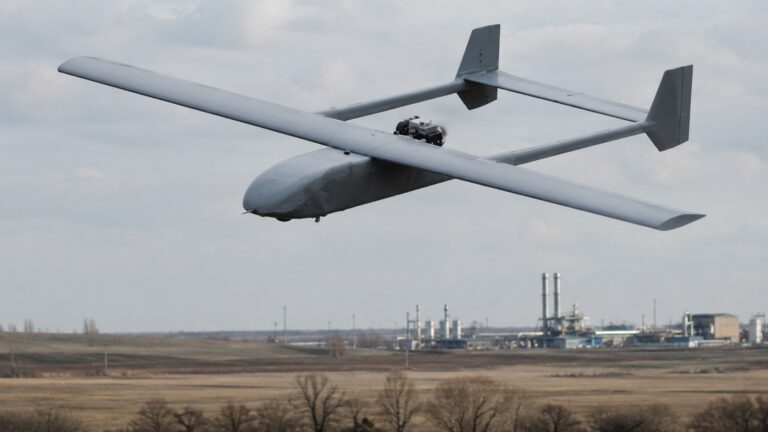
Two drones entered Latvian airspace from Russian territory overnight before crashing in the eastern Latgale region, in an incident that has again drawn attention to the vulnerability of NATO’s north-eastern flank to unmanned aerial systems.
Latvia’s National Armed Forces confirmed on Thursday morning that two drones had crashed in eastern Latvia. Airspace threat alerts were issued early on 7 May for the Balvi, Ludza and Rēzekne districts, close to the Russian border. Local authorities advised residents in affected areas to remain indoors while the situation was assessed.
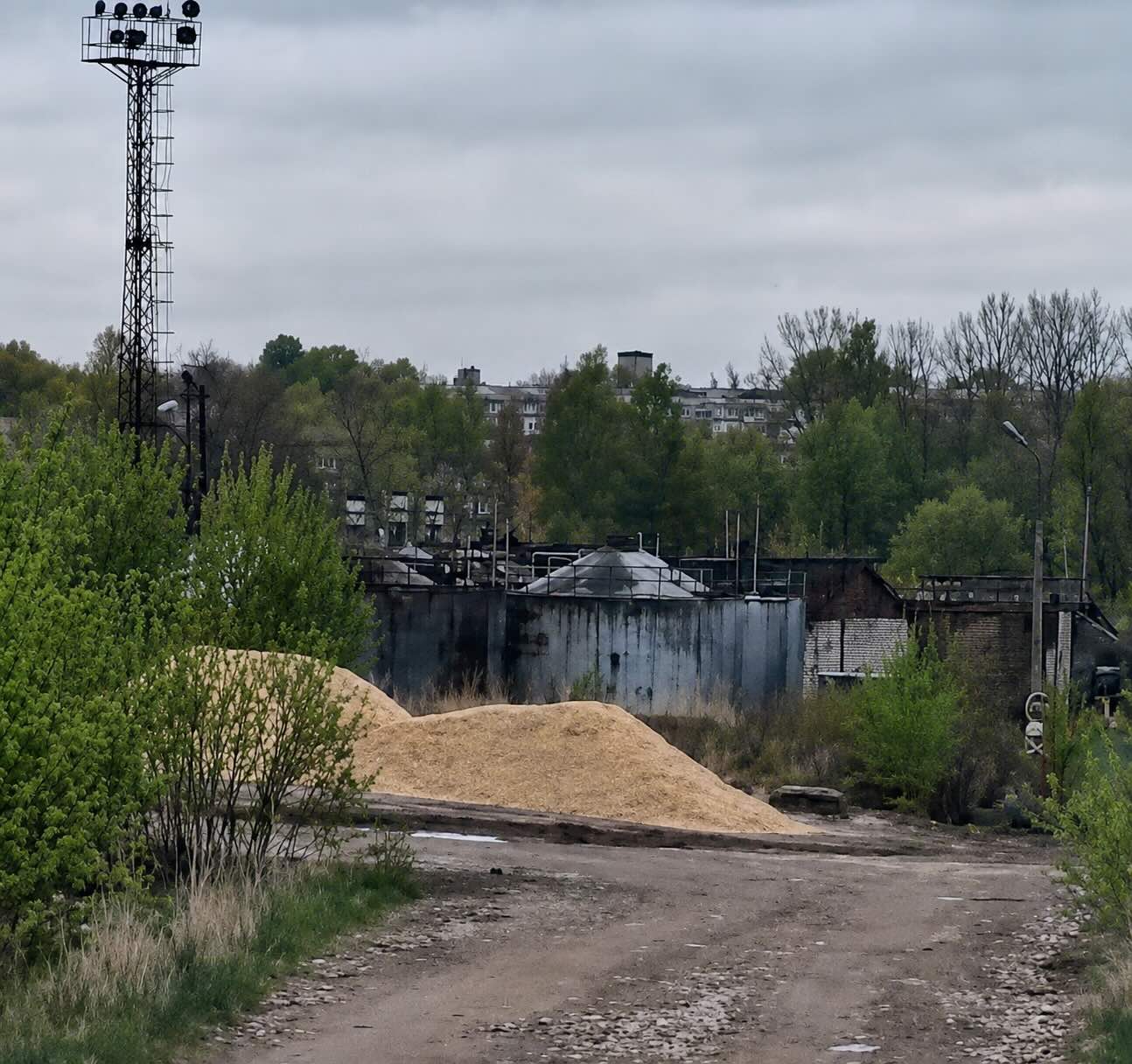
One of the drones crashed on the premises of the Rēzekne branch of East-West Transit, striking an empty oil tank. Subsequent local information indicated that four empty tanks were damaged, and that firefighters dealt with a small smouldering area at the site. There were no immediate indications of a wider industrial fire.
The airspace threat alert was later lifted, but low-altitude flights were restricted above the Latgale region as the authorities continued their investigation. The location and condition of the second crashed drone were still being clarified during the morning.
The incident also had an immediate civilian impact. Schools in Rēzekne were closed for the day, with local authorities moving pupils away from normal classroom activity while emergency and security services responded. The closures were precautionary, but they reflected the uncertainty created when drones cross into populated areas near critical infrastructure.
Latvian public broadcaster LSM reported that Defence Minister Andris Sprūds had suggested the drones may have been Ukrainian drones directed at targets in Russia, but said the information still needed to be verified. Reuters subsequently carried the same assessment in its report on the incident.
NATO’s Baltic Air Policing mission was activated in response. The mission has protected the airspace of Latvia, Lithuania and Estonia since the three Baltic states joined the Alliance in 2004. NATO describes air policing as a permanent peacetime task intended to preserve allied airspace integrity, with fighter aircraft held ready to respond to air incidents.
The Latvian case illustrates a widening gap between traditional air-policing arrangements and the practical challenge posed by drones. Fighter aircraft can respond quickly to airspace violations, but small or medium-sized unmanned systems present a different problem. They may fly at lower altitude, follow irregular routes, and cross borders before their point of origin, purpose, or technical condition is fully understood.
For the Baltic states, that is not a theoretical issue. Latvia, Lithuania and Estonia sit on NATO’s external border with Russia and Belarus, and their airspace is comparatively narrow. A drone crossing the border can reach towns, industrial sites, roads, rail corridors, or military-relevant infrastructure in a short time. That geography leaves limited space for identification, interception, and risk assessment.
The Rēzekne incident follows earlier drone-related concerns in the region. In September 2024, Latvia’s Defence Ministry confirmed that a Russian Shahed-type drone carrying explosives had crashed in Rēzekne municipality after entering Latvian airspace from Belarus. That case prompted scrutiny of border surveillance, air-defence readiness, and the legal and operational thresholds for engaging drones over national territory.
The episode is likely to reinforce Baltic arguments that air policing alone is insufficient for the current threat environment. Air policing was designed primarily for aircraft identification and interception. The drone threat requires layered detection, electronic warfare options, short-range air defence, clear engagement rules, and close coordination between military, border, police, emergency and municipal authorities.
For Latvia, the immediate priorities are technical identification of the drones, confirmation of their route, assessment of any explosive payload or residual risk, and repair of the damaged oil storage site. For NATO, the wider issue is how to manage repeat drone incursions without escalating unnecessarily, while also preventing allied territory from becoming an unintended spillover zone for strikes across the Russian-Ukrainian theatre.
The incident is unlikely to change NATO’s eastern-flank posture by itself. It does, however, add to the operational evidence that drones are now a persistent security problem for allied states bordering the war zone. In Latvia’s case, the damage was limited. The next incident may test response procedures under more difficult conditions.