Ukraine has warned that its air-defence missile stocks are running short after months of Russian winter attacks, raising fresh questions over the ability of Kyiv’s partners to maintain supplies for some of the most important Western systems in Ukrainian service.
The warning was issued by Yuriy Ihnat, spokesman for Ukraine’s air force, who said some launchers assigned to air-defence units were now only partially filled. The problem affects systems used to intercept Russian missiles and drones, including those supplied by Ukraine’s Western partners.
The shortage comes after a winter campaign in which Russia repeatedly used combined attacks involving drones, cruise missiles and ballistic missiles against Ukrainian cities, power infrastructure and other targets. Ukraine has increased its use of mobile fire groups, electronic warfare and interceptor drones to counter large numbers of Russian attack drones, but those methods cannot fully replace missile-based air defence against higher-speed or more complex threats.
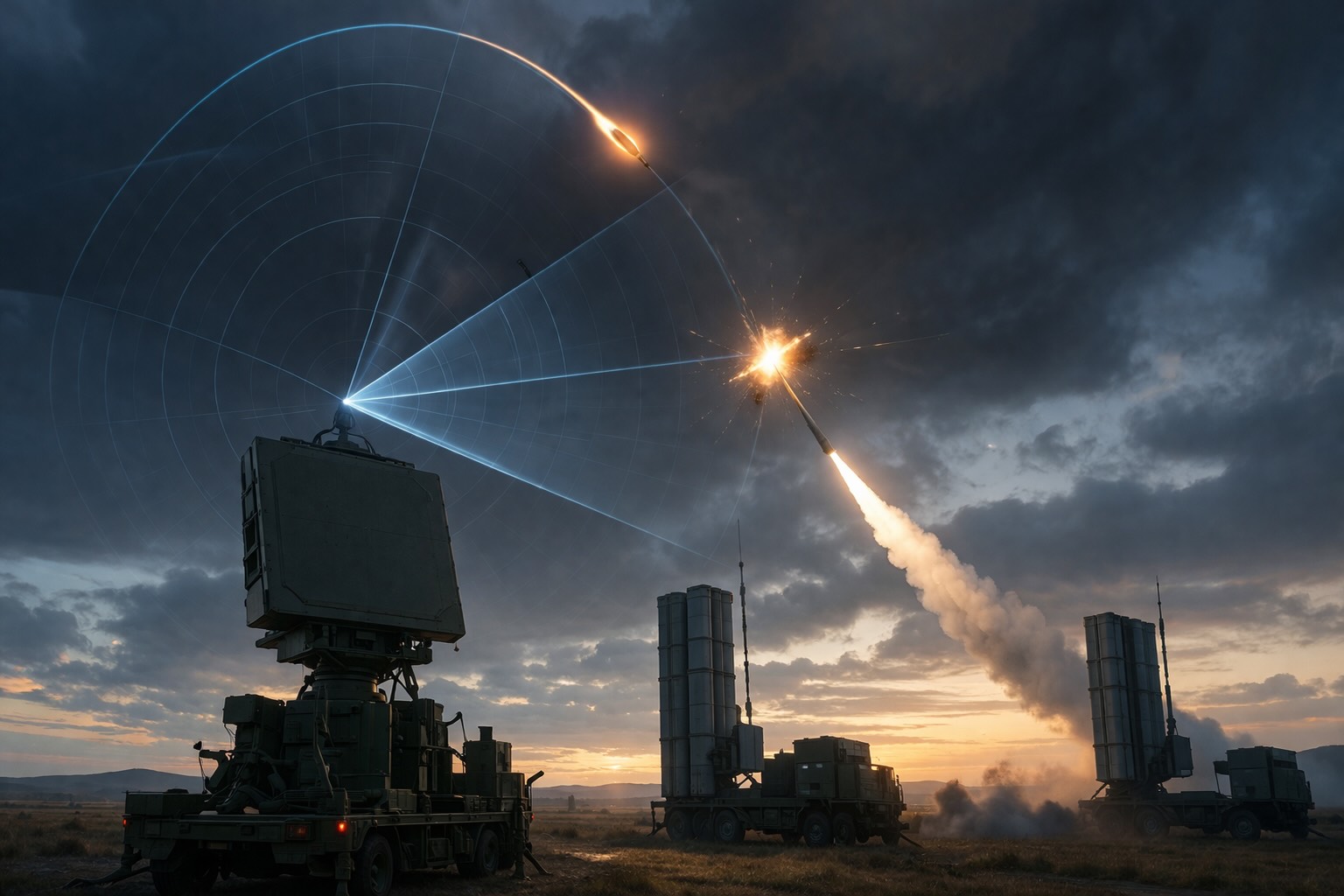
Ukraine’s air-defence network depends on a layered structure. Systems such as Patriot, SAMP/T, NASAMS and IRIS-T are used against different types of missiles and aircraft, while shorter-range assets and mobile teams are used against drones. The Ukrainian Ministry of Defence has previously described support for these systems through the Integrated Air and Missile Defence Coalition, which is led by Germany and France and includes a number of NATO and European partners.
The operational problem is that air-defence launchers are only as useful as the missiles available for them. A launcher that is in position but not fully supplied creates a gap in the defended area and limits commanders’ ability to respond to repeated salvos. In practice, Ukraine must decide which incoming threats justify the use of scarce interceptor missiles and which can be left to cheaper or less certain methods of defence.
The pressure has been intensified by Russia’s growing use of drones to stretch Ukraine’s defences. Large-scale drone attacks can force Ukrainian units to expend ammunition, move assets between regions and preserve higher-value missiles for more dangerous targets. Russia has also continued to use ballistic missiles, against which Ukraine has far fewer effective options.
The Patriot system remains particularly important because of its role against ballistic missiles. Ukraine has repeatedly asked for additional Patriot batteries and interceptors, arguing that the system is essential for protecting major cities and critical infrastructure. Earlier this year, Ukrainian officials also pressed European partners to work on a broader defence architecture against ballistic weapons, warning that such strikes were among the hardest threats to counter.
For Kyiv, the shortage underlines a wider problem in the war: Ukraine can innovate quickly against drones, but it remains dependent on external supply chains for advanced interceptor missiles. Western production of air-defence ammunition has expanded, but demand remains high, delivery schedules are uneven, and stocks are also required for NATO’s own readiness.
The issue is not limited to the number of launchers transferred to Ukraine. Sustaining each system requires a continuous flow of missiles, spare parts, maintenance, training and integration into command networks. If interceptor deliveries slow, the practical value of previously supplied systems declines.
Ukraine has tried to offset these constraints through domestic development. President Volodymyr Zelenskyy announced in January that Ukrainian forces were introducing new air-defence methods based on small groups using interceptor drones. Private Ukrainian companies have also begun to provide authorised defensive services for businesses and infrastructure sites, a sign that the pressure from Russian drone attacks has created demand for additional layers of protection.
These measures may reduce the number of expensive missiles used against drones, but they do not remove the need for Western air-defence ammunition. Cruise missiles, ballistic missiles and some complex aerial threats still require more capable systems. The shortage therefore places renewed emphasis on allied procurement, stockpile management and the defence-industrial capacity of Europe and the United States.
The warning is also relevant to European defence planning. Ukraine’s experience shows that modern air defence is not a one-off procurement question, but a sustained ammunition and production challenge. A country facing regular drone and missile attacks must be able not only to field systems, but to reload them over months and years.
For NATO governments, the immediate issue is whether to provide Ukraine with additional interceptor missiles without weakening their own minimum stock levels. The longer-term issue is whether European defence industry can produce air-defence ammunition at the scale required by a prolonged high-intensity war.
Ukraine’s message is therefore clear. It needs new systems, but it also needs a reliable supply of missiles for the systems already deployed. Without that, the air-defence shield protecting Ukrainian cities, energy infrastructure and military positions becomes thinner, even if the launchers remain in the field.