Ukraine is considering sending security experts to the Baltic states after two drones entered Latvia from Russian territory and crashed near an oil storage facility, raising fresh questions over airspace security on NATO’s eastern flank.
Foreign Minister Andrii Sybiha said Kyiv was ready to assist Latvia and other Baltic partners in strengthening air defence and counter-drone measures. He said Ukraine had not directed any drones towards Latvia and was investigating whether electronic warfare or other factors may have caused the aircraft to deviate from their intended route.
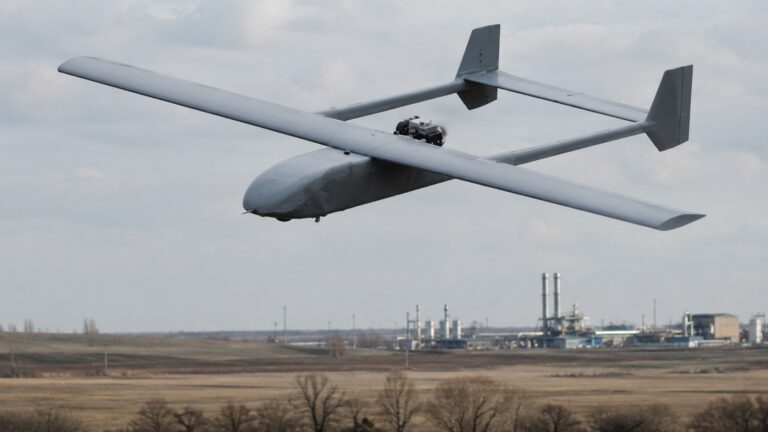
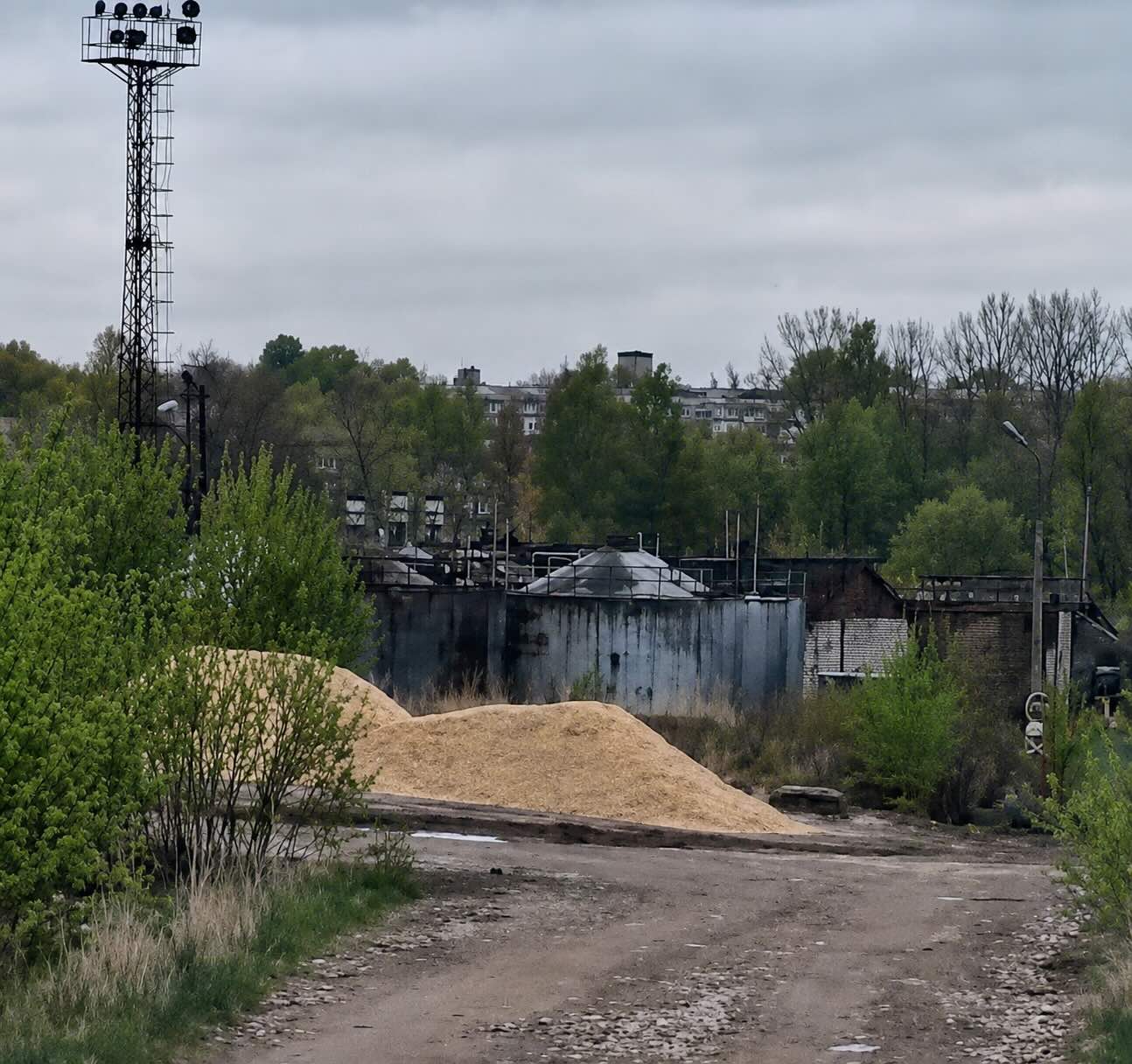
The incident occurred on 7 May, when two drones entered Latvian airspace from the direction of Russia and crashed near Rēzekne, close to the Russian border. Latvian officials said the drones damaged four empty oil tanks. No casualties were reported.
Latvia’s Defence Minister Andris Sprūds said the drones were probably launched by Ukraine against targets in Russia rather than deliberately aimed at Latvia. That assessment, if confirmed, would point to a cross-border spillover incident linked to the expanding use of long-range drones in the Russia-Ukraine war. It does not, however, reduce the operational problem for Latvia or NATO, since the drones entered allied airspace from the direction of Russia and created a domestic security incident.
Sybiha said Ukraine had already expressed apologies to Latvia and was working with Latvian authorities to establish what happened. In a public statement, he said Ukraine never directed drones towards Latvia and was prepared to share expertise with Baltic partners.
The offer of expert support reflects Ukraine’s accumulated experience in air defence, electronic warfare, drone interception and civil infrastructure protection. Since 2022, Ukrainian forces have had to develop layered methods for countering Russian drones and missiles, including mobile fire groups, electronic warfare units, interceptor drones and integration of Western-supplied air-defence systems.
For the Baltic states, the issue is different but related. Latvia, Lithuania and Estonia are NATO members bordering Russia or Belarus. Their airspace is protected through national capabilities and NATO arrangements, including the Baltic Air Policing mission. However, low-flying drones, electronic warfare effects, navigation failures and debris from cross-border strikes present a more complex challenge than conventional air-policing missions against manned aircraft.
The Latvian incident appears to have involved drones linked to Ukraine’s long-range campaign against military and industrial targets inside Russia. Kyiv has increasingly used drones to strike oil refineries, defence plants, airfields and logistical infrastructure supporting Russia’s war effort. Russia has meanwhile claimed that its air defences and electronic warfare systems are diverting or intercepting Ukrainian drones.
If drones are deflected rather than destroyed, neighbouring countries may face secondary risks. A drone that loses navigation, runs out of fuel, or is pushed off course by electronic interference can cross borders and crash in civilian areas. The Rēzekne incident illustrates that NATO territory can be affected even when it is not the intended target.
That risk has been visible before. Latvia has previously reported drone-related airspace incidents, including cases involving Russian-designed Shahed-type systems. Lithuania and Estonia have also raised concerns over the need to reinforce regional air defence as the war in Ukraine generates more unmanned activity near NATO territory.
The response now under discussion is likely to focus on practical assistance rather than combat deployment. Ukrainian specialists could advise on detection, classification, electronic warfare patterns, drone debris assessment, response procedures and protection of vulnerable infrastructure. Such support would be particularly relevant for border regions, fuel facilities, airports, power assets and military sites.
The incident also highlights a wider NATO problem. Alliance air defence along the eastern flank was designed primarily around aircraft and missiles, not repeated incursions by small or medium-sized drones. While high-end systems can engage aerial threats, using expensive interceptors against individual drones is often inefficient. That has driven interest in cheaper layered systems, including radar networks, electronic jamming, mobile teams and interceptor drones.
The incident is unlikely to alter Latvia’s support for Ukraine, but it does expose the practical burden carried by states closest to Russia. Drone warfare does not stop neatly at political borders when navigation, electronic warfare and air-defence activity interact across a crowded battlespace.