Russia’s declared ceasefire around its 9 May Victory Day commemorations failed to produce a meaningful halt in fighting, according to Ukraine’s military, which reported continued front-line clashes and overnight missile and drone attacks.
The General Staff of the Armed Forces of Ukraine said that 45 combat clashes took place between 10pm on 8 May and 8am on 9 May. The figure was broadly in line with recent daily patterns, despite the fact that a three-day truce was supposed to have come into force at midnight. Over the previous 24-hour reporting period, Ukrainian officials recorded 245 combat engagements across the front.
The ceasefire was announced after US President Donald Trump said Ukraine and Russia had agreed to suspend kinetic military activity from 9 to 11 May. President Volodymyr Zelenskyy later confirmed Ukraine’s participation in the ceasefire and a planned exchange of 1,000 prisoners of war from each side, while stressing that the return of Ukrainian prisoners remained a priority for Kyiv.
Zelenskyy Spares Red Square from Ukrainian Strike Plan as Three-Day Ceasefire Is Announced
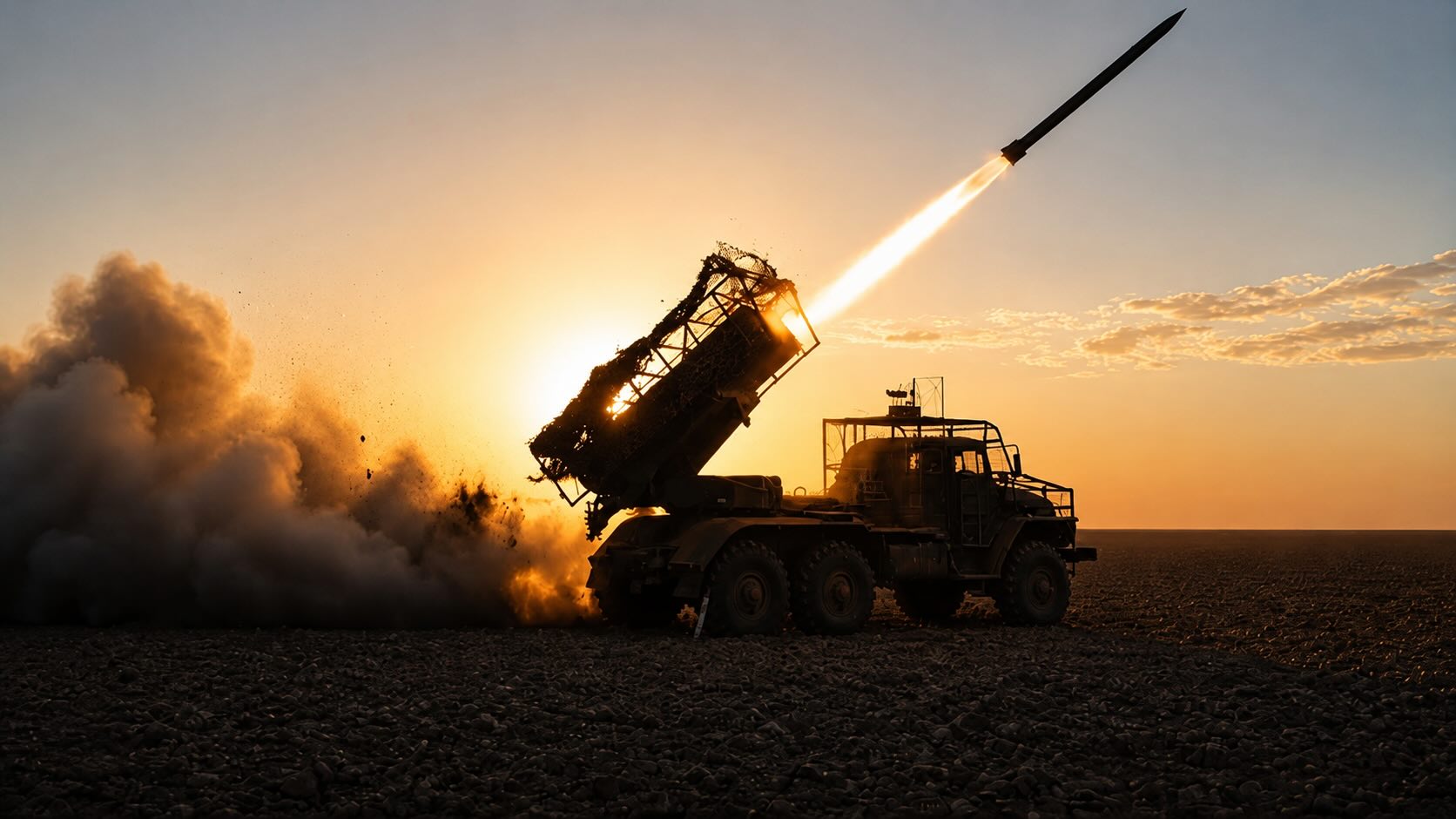
However, the first hours of the declared pause were accompanied by further Russian air attacks. Ukraine’s Air Force said Russia launched one Iskander-M ballistic missile and 43 drones during the night of 8–9 May. Ukrainian air defences said they shot down or neutralised 34 of the drones, while strikes were recorded at six locations. The drones included Shahed-type attack UAVs and other unmanned systems, including decoy drones used to complicate air defence operations.
The precise launch timing of every drone was not immediately clear from the initial Ukrainian reports. Some attacks may have been initiated before midnight and reached Ukrainian airspace later. Even so, the overnight missile and drone activity was reported on the first morning of the ceasefire, reinforcing Kyiv’s argument that Moscow’s declared pause had not translated into a real halt in military operations.
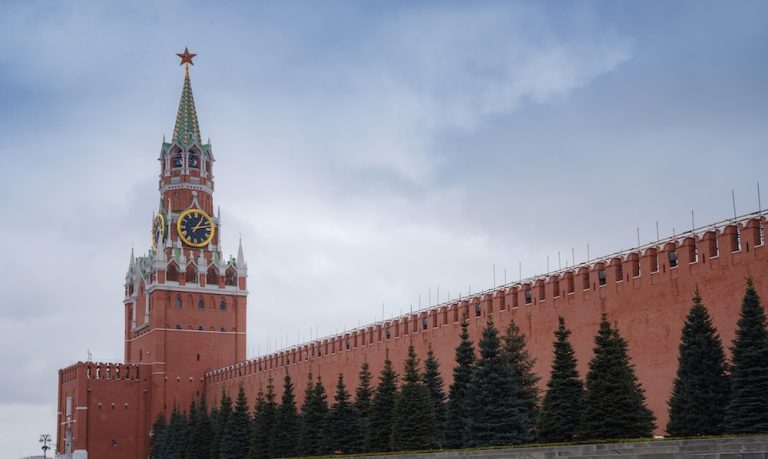
The political context is central to the dispute. Moscow presented the pause in hostilities around Victory Day, one of the most symbolic dates in the Russian state calendar. Kyiv has argued that short ceasefires tied to Russian commemorative events do not represent a serious effort to end the war unless they are comprehensive, verifiable and observed by Russian forces.
Ukraine had previously indicated readiness for a longer ceasefire, while Russia proposed a shorter pause centred on the 9 May period. That distinction has become part of the diplomatic argument around the war. Kyiv says it is prepared to support a genuine and sustained halt in fighting; Moscow has used temporary ceasefire declarations while maintaining pressure on the battlefield.
The latest reports also illustrate the practical limits of ceasefire announcements without monitoring or enforcement. A pause that is not observed on the ground offers little protection to civilians, does not reduce pressure on Ukrainian forces, and risks becoming a political gesture rather than a military reality.
As of the morning of 9 May, Kyiv’s position was clear: the fighting had not stopped. Russia’s declared ceasefire, timed around its Victory Day parade, had not produced a meaningful pause on the battlefield or in the air.