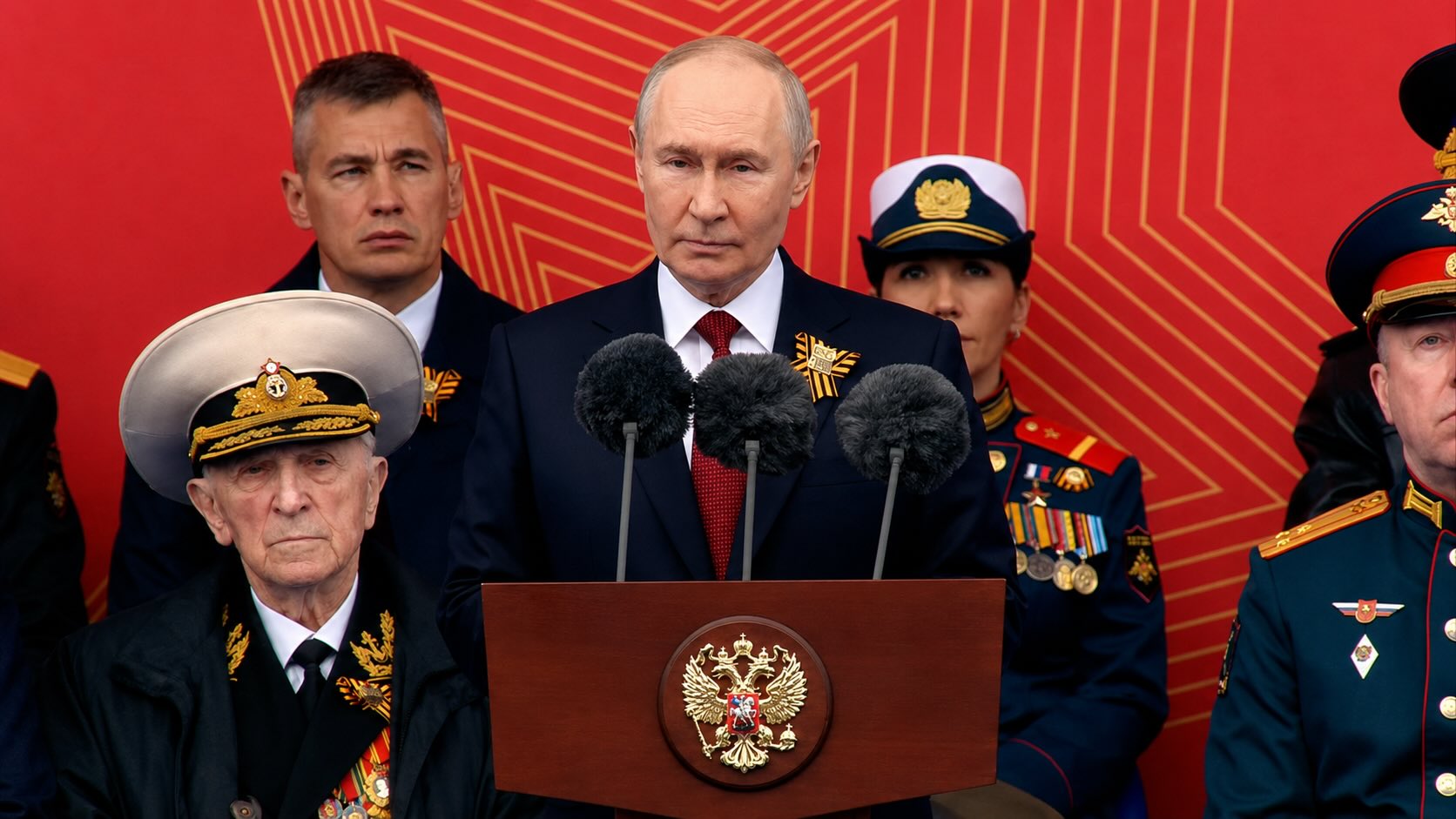
Russia held its annual Victory Day parade in Moscow on Saturday under unusually tight security, with the event reduced in scale as the war in Ukraine continued to affect the Kremlin’s ability to project military confidence at home.
The 9 May parade on Red Square, which marks the Soviet victory over Nazi Germany in the Second World War, is one of Russia’s most important state ceremonies. Under President Vladimir Putin, it has also become a central display of military strength. This year, however, the event took place without the usual parade of tanks, missile systems and heavy ground equipment, according to accounts of the Red Square ceremony and the scaled-back military display.
The absence of heavy armour and missile systems was notable because such equipment has for years formed a core part of the parade’s visual message. Previous Victory Day ceremonies have been used to present Russia’s modernised armed forces, including tanks, air defence systems and nuclear-capable missile platforms. On Saturday, the physical display was largely limited to marching formations and ceremonial elements, while some weapons systems were shown through state television coverage and screens rather than by passing through Red Square.
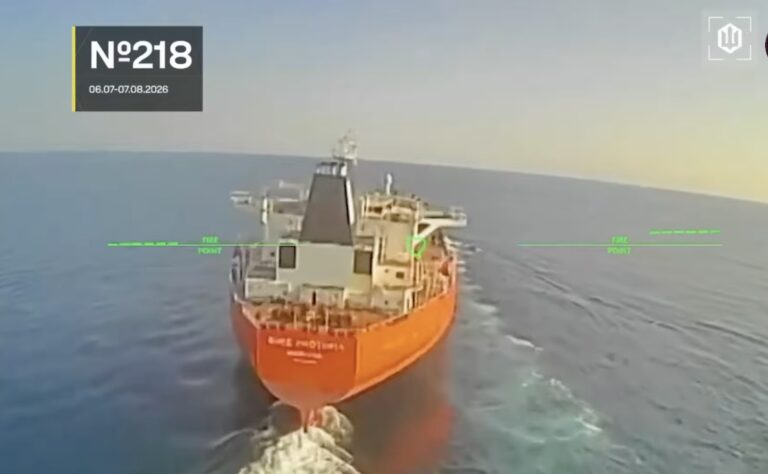
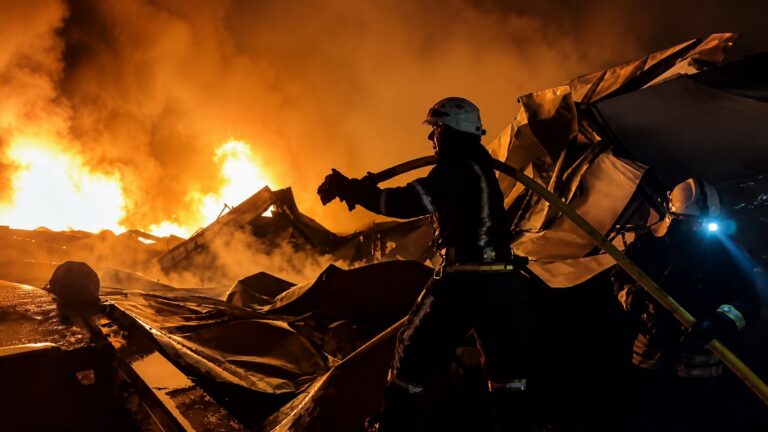
The change came amid heightened concern in Moscow over Ukrainian long-range strikes and drone operations inside Russia. In recent months Ukraine has increased attacks on Russian military, energy and transport-related targets, forcing Moscow to allocate more attention to air defence, civil aviation restrictions and domestic security measures. Russian authorities had already taken additional precautions ahead of the parade, including aviation restrictions and tighter controls around the capital.
The ceremony also took place during a three-day ceasefire window from 9 to 11 May. The pause was announced after diplomatic exchanges involving Washington, Kyiv and Moscow. President Volodymyr Zelenskyy confirmed that Ukraine would not target Red Square during the parade, while also linking the issue to wider ceasefire discussions and a planned prisoner exchange. His public statement followed days of tension over whether Moscow’s commemorations might become a target.
Mr Putin used his Victory Day address to connect Russia’s current war against Ukraine with the Soviet wartime narrative. According to the Kremlin’s account of the event, he addressed troops and veterans on Red Square in his capacity as commander-in-chief. The speech repeated Moscow’s framing of the war as a struggle against hostile external forces, a theme used consistently by the Russian leadership since the full-scale invasion of Ukraine in February 2022.
The reduced parade does not in itself indicate a change in Russian military capability. It does, however, show how the conflict has reached into Russian domestic security planning. A ceremony previously designed to demonstrate state control and military continuity was shaped this year by the risk of disruption from an adversary that has developed longer-range strike options.
For Ukraine, the symbolism was also evident. Kyiv has sought to demonstrate that Russian territory is no longer insulated from the war that Moscow launched. Drone attacks on refineries, military facilities, airfields and infrastructure have become part of Ukraine’s wider campaign to impose costs on Russia beyond the front line. The altered Victory Day format gave that campaign a visible political effect, even without a strike on the parade itself.
The event also highlighted the constraints facing Moscow as it balances domestic messaging with operational security. A large display of military hardware would have required significant logistical movement, public exposure and protection. Scaling back the parade reduced those risks, but it also weakened the visual force of an event traditionally used to present Russia as militarily confident and internally stable.
Foreign attendance remained part of the ceremony’s diplomatic presentation, with allied and partner figures present in Moscow. Even so, the focus of the day was less on international endorsement than on the contrast between the Kremlin’s wartime rhetoric and the practical security limits imposed by the conflict.
Victory Day remains politically important for the Russian state. It draws on a historical memory that carries deep significance for Russian society and for many other former Soviet republics. But in the fifth year of the full-scale war against Ukraine, the 2026 parade showed that the commemoration is no longer insulated from the operational realities of the current conflict.
The key issue is not the parade itself but what it indicates about vulnerability, deterrence and the growing role of long-range unmanned systems. Ukraine’s ability to threaten targets far from the front line has changed the security environment inside Russia. Moscow’s decision to reduce one of its most visible military ceremonies suggests that those risks are now being factored into events at the centre of Russian state power.