Ukraine has reported continued Russian drone strikes and battlefield clashes during a three-day ceasefire window, raising further questions over the viability of short-term pauses in hostilities without credible monitoring or enforcement mechanisms.
The ceasefire, covering 9–11 May, was announced as part of a US-backed diplomatic effort intended to reduce fighting and support a planned prisoner exchange. It coincided with Russia’s Victory Day commemorations and was presented as a temporary suspension of major operations. However, current battlefield reporting indicates that the reduction in activity was partial rather than comprehensive.
Ukrainian military and regional authorities reported Russian drone strikes, shelling and ground attacks over the weekend and into Monday. According to the latest available battlefield accounts, Ukraine’s military recorded 180 clashes along the front line during a 24-hour period, while regional officials reported civilian casualties in several areas, including Zaporizhzhia, Kherson, Mykolaiv, Kharkiv and Donetsk regions.
President Volodymyr Zelenskyy said Russia had refrained from massed missile and aerial strikes during part of the ceasefire period, but that Russian forces had not stopped operations on the front. In remarks published on 10 May, he said there had been more than 150 assault actions, over 100 instances of shelling, and nearly 10,000 kamikaze drone strikes on 9 and 10 May. He said Ukraine had refrained from long-range strikes in response to the absence of large-scale Russian attacks, but would respond if Russia returned to full-scale strikes.
Ukraine’s Air Force also reported a Russian drone attack during the ceasefire period. On the night of 9–10 May, it said Russia launched 27 drones against Ukraine, including Shahed-type attack drones and other UAV types. Ukrainian forces said all 27 were intercepted. The figures indicated that the truce did not halt drone activity, even if the scale of long-range strikes was lower than in previous mass attacks.
The Russian side has accused Ukraine of violating the ceasefire. Russia’s Defence Ministry said Ukrainian forces had carried out drone and artillery attacks against Russian troops and civilian targets in several regions, and said Russian air defences had shot down 57 Ukrainian drones. Moscow stated that Russian forces had responded to Ukrainian actions with artillery, mortars and multiple-launch rocket systems.
The competing claims cannot be independently verified in full. What is clear from statements by both sides is that neither reported a complete cessation of military activity. The ceasefire appeared to reduce some categories of strikes, particularly large-scale missile attacks, but did not stop ground operations, drone use or artillery fire across the line of contact.
The latest ceasefire highlights a recurring problem in the Russia-Ukraine war. Short pauses in fighting can reduce pressure in selected areas but are unlikely to hold if they lack agreed verification procedures, defined lines of contact, third-party monitoring, and a mechanism for attributing violations. In the absence of such arrangements, both sides retain the ability to accuse the other of breaches while continuing operations they classify as defensive or retaliatory.
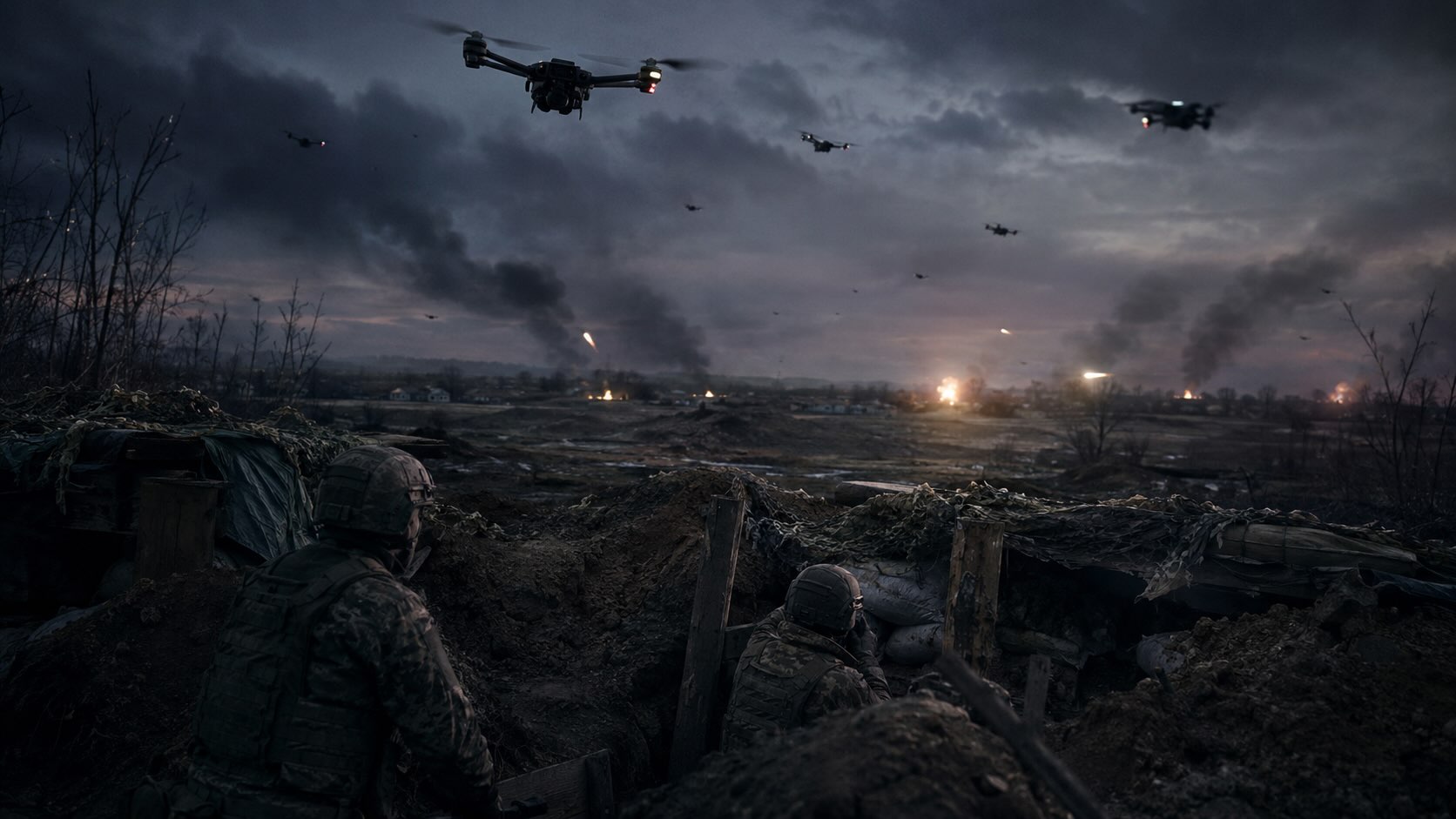
The drone component is particularly significant. The latest Ukrainian figures point to the continuing centrality of UAVs in daily operations, from one-way attack drones to tactical systems used for reconnaissance, targeting and harassment. Even during a formal pause, drones can be used below the threshold of large-scale missile attacks while still causing casualties, disrupting movement and maintaining pressure on opposing positions.
The ceasefire also intersected with prisoner exchange diplomacy. Zelenskyy said preparations were continuing for a 1,000-for-1,000 exchange, with the Ukrainian side having passed its lists to Russia. Such exchanges have previously been one of the few areas where practical wartime arrangements have remained possible despite continued fighting.
The 9–11 May truce therefore appears less a military ceasefire in the full sense than a temporary reduction in selected forms of attack. It did not produce silence along the front, nor did it remove the operational role of drones. For Ukraine and its partners, the episode is likely to reinforce the argument that any more durable ceasefire would require monitoring, enforcement and consequences for violations, not only public declarations.
For NATO and European defence officials, the lesson is also operational. The war’s drone-heavy character means that ceasefire verification can no longer focus only on artillery, armour and aircraft. It must also account for low-cost UAVs, loitering munitions, reconnaissance platforms, electronic warfare and localised front-line activity, all of which can continue below the level of strategic missile strikes.
The immediate effect of the May ceasefire was therefore limited. It may have reduced the risk of major long-range escalation around Russia’s Victory Day commemorations, but it did not suspend the war on the ground. The front remained active, civilians were still reported killed or injured, and drones continued to shape the battlefield.