This week’s landmark military exercise in the Philippines, during which Japanese forces fired anti-ship missiles from foreign soil for the first time in the post-war era, marked far more than a symbolic shift. It was a declaration that Japan has finally recognised the strategic reality confronting Asia: the defence of Taiwan, the security of Japan and the stability of the wider Indo-Pacific are inseparable.
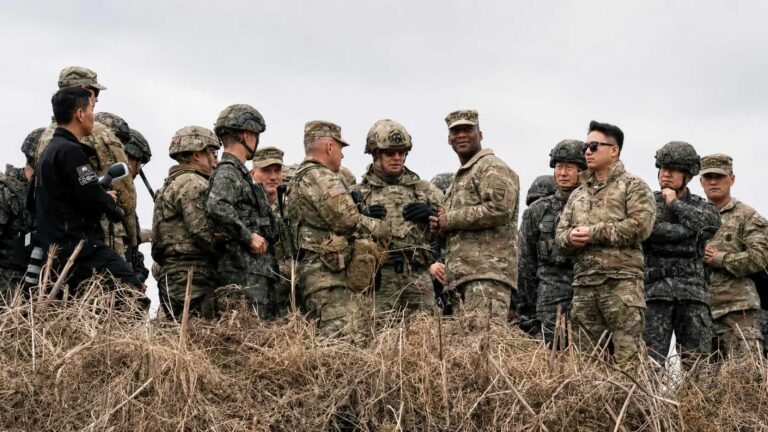
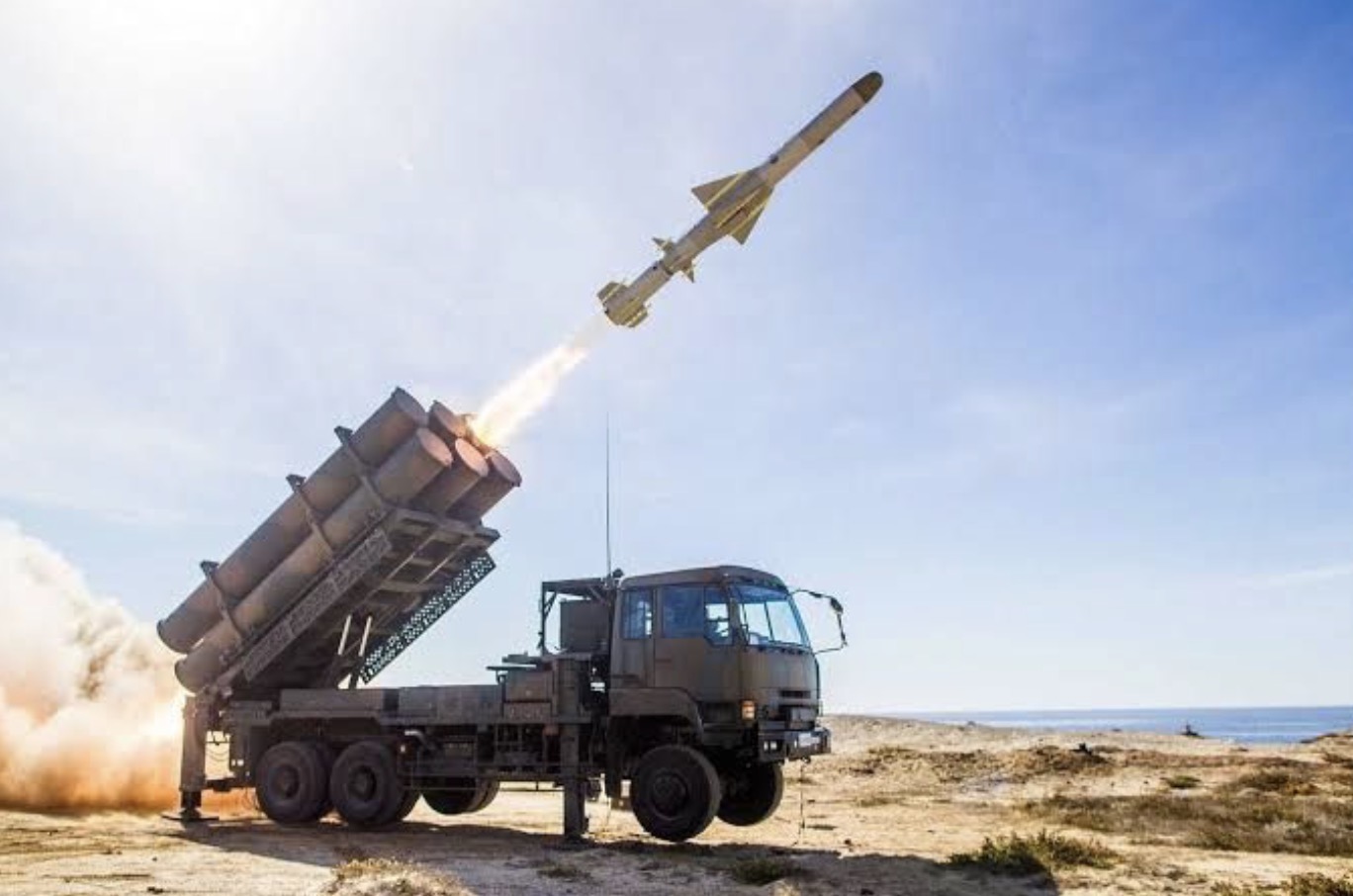
The launch took place during the annual Balikatan exercises involving the Philippines, the United States and allied forces. Japanese Ground Self-Defense Force units fired Type 88 surface-to-ship missiles from northern Luzon towards a target vessel in nearby waters. The missiles struck successfully after a six-minute flight, demonstrating a level of operational confidence that would have been politically unthinkable in Tokyo only a decade ago.
Predictably, Beijing reacted with fury. Chinese state media accused Japan of “neo-militarism” and warned of threats to regional peace. Yet such criticism rings hollow coming from a regime that has spent years militarising the South China Sea, threatening Taiwan almost daily with air and naval incursions, and bullying its neighbours with growing aggression.
Japan’s actions are not those of a revanchist power. They are the sober response of a democratic nation that understands the strategic map better than many of its Western allies.
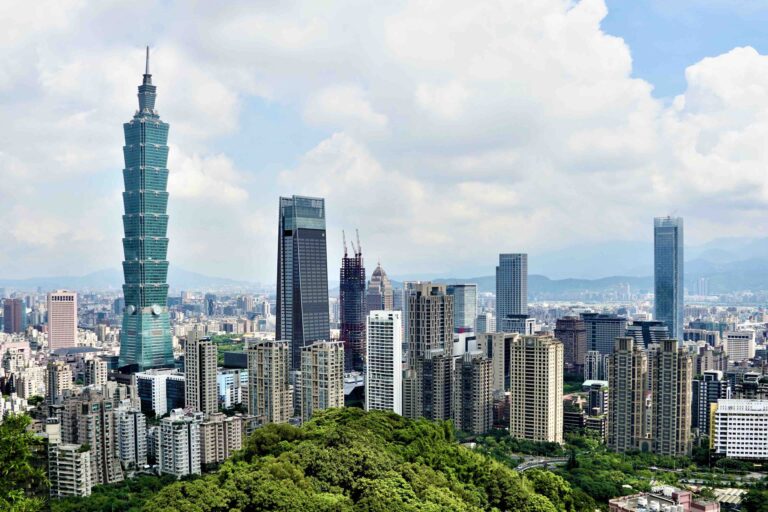
If Taiwan were to fall under Chinese control, Japan would immediately face a transformed security environment. Chinese naval forces would gain vastly improved access to the Pacific, placing pressure on vital Japanese sea lanes and threatening the Ryukyu island chain stretching south-west from Okinawa. Japanese leaders increasingly understand that Taiwan is not some distant diplomatic abstraction. It is the frontline.
Indeed, former Japanese prime minister Shinzo Abe famously warned that “a Taiwan emergency is a Japanese emergency”. What once sounded provocative now appears merely obvious.
The geography alone explains why Tokyo is hardening its stance. The Luzon Strait between Taiwan and the Philippines is one of the key maritime chokepoints in Asia. By conducting missile exercises from Philippine territory facing these waters, Japan signalled that it intends to help secure the so-called “First Island Chain” — the defensive arc running from Japan through Taiwan to the Philippines that constrains Chinese naval expansion.
There is also a growing maturity to Japan’s foreign policy. For too long, successive Japanese governments relied almost entirely on the American security umbrella while hoping economic engagement might moderate Beijing’s behaviour. That illusion has evaporated.
Under increasing Chinese pressure, Tokyo has begun rebuilding military capabilities at remarkable speed. Defence spending is rising sharply, long-standing restrictions on weapons exports are being loosened, and Japan is investing in advanced missile systems and counter-strike capabilities.
Critics in Europe often misunderstand this transformation. They continue to view any expansion of Japanese military power through the prism of the 1930s. But modern Japan is not Imperial Japan. It is one of the world’s most stable democracies, governed by the rule of law and deeply integrated into the Western alliance system. Its growing military confidence should reassure, not alarm, free nations.
The alternative — a passive Japan watching China dominate East Asia — would be vastly more dangerous.
Equally significant is the emerging partnership between Japan and the Philippines. Manila has endured years of Chinese harassment in disputed waters, including repeated confrontations around Second Thomas Shoal and other contested areas in the South China Sea. Faced with mounting pressure, the Philippines has increasingly turned towards Washington, Tokyo and Canberra for support.
Japan has responded enthusiastically. Discussions are already under way concerning potential Japanese missile exports and further defence cooperation with Manila. Such cooperation benefits both nations. The Philippines gains badly needed deterrent capability, while Japan strengthens a network of regional allies committed to preserving freedom of navigation and resisting coercion.
None of this means war is inevitable. On the contrary, credible deterrence remains the best guarantee of peace.
Beijing’s calculations depend heavily on perceptions of weakness and division among democratic powers. If China concludes that Taiwan can be isolated and overwhelmed without meaningful resistance, the danger of conflict rises dramatically. But if Japan, the United States, Australia and regional partners demonstrate preparedness and resolve, the chances of preserving peace improve considerably.
That is why this week’s missile launch matters.
For the first time since 1945, Japanese missiles were fired from foreign soil in a multinational military exercise. To some, that image may appear unsettling. In truth, it should be welcomed as evidence that democratic nations in Asia are finally waking up to the scale of the challenge before them.
Japan’s support for Taiwan is not reckless adventurism. It is prudent statecraft grounded in geography, history and strategic necessity.
The western Pacific is entering a more dangerous era. Democracies can no longer afford comforting illusions. Tokyo, to its credit, appears to understand this before many others do.
Japan Is Right to Prepare for Military Action if China Strikes Taiwan