Israeli forces have expanded military operations in Lebanon after a sharp escalation in Hezbollah rocket and drone attacks against northern Israel and Israeli military positions.
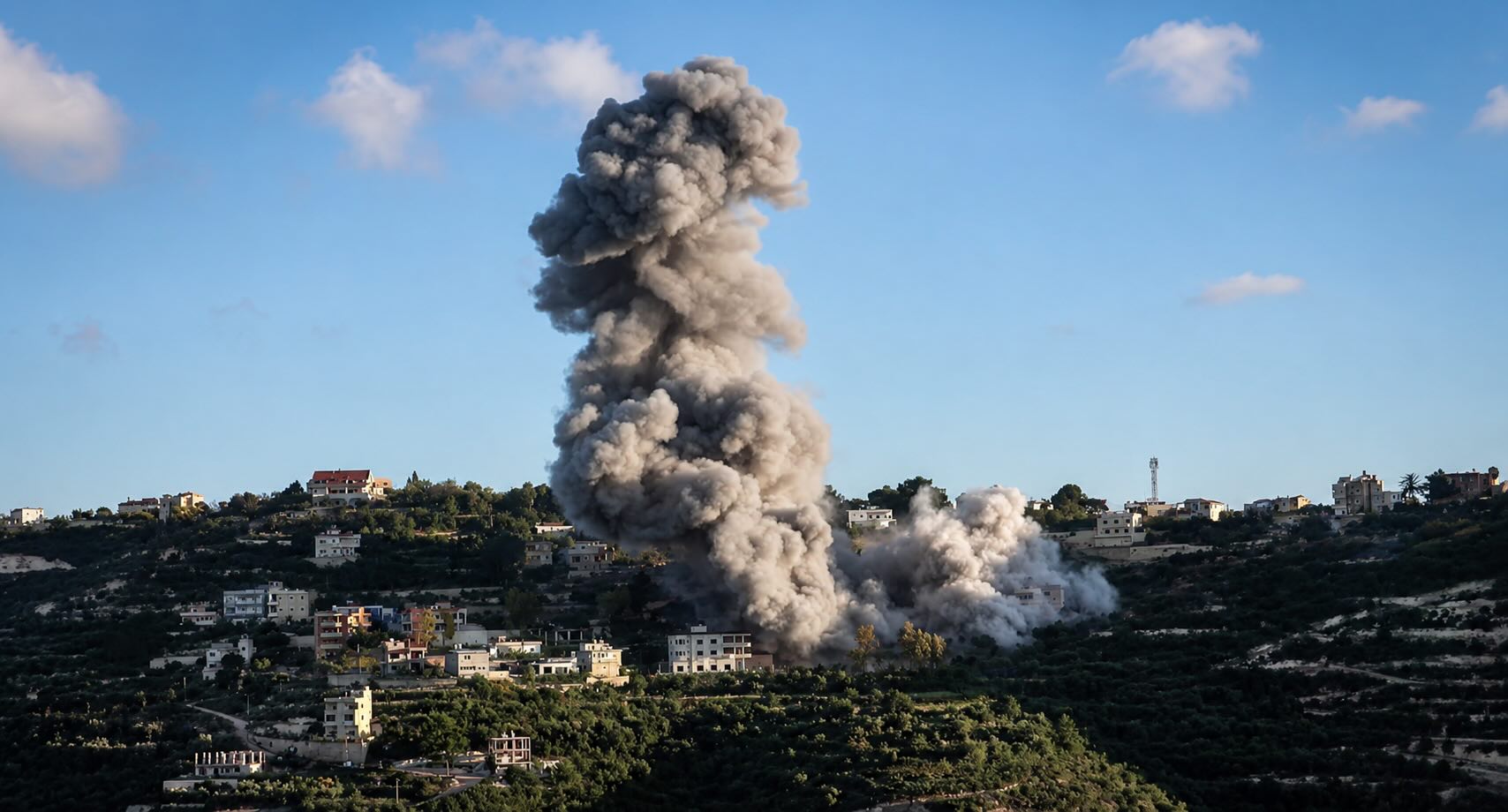
The latest fighting has centred on southern Lebanon and areas around the Litani River, a strategic line in the Israel-Hezbollah conflict. According to the Associated Press, Israeli forces clashed with Hezbollah along the Litani on Tuesday, while Israel also intensified air strikes across southern Lebanon and the Bekaa Valley.
The escalation comes despite a fragile ceasefire arrangement announced in April. That truce has failed to halt daily exchanges of fire, and both sides now appear to be operating under conditions closer to open conflict than controlled containment. Israel says Hezbollah has continued to fire rockets, artillery and drones, including fibre-optic drones, at Israeli forces and communities in the north. Hezbollah says its attacks are a response to Israel’s continued operations inside Lebanon.
Prime Minister Benjamin Netanyahu has vowed to intensify the campaign, saying Israel will increase its strikes against Hezbollah. The Israeli military said it had targeted Hezbollah sites in Lebanon, including in the Bekaa Valley, while Lebanese state media reported civilian casualties and displacement following Israeli strikes. The Israeli military’s latest strikes came after Hezbollah claimed responsibility for several attacks on Israeli military positions, including a drone strike near Misgav Am.
The Litani River is central to the current phase of the conflict. Under UN Security Council Resolution 1701, adopted after the 2006 Lebanon war, the area between the Blue Line and the Litani was intended to be free of armed groups other than the Lebanese state and UN peacekeepers. In practice, Hezbollah’s military presence in southern Lebanon has remained one of the unresolved issues at the centre of the dispute.
Israel’s immediate objective appears to go beyond limited retaliation. The campaign is aimed at pushing Hezbollah away from the border area, reducing its drone and rocket capability, and changing the security situation in southern Lebanon. Earlier reporting by Axios said Israel had been preparing a wider ground operation aimed at controlling the area south of the Litani and dismantling Hezbollah’s military infrastructure there.
The political dimension inside Lebanon is equally significant. The Lebanese government has sought to reassert state authority while avoiding a direct confrontation with Hezbollah, whose military wing remains stronger than the national army in parts of the country. The conflict has revived the central unresolved question in Lebanese politics: whether the state can negotiate security arrangements with Israel while Hezbollah retains an independent armed structure.
Claims that the Lebanese army has manoeuvred in a way that avoids confrontation with Israeli forces should be treated cautiously unless confirmed by official Lebanese or Israeli statements. However, the wider pattern suggests that Beirut is trying to prevent the national army from being drawn into a war it cannot control. The Lebanese government’s room for manoeuvre remains narrow: it must balance domestic pressure, Hezbollah’s political influence, and external pressure from Israel and the United States.
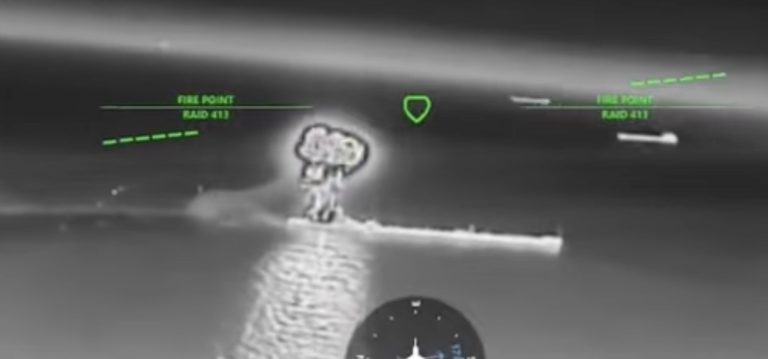
The timing is also important because the Lebanese front is now connected to the wider confrontation involving Iran and the United States. US forces carried out strikes in southern Iran against boats suspected of laying mines and missile launch sites. US Central Command described the operation as defensive action intended to protect American forces.
Washington has maintained that diplomacy with Tehran continues, but the distinction between negotiation and military pressure is becoming harder to sustain. The United States is seeking to prevent the Iran conflict from spreading further, while also giving Israel broad operational room against Hezbollah, Iran’s most important regional proxy.
For Israel, the northern front has become both a military and political test. Hezbollah’s use of drones has increased pressure on the government to act more forcefully. Drone attacks have struck military targets and, according to Israeli accounts, civilian areas in the north. The use of fibre-optic systems, which are harder to jam than conventional radio-controlled drones, has added to the operational challenge.
The risk is that a campaign intended to weaken Hezbollah could develop into a broader Lebanon war, particularly if Israeli forces push deeper north of the Litani or if Hezbollah responds with longer-range strikes. A second risk is that Iran may choose to link the Lebanese front more directly to its confrontation with the United States, turning Lebanon into another pressure point in a regional conflict already involving the Gulf, the Red Sea and the Strait of Hormuz.
For now, the immediate picture is one of rapid escalation: intensified Israeli strikes, Hezbollah drone and rocket attacks, civilian displacement, and renewed US-Iran military exchanges alongside diplomacy. The April ceasefire has not collapsed formally, but it has lost much of its practical meaning. Unless a new political framework is reached, the Lebanese front is likely to remain one of the most dangerous theatres in the wider Middle East crisis.