Ukraine’s reported drone strikes on Russian-linked tankers in the Sea of Azov point to a broader campaign against maritime logistics feeding occupied Crimea and Russia’s southern war effort.
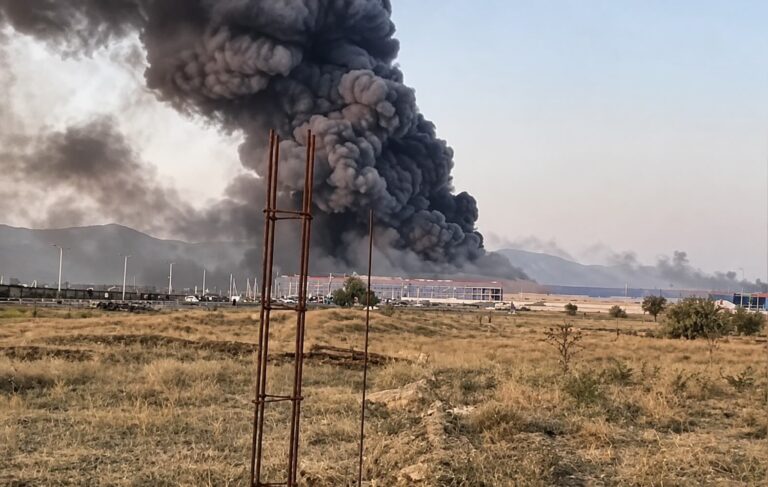
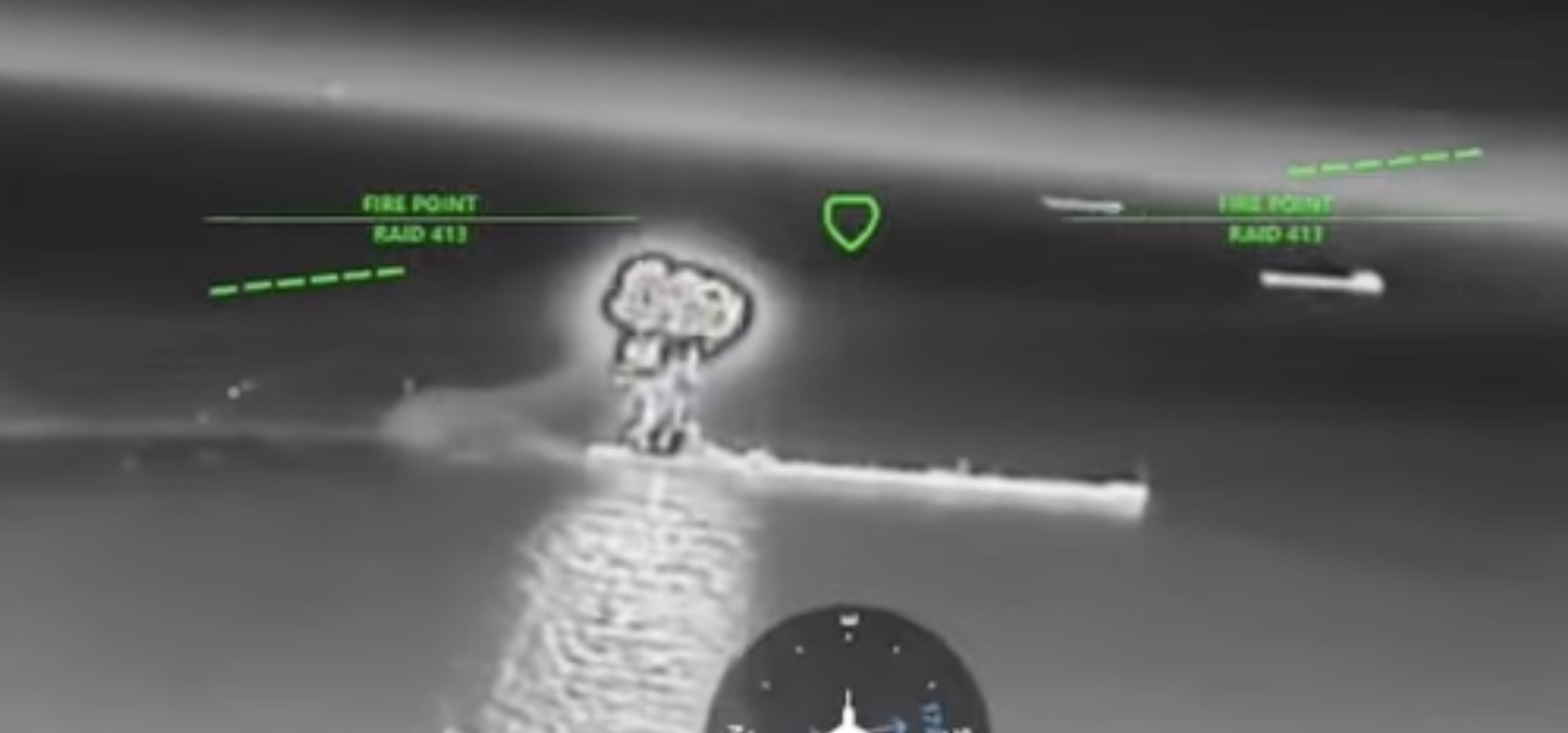
Ukraine’s reported drone strikes on Russian-linked tankers in the Sea of Azov mark a significant extension of Kyiv’s campaign against Russia’s military fuel system. The target set is shifting from refineries and ports towards maritime logistics used to sustain occupied Crimea and Russian forces in the south.
Ukrainian officials said drones hit tankers overnight, describing the vessels as linked to sanctions circumvention and fuel supply. The operational significance lies less in the individual ships than in the route they represent. Russia has increasingly relied on workarounds to move fuel, equipment and goods under sanctions pressure. Maritime logistics in the Black Sea and Sea of Azov are part of that system.
The Sea of Azov is strategically sensitive because it connects Russian-controlled ports, occupied Ukrainian territory and the approaches to Crimea. Since Russia’s full-scale invasion, the region has become both a military logistics space and a contested maritime zone.
Ukraine has spent months striking Russian refineries, depots and fuel infrastructure. Defence Matters recently covered how Russia’s diesel export ban turned Ukraine’s refinery campaign into a global fuel-market issue. The tanker strikes should be read as a maritime extension of the same logic.
Refineries produce the fuel. Depots store it. Tankers and transport routes move it. If Ukraine can pressure all three layers, Russia faces a more complex logistics problem.
That is especially important for Crimea. The peninsula remains central to Russia’s southern military posture, Black Sea operations, air defence and logistics. Fuel supply is essential for military vehicles, generators, aircraft support, naval activity and occupation infrastructure.
The tanker angle also connects the military campaign to sanctions enforcement. Russia has adapted to Western restrictions by using complex ownership structures, reflagged vessels, ship-to-ship transfers and opaque trade networks. Tankers linked to sanctions circumvention are not just commercial assets. They can become part of the infrastructure that keeps Russia’s war economy moving.
Ukraine’s strikes therefore create a convergence between military targeting and economic pressure. A tanker suspected of supporting fuel supply to Russian forces is both a logistics node and a sanctions problem.
That does not remove legal and escalation questions. Attacks on shipping carry risks, especially where vessels have complex ownership, foreign crews or ambiguous cargoes. But in military terms, maritime fuel logistics are a natural target if they sustain Russian operations in occupied territory.
The strikes fit a wider effort to isolate Crimea. Ukraine has targeted bridges, ferries, air bases, fuel depots, air-defence systems and naval assets. The goal is not necessarily to cut Crimea off in a single dramatic operation. It is to make the peninsula more expensive, vulnerable and difficult to sustain.
If tanker movements become riskier, Russia may have to rely more heavily on alternative routes, increase escorts, disperse storage, or divert air-defence and surveillance assets. Each adaptation carries cost.
The Sea of Azov also complicates Russian assumptions about sanctuary. Moscow once treated the area as a controlled rear space. Ukrainian long-range drones and maritime strike capabilities are eroding that confidence.
The tanker strikes show that Ukraine’s campaign is becoming more systemic. It is not just hitting spectacular targets. It is looking for the connective tissue of Russia’s war machine: fuel, ports, tankers, depots, rail links and logistics nodes.
That is an important evolution. Modern war is not won only by destroying combat units. It is shaped by the ability to sustain them. Fuel supply is one of the least glamorous but most decisive parts of that system.
For Russia, the challenge is now layered. It must protect refineries deep inside the country, maintain fuel supply to occupied Crimea, manage sanctions workarounds and defend maritime routes that are no longer safe.
For Ukraine, the risk is that maritime attacks invite Russian retaliation against ports and civilian shipping. But Kyiv appears to be betting that the pressure on Russia’s logistics network is worth the escalation risk.
The Sea of Azov strikes therefore matter because they connect three campaigns: the drone war, the sanctions war and the fight to isolate Crimea.