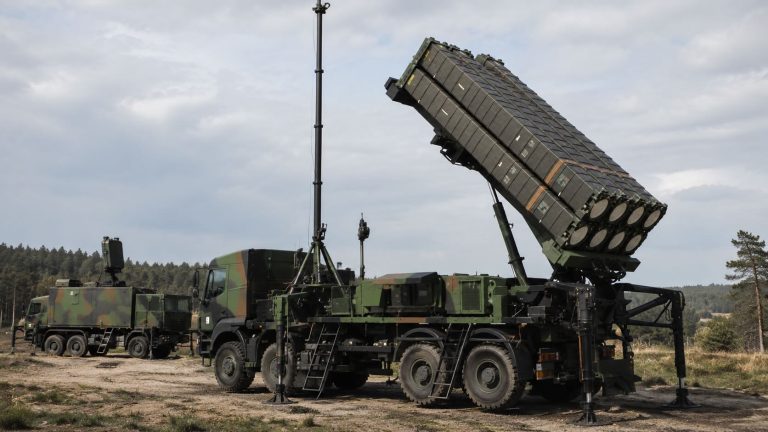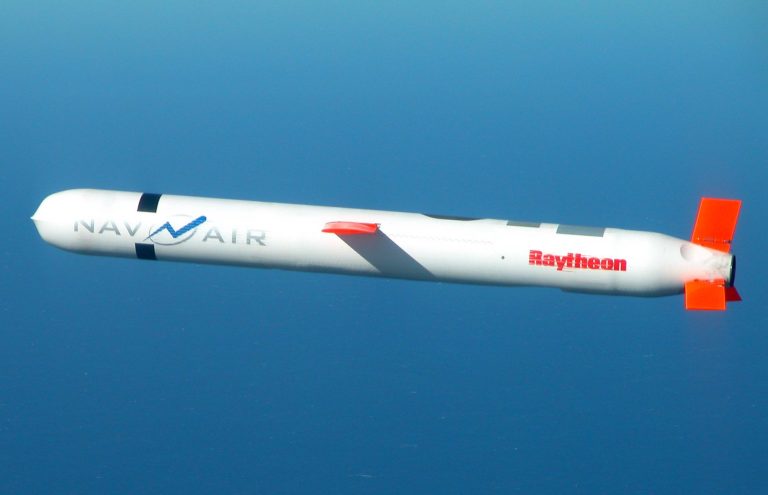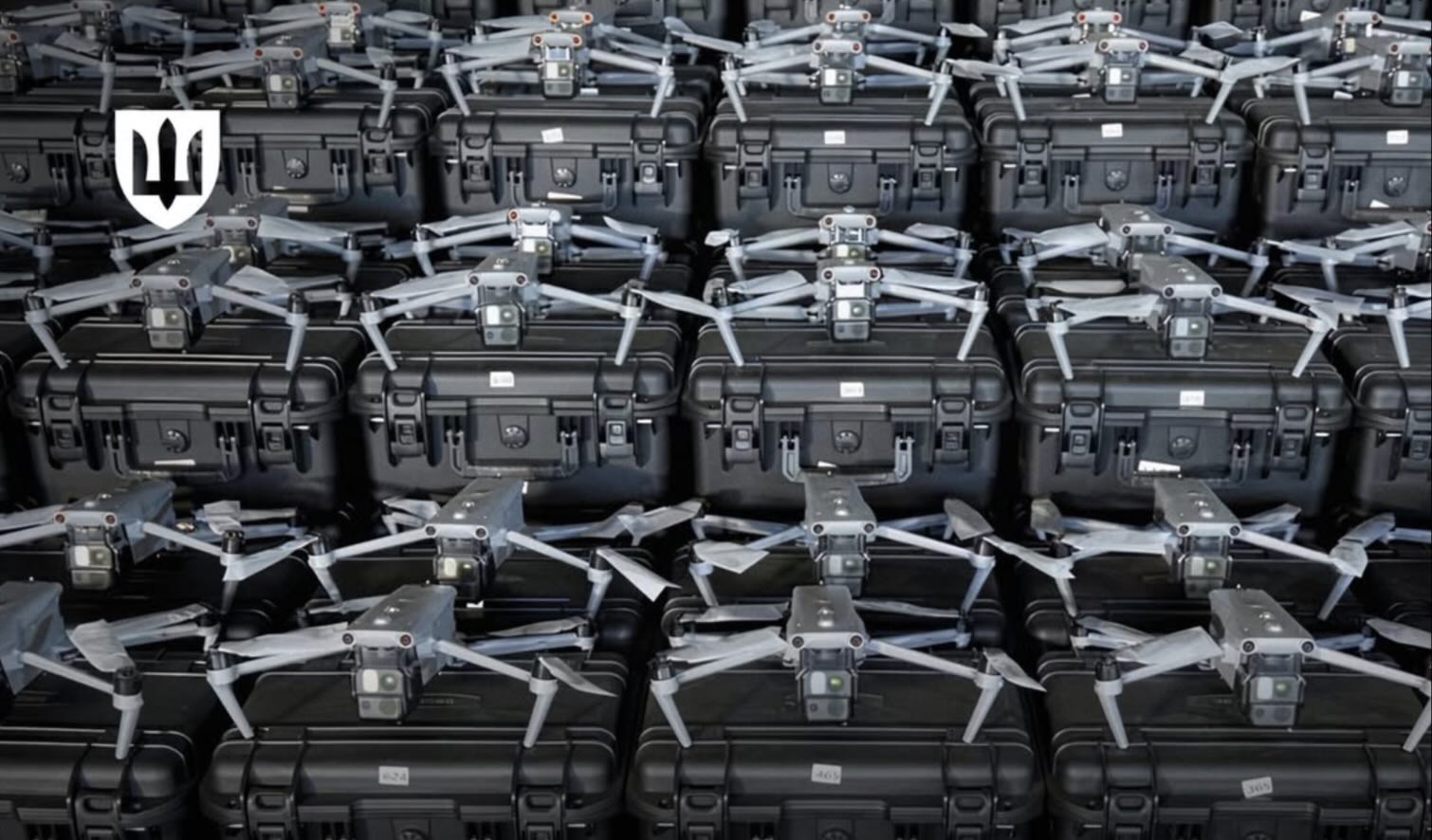
Ukraine has launched a new defence programme called “Logistics Lockdown”, designed to expand strikes against Russian military infrastructure behind the front line and make it harder for Moscow’s forces to sustain offensive operations.
The initiative was announced by Ukraine’s Defence Minister Mykhailo Fedorov, who said the programme would scale up Ukraine’s use of “middle strike” systems and support the “systematic destruction” of Russian capabilities at operational depth. In practical terms, this means hitting the rear-area network that enables Russian assaults: ammunition depots, fuel points, drone infrastructure, headquarters, air defence systems, radars, transport routes and logistics hubs.
Fedorov said Ukraine’s task was to increase pressure on Russian forces in the rear and deprive them of the ability to conduct active assault operations. Defence Minister Mykhailo Fedorov announced the programme, saying Ukraine would scale up middle-strike attacks against Russian rear-area logistics and operational infrastructure as part of an effort to create what he called a “logistics lockdown” for Russian forces. The initiative is intended to make Russia’s operational rear less secure by targeting the systems that support front-line assaults, including ammunition depots, fuel supplies, drone infrastructure, headquarters, air defence assets and transport routes.
The first stage involves an additional 5 billion hryvnias allocated by the Defence Ministry and the General Staff directly to military units for the purchase of modern middle-strike systems. The funds will go to the most effective brigades and specialist units under the e-Baly system, which directs resources to teams with proven results in destroying Russian targets at operational depth. According to Fedorov, the first units have already received money and direct procurement has started.
A second stage will involve centralised tenders for a large batch of middle-strike systems. Fedorov said open competitions would allow Ukraine to scale production more quickly, increase competition among manufacturers, reduce corruption risks and ensure more efficient use of state funds. The minister said the first results from the centralised purchases should be visible on the battlefield this summer.
The programme matters because Russia’s front-line pressure depends on a rear network that must function continuously. Troops at the line of contact require ammunition, fuel, drones, vehicle repairs, communications, medical evacuation, air defence cover and command structures. If these systems are hit at a distance of tens or more than 100 kilometres from the front, Russian units may still be able to attack, but at a higher cost and with less operational flexibility.
Ukraine’s Defence Ministry has previously described middle-strike operations as attacks on targets at a distance of around 20 to 150 kilometres, including warehouses, headquarters, air defence systems and logistics assets. In an update published earlier in May, the ministry said the number of such strikes in April doubled compared with March and quadrupled compared with February, directly affecting the situation on the front and weakening Russian capabilities. The ministry’s figures were set out in a wider battlefield assessment on Russian losses and strike effectiveness published by the Ukrainian Defence Ministry.
President Volodymyr Zelenskyy has also identified middle strikes as one of Ukraine’s priorities for the coming months. In late April, he said Ukraine had already contracted five times more middle-strike capabilities this year than last year, and that procurement and production would continue to expand. His remarks were reported by Ukrinform, following a meeting with Fedorov on the development of Ukraine’s strike capabilities.
Ukraine’s Medium-Range Drone Strikes Put Pressure on Russia’s Land Corridor to Crimea
The logic is different from deep strikes against distant oil refineries or military-industrial sites inside Russia. Middle strikes focus on the operational zone: far enough from the front to affect Russian planning and supply, but close enough to have a direct impact on the tempo of ground operations. Their purpose is to degrade the machinery that keeps Russian units moving, supplied and protected.
Recent battlefield reporting has pointed to Ukraine’s growing use of mid-range strike drones against Russian radars, logistics sites, command posts and air defence assets. A Reuters report earlier this month said Kyiv had stepped up medium-range strikes on Russian forces, with Zelenskyy describing the category as one of the country’s key military priorities. A separate Reuters report described the strikes as having a double effect: weakening Russian battlefield logistics while also degrading air defence systems that protect deeper targets.
For Ukraine, the “Logistics Lockdown” programme also reflects a procurement shift. Rather than relying only on centralised state purchasing, Kyiv is channelling money directly to units that have demonstrated results and can buy systems suited to their operational needs. At the same time, larger tenders are intended to give domestic manufacturers predictable demand and help scale production.
This approach is consistent with Ukraine’s wider wartime defence technology model, which has relied heavily on rapid adaptation, domestic manufacturers and feedback from front-line units. Fedorov has previously linked the expansion of strike systems to faster procurement through digital platforms and direct military purchasing. Ukrainian outlet LB.ua reported this week that Ukrainian forces had received 485,000 drones and other items through the DOT-Chain Defence marketplace in 2026, with orders worth 31.4 billion hryvnias.
The expected effect of “Logistics Lockdown” is cumulative rather than immediate. Its success will depend on whether Ukraine can sustain the supply of middle-strike systems, identify targets reliably, and coordinate strikes with front-line needs. If implemented at scale, it could make Russian rear areas more vulnerable, complicate the movement of ammunition and fuel, and reduce Moscow’s ability to concentrate forces for assaults.
Fedorov’s central message was that distance from the front should no longer give Russian units a sense of security. For Ukraine, the programme is intended to turn that message into an operational system: find the infrastructure that supports Russian attacks, fund the units best able to hit it, and increase the number of strikes until the rear becomes a constraint on Russia’s front-line operations.