Ukraine appears to have carried out another broad overnight strike campaign against Russian rear-area infrastructure, with explosions reported in Tuapse, Taganrog, Voronezh and occupied Crimea in the early hours of May 27. The attacks, which remain partly unconfirmed by Kyiv, fit a wider pattern of Ukrainian strikes intended to reduce Russia’s capacity to sustain air operations, fuel supplies and long-range attacks against Ukrainian cities.
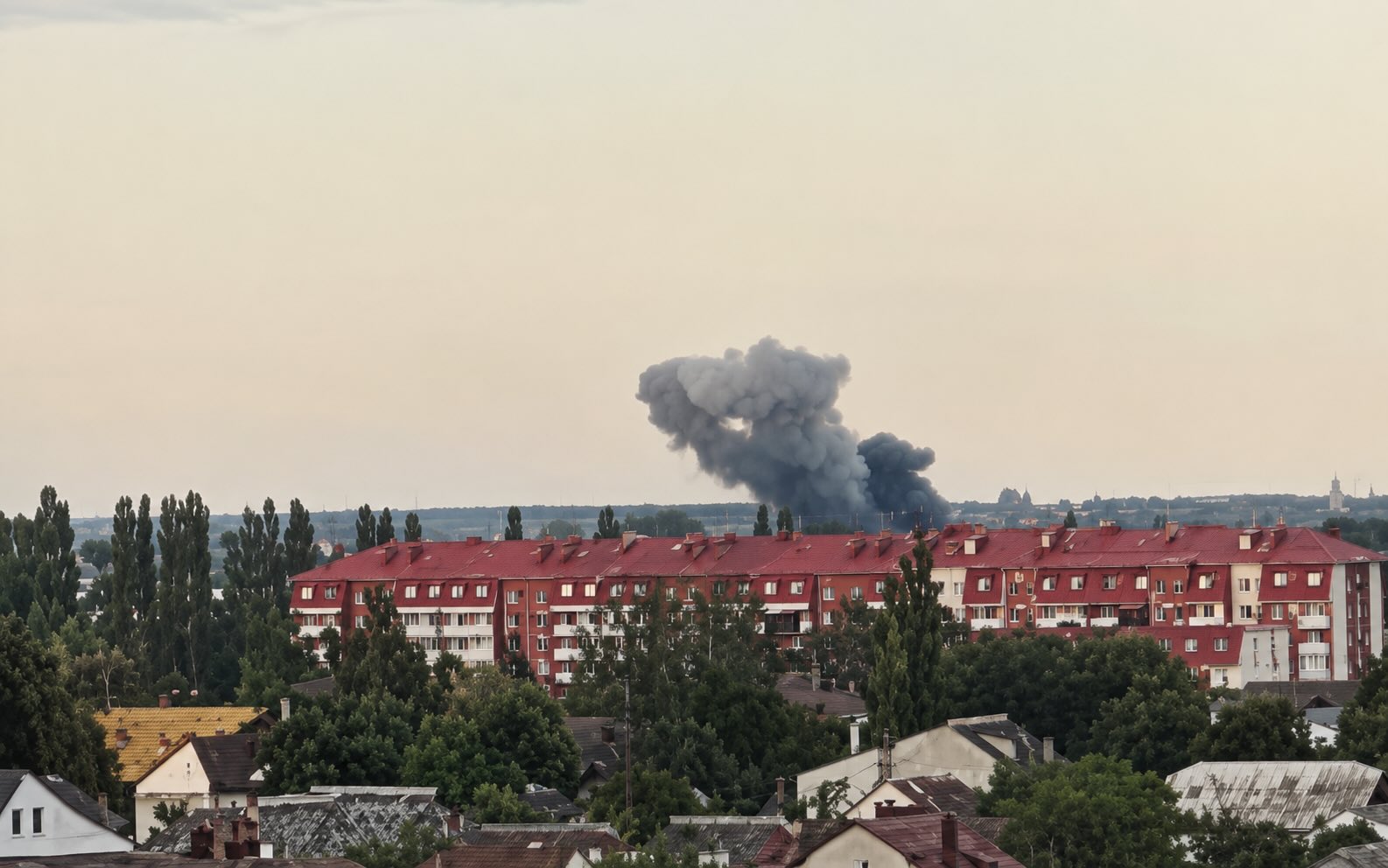
Early reports of the latest strikes described explosions and fires across several Russian regions and occupied Crimea, including Tuapse in Krasnodar Krai, Taganrog in Rostov Oblast, Voronezh, Sevastopol and Simferopol. In Voronezh, smoke was reported near the Baltimor military airfield, which hosts Russian bomber aviation assets and has previously been identified as a launch point for air operations against Ukraine. Local Russian officials said air defences had intercepted “high-speed targets”, while damage from debris was reported in the area.
The Baltimor airfield is a significant target because of its role in supporting Russian tactical aviation. Ukraine has repeatedly sought to disrupt the infrastructure behind Russian bombing operations, including airfields, ammunition storage sites, command facilities and air defence systems. If the reported strike on Voronezh involved long-range cruise missiles, as some Russian and Ukrainian monitoring channels suggested, it would underline Kyiv’s continued ability to reach defended targets inside Russia.
Taganrog was also reported to have come under attack, with smoke visible from parts of the city. Preliminary reports cited a facility involved in aviation maintenance and repair. Such sites are relevant to Russia’s war effort because they support aircraft availability, transport capacity and the movement of military equipment. Even when strikes do not destroy aircraft directly, damage to repair infrastructure can reduce the speed at which Russia can return damaged or worn aircraft to service.
In Tuapse, reports again pointed to an attack on oil infrastructure. The Black Sea port and refinery area has been targeted several times this spring, with previous strikes causing fires and disruption at facilities linked to refining and export operations. Ukraine has increasingly treated Russian oil processing and logistics infrastructure as part of the military economy that finances and sustains Moscow’s war. Last week, Ukraine said its drones had struck the Syzran oil refinery in Samara region, more than 800 kilometres from the Ukrainian border, in what President Volodymyr Zelenskyy described as another “long-range sanction” against Russian oil refining.
The cumulative effect of these attacks is becoming visible in Russia’s own security debate. Russian industrial leaders have asked the Kremlin for heavier weapons, electronic warfare systems and clearer funding mechanisms to protect industrial facilities from drones. According to Reuters reporting on Russian business concerns, oil refineries, storage sites, fertiliser plants and ports have been among the sectors affected by the surge in Ukrainian long-range attacks.
The latest wave also comes against a tense diplomatic background. Russia has warned of further strikes on Kyiv and urged foreign citizens and diplomats to leave the Ukrainian capital. The EU and several member states responded by summoning Russian envoys, while the EU delegation said it would remain in Kyiv. Germany, Norway, the Netherlands, Poland and Sweden also issued protests or diplomatic responses to Moscow’s warnings.
For Ukraine, the military logic is clear. Strikes on airfields are intended to complicate Russian aviation operations. Strikes on repair plants can slow maintenance cycles. Attacks on refineries, depots and fuel distribution points can affect logistics, mobility and revenue. Operations against occupied Crimea and the Russian-occupied Donbas are similarly designed to disrupt military command, power, transport and supply networks behind the front line.
Kyiv has not confirmed all details of the May 27 incidents, and the full damage assessment remains unclear. However, the geographical spread of the reported attacks suggests that Ukraine is continuing to combine drones, missiles and other long-range systems in an effort to stretch Russian air defences across a wider area. The strategic purpose is not only to inflict immediate damage, but also to force Moscow to disperse limited air defence assets, increase the cost of protecting industrial facilities, and reduce the reliability of Russia’s rear-area military infrastructure.
The overnight strikes therefore should be seen less as isolated events than as part of a sustained campaign. Russia continues to launch large-scale missile and drone attacks on Ukrainian cities, while Ukraine is expanding its ability to hit military and industrial targets that support those attacks. The result is a war increasingly fought not only along the front line, but also across the infrastructure networks that enable each side to sustain operations.