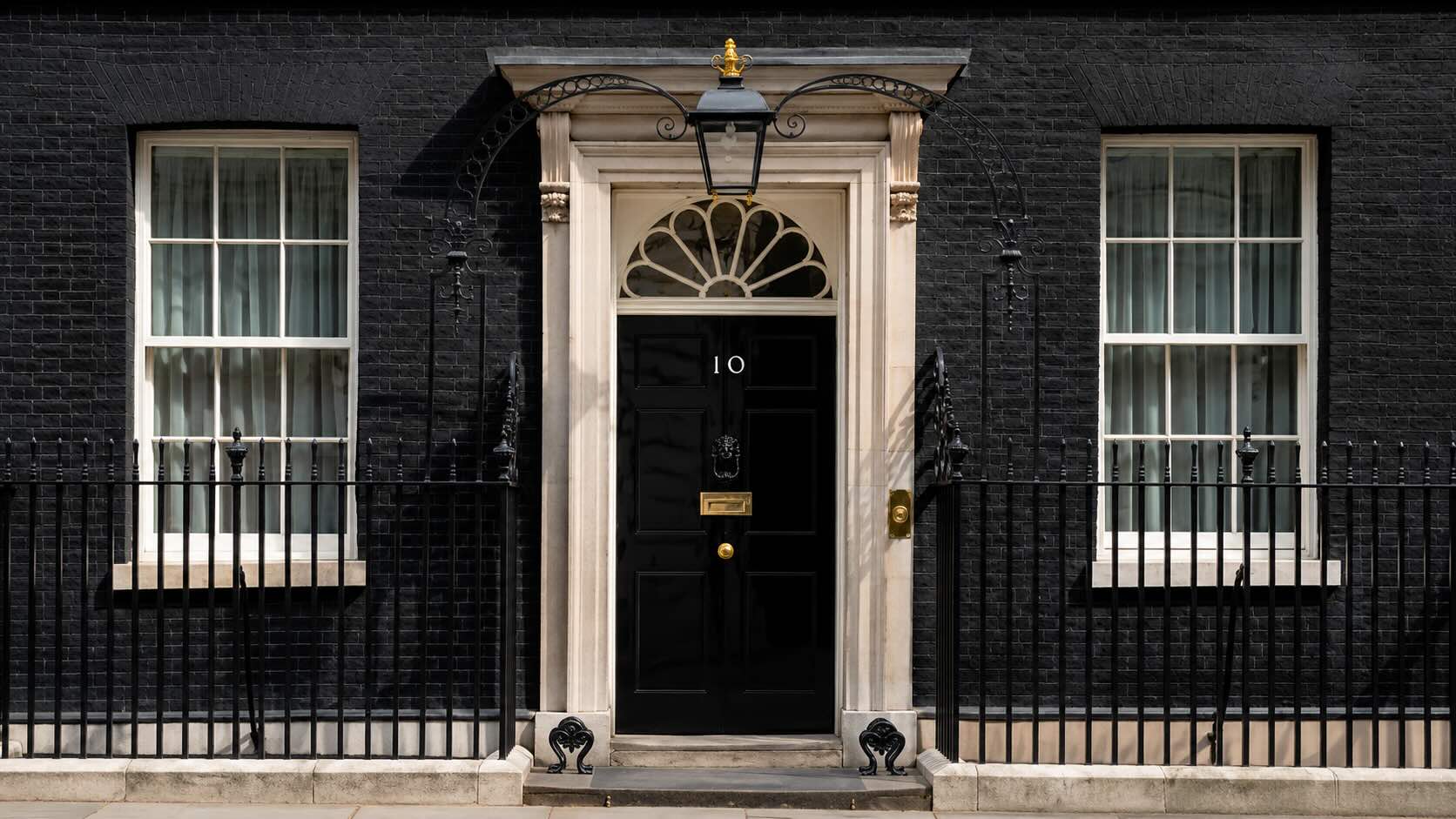
The talks, hosted by UK Prime Minister Keir Starmer in Downing Street, bring together French President Emmanuel Macron, German Chancellor Friedrich Merz and the Ukrainian president after a week in which the war has again moved between battlefield escalation and diplomatic manoeuvre. The meeting, confirmed by the French presidency, is intended to review work on a just and lasting peace in Ukraine and on the European continent.
The London meeting is not significant because it adds another diplomatic photograph to the war. Its importance lies in whether Europe’s three leading military and political powers can give practical shape to commitments that have so far remained partly undefined. Kyiv has repeatedly sought long-term guarantees that would deter renewed Russian aggression if a ceasefire or peace arrangement were ever reached.
For Ukraine, declarations of support are no longer sufficient. The question is what European states would be prepared to do, what capabilities they could provide, and how far they would go in the absence of a fully defined American commitment. The issue has become sharper as Washington remains preoccupied with other crises and as President Donald Trump continues to press for diplomacy while limiting clarity on future security arrangements.
France and Britain have taken the most forward position among major European powers on possible post-war security guarantees. London and Paris have previously discussed a Coalition of the Willing that could support Ukraine after a ceasefire, including through multi-layered security guarantees and a possible multinational force. Germany has been more cautious, reflecting domestic political limits, military readiness concerns and the need to avoid commitments that could be interpreted as direct participation in the war.
That division does not mean Europe is paralysed, but it does show the difficulty of translating political support into enforceable security guarantees. A guarantee that lacks military content may not deter Moscow. A guarantee that implies direct military exposure requires political consent, public explanation and operational planning. Europe has not yet resolved that balance.
The meeting also follows Zelenskyy’s call for direct talks with Russian President Vladimir Putin. Moscow rejected the proposal and repeated its core war aims, including claims over Ukrainian territory. That rejection has strengthened Kyiv’s argument that pressure on Russia must continue and that any negotiation process without credible security backing would leave Ukraine exposed.
The European leaders therefore face two related tasks. The first is to sustain military and financial support while the war continues. The second is to define what Europe’s role would be if diplomacy moved towards a ceasefire. These are not the same question. Supplying weapons during the war is politically difficult but familiar. Guaranteeing Ukraine’s future security after a ceasefire would require a different level of strategic commitment.
For Britain, the London meeting is a chance to reinforce its position as one of Ukraine’s principal European backers. The UK has tried to maintain a leading role in defence support, sanctions coordination and coalition-building, including through its long-term security cooperation agreement with Ukraine. Starmer’s hosting of the talks also signals that London wants to remain central to European security policy despite being outside the European Union.
For France, the meeting continues Macron’s effort to push Europe towards greater strategic responsibility. Paris has argued that Europe cannot simply wait for US decisions and must prepare for a scenario in which its own security is more directly tied to Ukraine’s survival. This position has at times moved faster than other European capitals are willing to accept.
For Germany, the issue is more delicate. Merz has positioned Berlin as a major supporter of Ukraine, but Germany remains constrained by political caution, military capacity and the legacy of earlier hesitation over major weapons deliveries. Any European security guarantee for Ukraine would be incomplete without Germany, but Berlin is unlikely to accept language that implies an open-ended military obligation without clear limits.
Ukraine’s own position is direct. It needs air defence, ammunition, long-range strike capacity, financing and predictable security commitments. It also needs its European partners to avoid allowing diplomacy to become a substitute for pressure. Kyiv’s concern is that a ceasefire without enforcement would give Russia time to regroup while leaving Ukraine outside NATO and dependent on promises.
The London talks will not settle those questions in one meeting. But they will indicate whether Europe is moving towards a more coherent security framework or continuing to rely on general expressions of solidarity. The difference matters. Russia’s strategy has relied not only on military force but also on the expectation that Western unity will weaken over time.
If the London format can produce a clearer European position, it may strengthen Kyiv before any future negotiations. If it remains vague, the meeting will underline the same weakness that has accompanied much of Europe’s Ukraine policy: strong political language, but uncertainty over how much risk European governments are prepared to assume.
For Ukraine, the problem is immediate. For Europe, it is structural. The war has shown that the continent’s security order cannot be defended by statements alone. The London meeting is therefore a test of whether Europe’s largest powers can move from support for Ukraine to a credible plan for Ukraine’s security.