Canada has been admitted as an observer to the Global Combat Air Programme, marking the first formal expansion of the sixth-generation fighter project beyond its three founding countries. A joint statement from Canada’s Department of National Defence said ministers from Canada, Britain, Italy and Japan met in London on 21 July and welcomed Canada’s observer role.
The statement said observer status will give Canada enhanced insight into GCAP’s governance, capabilities, industrial framework, security requirements and wider partnering opportunities. That language is deliberately limited. Canada is not yet committing money, ordering aircraft or taking a decision-making seat. But the step is still significant because it turns months of discussion about possible expansion into a formal relationship.
Defence Matters previously examined how GCAP expansion exposes Europe’s fighter-jet realignment. At that stage, Canada was one of several possible entrants. The observer decision now makes Ottawa the first country outside the founding trio to be brought inside the programme’s information perimeter.
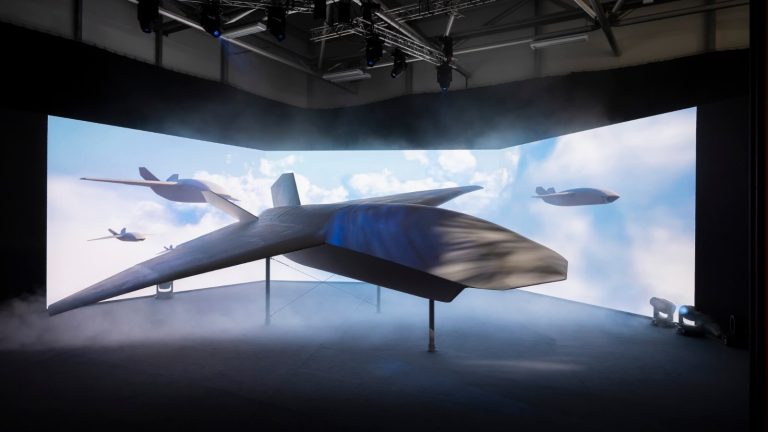
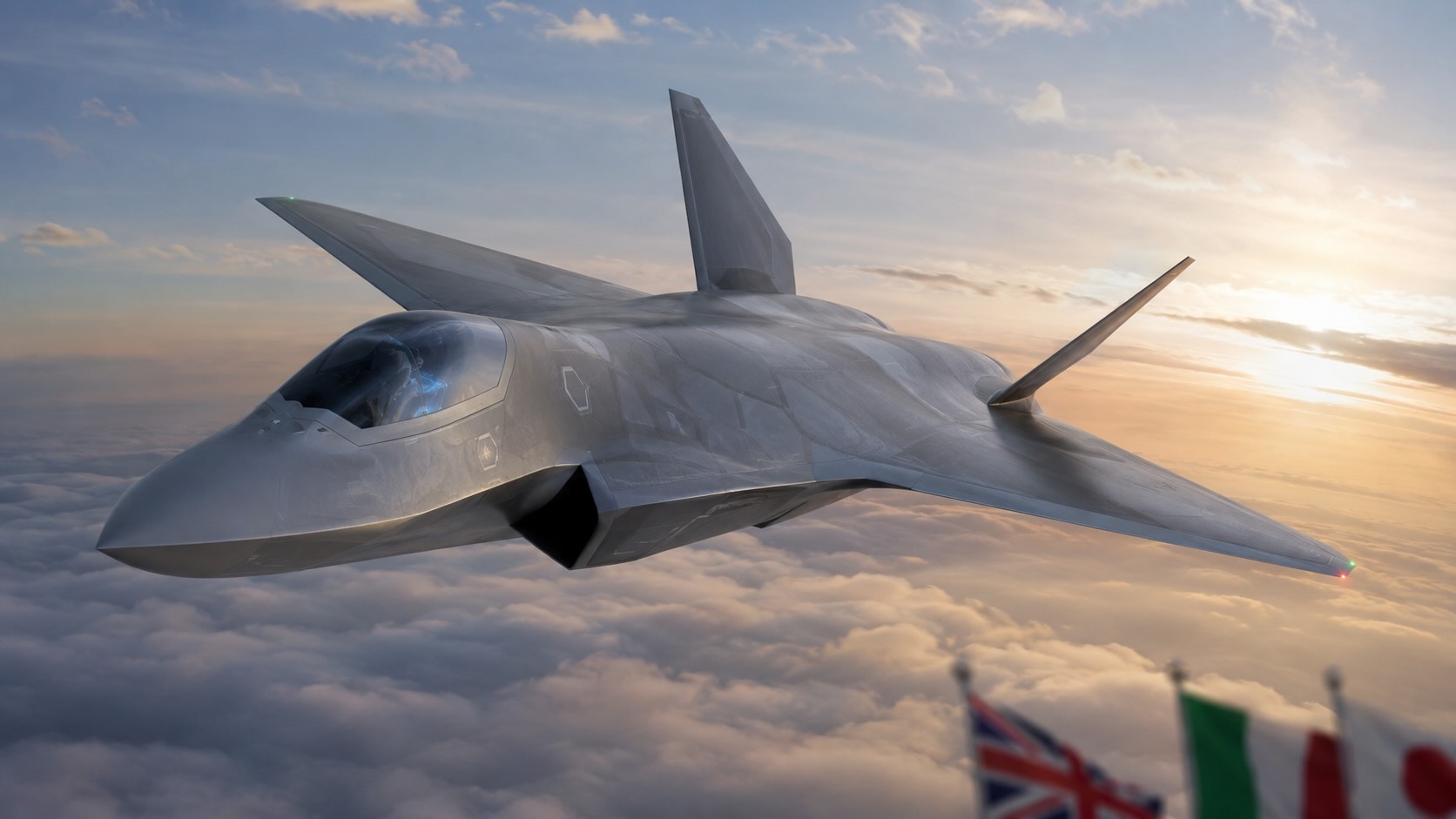
The timing matters. GCAP is intended to deliver a next-generation combat aircraft around 2035, replacing the Eurofighter Typhoon in British and Italian service and Japan’s F-2. The programme is also meant to integrate sensors, weapons, networking, software and crewed-uncrewed teaming. That makes it less a single aircraft than a long-term combat-air ecosystem.
For Canada, observer status creates optionality. Ottawa can study the programme while keeping its current commitments and alternatives alive. It can examine industrial participation, interoperability with allies, export-control issues and operational relevance without immediately joining as a paying partner. That is useful for a government balancing continental defence, NATO obligations, Arctic security and Indo-Pacific considerations.
For GCAP, Canada brings potential advantages. It is a NATO member with a large aerospace sector, a demanding operating environment and close intelligence and defence links with the United Kingdom. Canadian involvement could broaden the future export and support base, add political weight and strengthen the programme’s transatlantic relevance at a time when Europe is trying to demonstrate that it can produce high-end capability with trusted partners.
The risk is complexity. Fighter programmes are already difficult when three countries share leadership. More partners can bring money and markets, but they can also bring workshare disputes, requirement changes, export-policy complications and certification delays. Canada’s observer role is sensible precisely because it limits those risks while both sides assess fit.
The comparison with Europe’s troubled future-air efforts is unavoidable. The Franco-German-Spanish FCAS track has repeatedly faced questions over industrial leadership and technology control. GCAP’s attraction is that it appears to offer clearer governance, a defined industrial structure and a firmer 2035 target. The addition of Canada can reinforce that image only if it does not slow the programme.
There is also a strategic signal to Washington. Canada has long relied heavily on US defence technology, and North American air defence remains central to its security. Observer status in GCAP does not mean a break with US systems. It does show that Ottawa wants visibility into another high-end option and does not intend to leave its future combat-air choices entirely inside one supply relationship.
Industry will look for the next practical indicators: whether Canadian companies receive access to work packages, whether security-cleared technical exchanges begin, and whether Ottawa identifies specific areas of interest such as sensors, mission systems, propulsion, materials, simulation or sustainment. Without industrial pathways, observer status remains diplomatic. With them, it can become the first stage of deeper participation.
The decision also matters for NATO. A future fighter programme linking Britain, Italy, Japan and Canada would connect Euro-Atlantic and Indo-Pacific security more tightly. Japan’s participation already gives GCAP a distinctive profile. Canada’s entry as observer adds an Arctic and North American dimension.
GCAP’s founders now have to prove that openness and discipline can coexist. Canada should be given enough access to make observer status meaningful, but not enough influence to complicate near-term requirements. If that balance holds, GCAP will strengthen its claim to be the most adaptable sixth-generation fighter programme among allied democracies. If it does not, the first expansion could become the first source of delay.