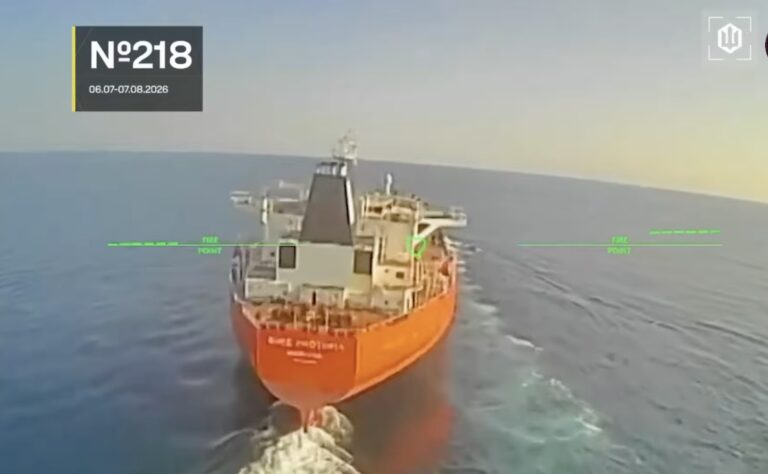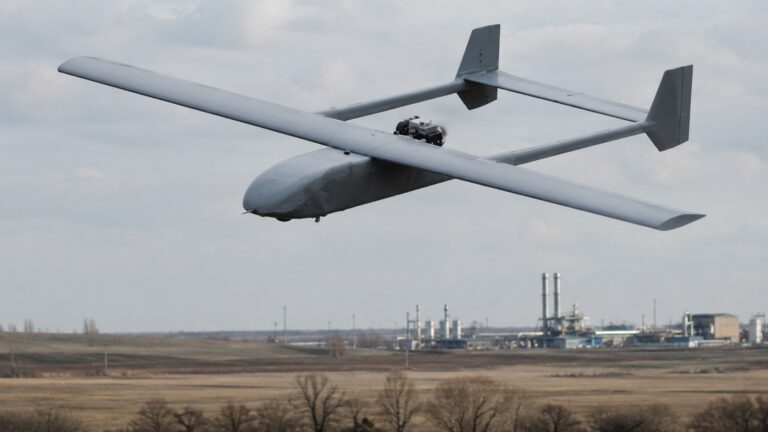
Overnight on 24 June, Ukrainian drone strikes knocked out power in Sevastopol, the largest city in Russian-occupied Crimea, after attacks on energy infrastructure. The Kremlin-appointed governor, Mikhail Razvozhayev, said the city had temporarily lost electricity and urged residents to conserve phone batteries while emergency services assessed the damage. The outage followed a series of attacks on energy and fuel infrastructure across Crimea and southern Russia, as Ukraine intensifies its long-range campaign against Russian supply networks.
The attack on Sevastopol was not an isolated incident. Ukraine has said its forces struck a railway bridge, a power plant and other infrastructure targets in Crimea as part of an effort to isolate the occupied peninsula and disrupt Russian supply routes to the front. The stated objective is to turn Crimea into an “island” for Russian forces, limiting its ability to support operations in southern Ukraine.
Crimea remains one of the most important rear bases for Russia’s war. Since the full-scale invasion began, the peninsula has served as a logistics hub for operations in occupied parts of Kherson and Zaporizhzhia regions. Its ports, airfields, fuel depots, bridges, railway lines and power infrastructure are part of the system that connects Russian territory to the southern front. By striking these networks repeatedly, Ukraine is trying to make Crimea less reliable as a military platform.
The pressure is especially visible around Kerch. The city is close to the Kerch Strait and the bridge linking occupied Crimea to Russia. Recent Ukrainian operations have targeted fuel infrastructure on both sides of the strait, while Russia-installed authorities have introduced fuel restrictions and other emergency measures. The strain on supply is now visible beyond military logistics: Russia has discussed diesel export restrictions and possible fuel imports as shortages affect Crimea and other regions.
The energy dimension is equally important. Substations, thermal power plants and fuel storage sites do not only serve civilian needs. They also sustain military bases, air-defence positions, port facilities, repair units and transport infrastructure. A blackout in Sevastopol therefore has military as well as civilian consequences. It interrupts daily life, but it also complicates the operation of a city that hosts major Russian naval and military assets.
Ukraine’s approach appears to rely on cumulative pressure. A single strike can be repaired. Repeated strikes on electricity, fuel, railway and bridge infrastructure create a different problem. Repair teams are stretched, replacement equipment becomes harder to move, Russian commanders must divert air-defence systems to rear areas, and logistics become slower and less predictable. This is the operational logic behind Ukraine’s campaign to weaken Crimea’s role in supporting Russian forces in southern Ukraine.
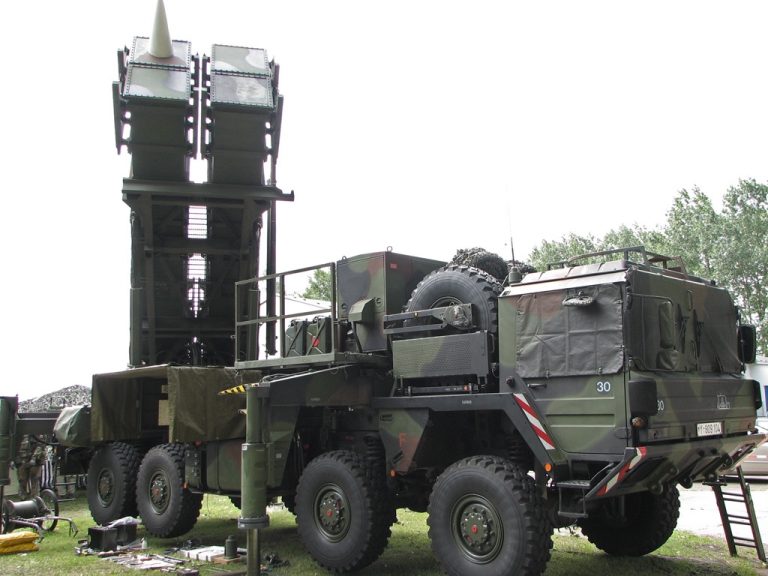
Moscow’s response has revealed the difficulty of defending such a wide target set. Crimea was long treated by Russia as one of its most heavily protected territories, particularly around the Kerch bridge, Sevastopol and major military installations. Yet Ukraine’s repeated use of drones and long-range systems suggests that Russian air defences are under pressure. Protecting every refinery, substation, bridge, depot, airfield and convoy is difficult even for a state with large air-defence stocks. It becomes harder when Ukraine can attack several types of target over successive nights.
President Vladimir Putin has accused Ukraine of targeting civilian infrastructure and seeking to destabilise Russian society. Kyiv presents the campaign differently. President Volodymyr Zelenskyy has described strikes on Russian energy infrastructure as “long-range sanctions”, aimed at the economic and military base of Russia’s war. The political argument is sharpened by Russia’s own record: since 2022, Moscow has repeatedly attacked Ukraine’s power grid, causing blackouts across Ukrainian cities.
The legal and political sensitivity remains. Energy and transport systems in occupied territory can be dual-use, serving both civilian populations and military forces. Strikes on such infrastructure inevitably affect residents, especially when electricity, heating and fuel supplies are disrupted. For Ukraine, the challenge is to maintain a clear military rationale for the campaign while avoiding the impression that civilian hardship is an end in itself.
For Russia, the challenge is more immediate. Public appeals for calm, power restrictions, fuel limits and disruption to public services undermine Moscow’s claim that Crimea is securely integrated and protected. The peninsula is not only a symbol of Putin’s rule; it is a practical military asset. If Ukraine can keep degrading its energy, fuel and transport systems, Crimea may become less of a fortress and more of a liability.
The 24 June blackout in Sevastopol therefore matters beyond the immediate loss of electricity. It points to a broader Ukrainian strategy: to reduce Crimea’s usefulness as a Russian base, restrict supply routes to the southern front, and force Moscow to spend more resources defending infrastructure it once assumed was secure. The damage from individual strikes may be repaired. The larger question is whether Russia can restore the sense of protection on which its military use of Crimea depends.