NATO’s deputy military commander has called for the alliance’s July summit in Ankara to demonstrate unity, higher defence spending and continued support for Ukraine, but his message also points to a harder question facing European governments: how much of NATO’s deterrence posture can still be assumed to depend on the United States.
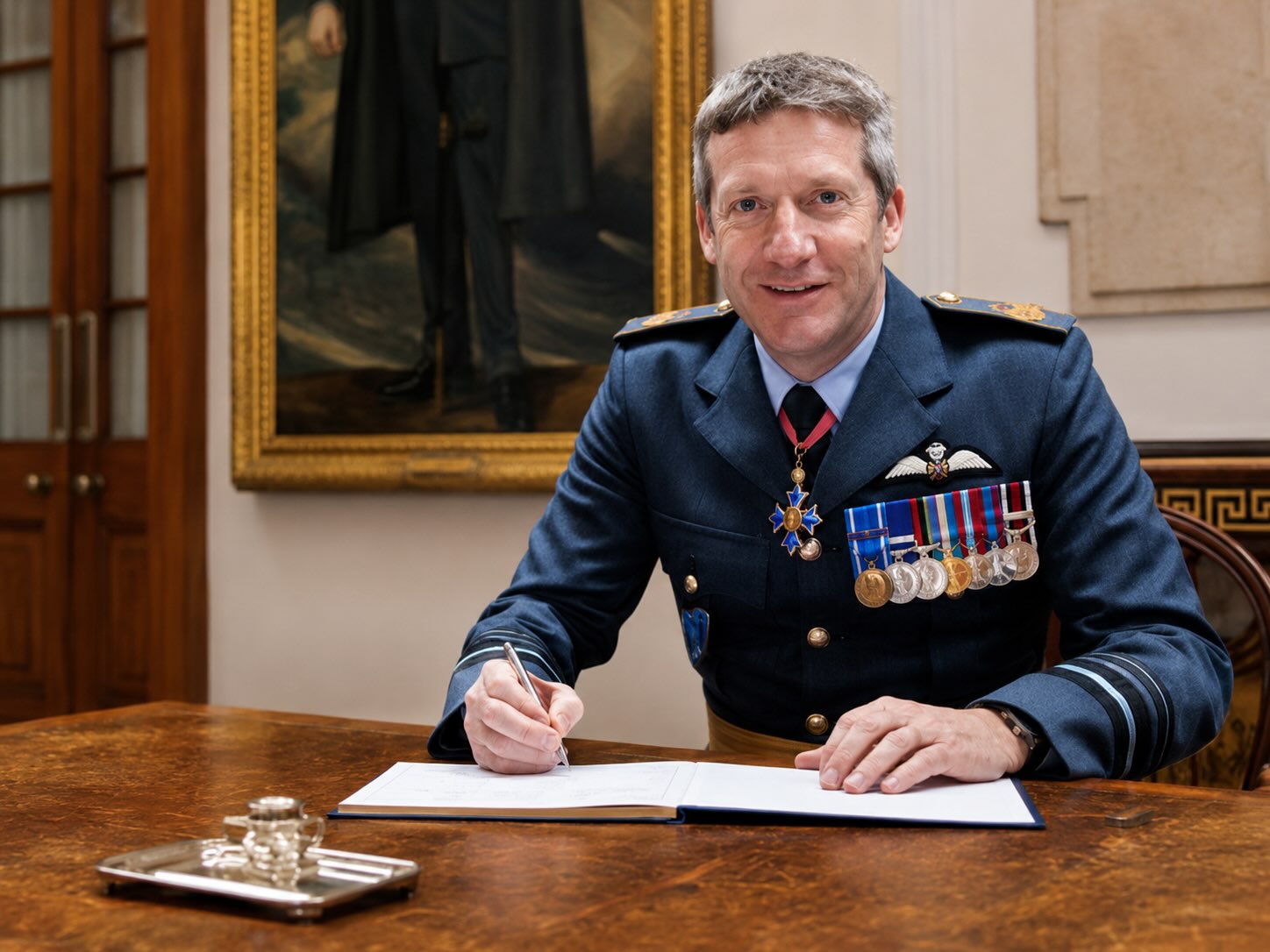
Air Chief Marshal Sir John Stringer, NATO’s Deputy Supreme Allied Commander Europe, said in an interview published on 26 June that the summit should encourage allies to spend more on defence, reaffirm support for Ukraine and show alliance cohesion. The summit will take place in Ankara on 7 and 8 July, at a time when NATO is seeking to convert new spending commitments into deployable forces, munitions, air defence, logistics and industrial capacity.
The public message is unity. The practical issue is reliability.
European allies are increasing defence expenditure after years of pressure from Washington and after Russia’s full-scale invasion of Ukraine changed the threat assessment on NATO’s eastern flank. But the debate has now moved beyond whether Europe should spend more. The question is whether Europe can produce, field and sustain the capabilities required if US priorities shift or if American force posture in Europe is reduced.
The Ankara summit is expected to focus on higher defence investment, Ukraine support and implementation of NATO’s new force plans. NATO Secretary General Mark Rutte said after meeting President Donald Trump in Washington on 25 June that Europe was “stepping up” and that the summit would show increased allied commitment. He has also said that allies are expected to announce billions in new defence-related contracts at the summit.
Those contracts will matter more than the political language around them. NATO has spent years agreeing capability targets, but Europe’s problem has often been delivery. Many armed forces lack sufficient ammunition stocks, long-range fires, integrated air and missile defence, military mobility, heavy logistics, secure communications and trained reserves for a prolonged high-intensity conflict. Russia’s war against Ukraine has made those shortages more visible.
Stringer’s remarks come against a background of uncertainty over Washington’s long-term military posture in Europe. The Pentagon has ordered a review of US deployments, while European governments have been told repeatedly that they must carry more of the burden. Even if US forces remain central to NATO, the review process itself changes planning assumptions. European commanders cannot build credible deterrence on the basis that American assets will always be available in the same numbers, in the same places, under the same political conditions.
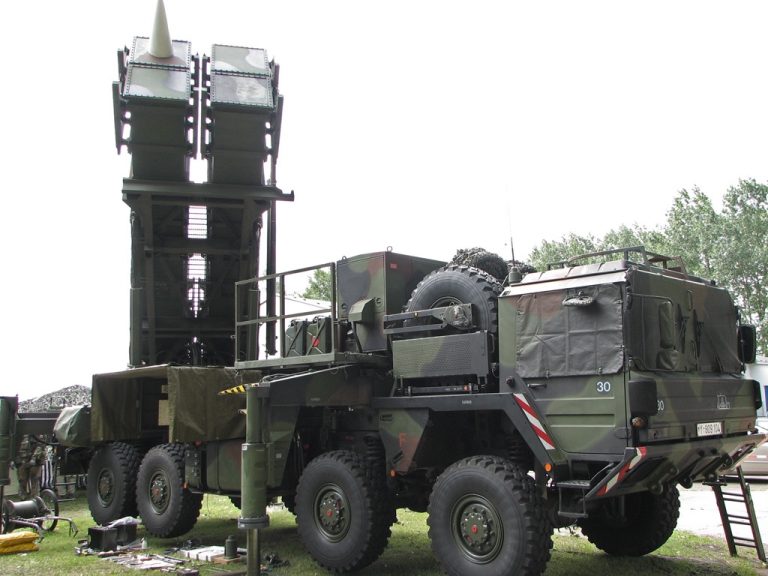
This is the strategic problem behind NATO’s unity language. European allies can raise spending targets, but deterrence depends on specific capabilities. US power in Europe is not only a matter of troops. It includes intelligence, surveillance, reconnaissance, airlift, aerial refuelling, long-range precision strike, missile defence, command systems, nuclear guarantees and industrial capacity. Replacing or supplementing those assets would take years, not months.
Ukraine is central to the Ankara agenda because the war has become both a defence commitment and a measure of NATO credibility. European leaders have pledged continued military assistance, and a joint statement by Britain, France, Germany, Italy and Poland on 24 June supported intensified cooperation with Ukraine through NATO initiatives, including JATEC and NSATU. Those structures are intended to improve training, coordination and long-term support.
But Ukraine support also competes with the need to replenish European stocks. Air-defence missiles, artillery shells, drones, armoured vehicles and spare parts are required both for Kyiv and for NATO’s own readiness. The summit will therefore test whether allies can present Ukraine assistance and alliance rearmament as complementary rather than competing priorities.
The defence-industrial question is equally important. Rutte’s promise of new contracts suggests NATO wants to show that spending pledges are beginning to reach factories. Yet industry can only expand production if governments provide predictable orders, multi-year financing and clearer standards. Short-term emergency purchases helped Ukraine survive the early phase of the war, but they did not resolve Europe’s underlying production deficit.
For European members, the political calculation is difficult. Higher defence spending will compete with social budgets, debt rules and domestic politics. Several governments support NATO’s higher ambition in principle while facing pressure at home over cost. Others want stronger European defence but remain dependent on US enablers. Spain has already shown resistance to the highest spending expectations, underlining that consensus on ambition does not automatically translate into equal national commitments.
The Ankara summit is therefore likely to be judged less by the wording of its communiqué than by the detail behind its announcements. The key questions will be whether allies name specific procurement lines, identify delivery schedules, fund ammunition and missile production, and commit to capabilities that reduce dependency on overstretched US systems.
Stringer’s call for unity is not a routine pre-summit message. It reflects the fact that NATO is entering a more demanding phase. The alliance has already agreed that Russia is the central threat. It has already endorsed stronger force plans. It has already accepted that Europe must spend more. What remains is implementation.
If Ankara produces only political reassurance, it will not answer the force-posture question. If it produces funded contracts, credible delivery timelines and clearer European responsibility inside NATO, it may mark a more serious shift from declarations to deterrence.