Poland is preparing to host exercises involving British and French forces as European states test what a future security mission linked to Ukraine might require if a ceasefire or peace agreement eventually becomes possible.
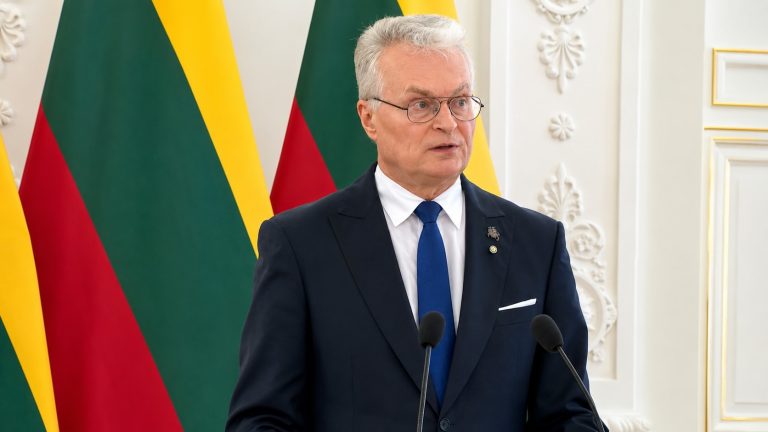
Polish Prime Minister Donald Tusk said after talks in Paris that Poland would host exercises connected to possible future responsibilities, while also warning that peace in Ukraine was unlikely soon. The remarks, reported after the coalition discussions, show the tension now shaping European planning: governments are sceptical about negotiations, but are preparing military options in case a settlement creates new obligations.
The exercises matter because security guarantees are often discussed in abstract political language. Once forces train on Polish territory, the discussion becomes practical. Who commands the mission? Where are troops staged? How are they supplied? What air defence protects them? What rules of engagement apply if Russian forces test the arrangement? Those questions cannot be answered at a press conference.
They also test interoperability. British, French and Polish forces use NATO standards, but a future Ukraine-related mission would involve different national caveats, communications systems, logistics chains and political approval processes. Training can reveal friction that diplomatic communiques usually hide.
Poland is a logical location for such rehearsals. It is NATO’s major logistics hub for support to Ukraine, sits on the alliance’s eastern flank and has experience managing the movement of allied equipment, ammunition and personnel. It also has a direct interest in preventing any future settlement from leaving Ukraine exposed or turning Poland into the next pressure point.
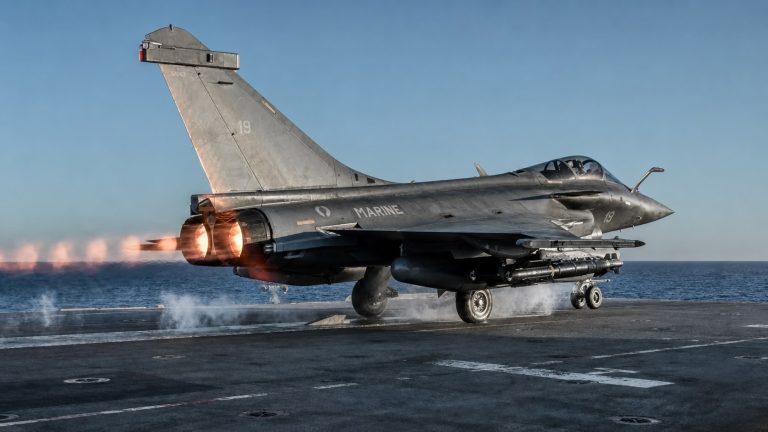
For Britain and France, participation would signal that the coalition of the willing is moving beyond statements. Both countries have discussed roles in future reassurance or support arrangements, although neither has presented a final mission design. Training in Poland can help identify what kind of force package might be credible: headquarters staff, trainers, engineers, logistics units, air-defence detachments, surveillance assets or rapid-reaction elements.
Defence Matters has previously examined how Europe’s emerging ballistic-missile defence work is being shaped by Ukraine’s wartime experience. The Polish exercise track addresses a different but related question: how European militaries would operate around Ukraine if the war shifts from active combat to deterrence and monitoring.
The force-protection issue is central. Any mission connected to Ukraine would be vulnerable to drones, missiles, sabotage and cyber disruption. Even if troops were not deployed inside Ukraine, staging and logistics in neighbouring countries would need protection. Exercises can test whether European forces can move, communicate and sustain themselves under pressure.
There is also a political signalling function. Russia is watching whether European governments are willing to prepare for a post-ceasefire role before a ceasefire exists. If preparations look serious, they may strengthen deterrence. If they appear symbolic, Moscow may conclude that European guarantees will not be backed by usable military capacity.
For Kyiv, the exercises would be useful even before any mission is agreed. They show which allies are willing to move from policy language to military planning. They may also help Ukraine understand what support would be available in the first weeks after a ceasefire, when the risk of renewed Russian pressure could be highest.
The risk is that exercises create expectations faster than governments can meet them. A credible Ukraine security mission would require not only troops but also legal mandates, parliamentary approval in some countries, common rules of engagement, long-term funding and agreement on escalation management. Poland can host training, but it cannot solve every political constraint.
Tusk’s pessimism about a near-term peace is therefore not a contradiction. It is the reason planning is happening now. If European states wait until a ceasefire is signed, they will not be ready. If they prepare too visibly without agreement on mission limits, they risk political friction and Russian counter-signalling.
The exercises in Poland should be read as an early operational test. They will not define the final guarantee package, but they can expose the real requirements hidden inside the phrase “security mission”. For Ukraine, that is the difference between diplomatic reassurance and a structure that could actually deter another Russian attack.
Russia’s Poland Test Would Be a Test of NATO’s Political Nerve