Ukraine’s campaign against Russian-occupied Crimea is moving beyond episodic strikes towards a broader effort to disrupt the peninsula’s electricity, rail, road and military-support systems.
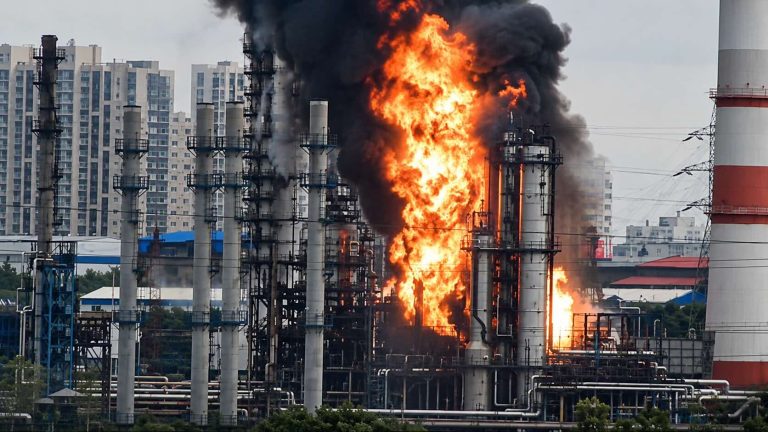
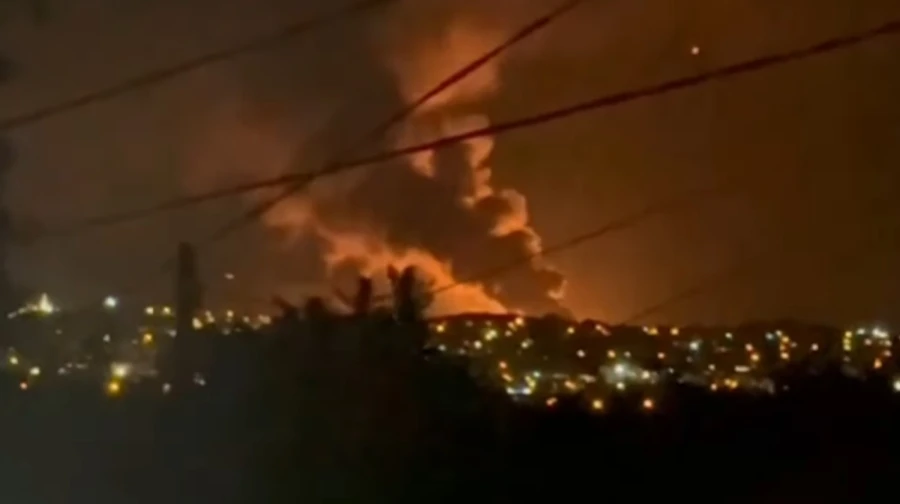
Recent reporting on Ukrainian strikes around Crimea described attacks on railway infrastructure, power facilities, substations and oil storage, with Kyiv openly seeking to make the peninsula more difficult for Russia to use as a logistics and military hub. Earlier coverage also noted security restrictions and infrastructure disruption across Crimea, including measures imposed by Russian-installed authorities.
The military logic is straightforward. Crimea supports Russian operations in southern Ukraine through airfields, ports, depots, rail links, command sites, repair facilities and air-defence positions. It also provides Russia with political symbolism and a secure rear-area narrative. Ukraine’s strikes are designed to challenge both functions.
Electricity infrastructure is a key part of the target set. Damage to power stations, substations or grid nodes can affect more than civilian supply. Military communications, railway signalling, radar sites, fuel handling, repair bases and command facilities all depend on reliable electricity. Even temporary disruption can force Russia to use generators, reroute power or slow operations.
Rail and bridge strikes serve a related purpose. Crimea’s geography makes it dependent on a limited number of routes, including connections through the Kerch area and occupied southern Ukraine. If bridges, rail junctions and logistics depots become unreliable, Russia must move supplies through longer or more vulnerable routes.
This does not require a complete severing of every route. A railway that is closed for inspection, a bridge that can carry only lighter traffic, or a substation that must be repaired under air-defence cover can all slow Russian planning. In logistics, uncertainty often matters almost as much as destruction.
Defence Matters has covered how Ukraine’s deep-strike campaign increasingly aims at systems rather than isolated targets. Crimea is a natural focus for that approach because the peninsula contains a dense concentration of military and infrastructure nodes. The goal may not be to cut every route permanently. It may be to create enough uncertainty that Russia has to spend more on repair, protection and redundancy.
Air defence is part of the same cycle. Strikes against Crimea can force Russia to keep valuable systems on the peninsula. But if Ukraine also threatens Moscow, refineries and Arctic or strategic sites, those systems must compete with other priorities. Crimea therefore becomes both a target and a drain on Russia’s defensive network.
The campaign also supports Ukraine’s wider Black Sea strategy. Attacks on ports, ships, coastal radars and logistics can reduce Russia’s ability to project naval power and support ground operations. If Crimea becomes less reliable as a rear base, Russian forces in southern Ukraine may face longer supply chains and slower repair cycles.
The risk for Ukraine is escalation and resource consumption. Deep strikes require drones, missiles, intelligence, planning and repeated adaptation. Russia can repair some damage, harden sites and use electronic warfare. A successful campaign must therefore be sustained, not only spectacular.
There is also a targeting discipline problem. Crimea contains civilian infrastructure that Russia also uses for military sustainment. Ukraine has to identify nodes whose military value justifies attack and avoid presenting Russia with easy propaganda opportunities. That makes intelligence, timing and target selection central to the campaign.
The new phase is best understood as operational isolation rather than physical blockade. Ukraine may not be able to cut Crimea off completely, but it can make the peninsula more expensive, vulnerable and uncertain for Russia to use. That is a meaningful military objective in a war where logistics often decide what front-line forces can sustain.