Ukraine’s debate over how to organise weapons production has become more urgent after the removal of Mykhailo Fedorov as defence minister and the expansion of European industrial cooperation. Reports and political discussion have raised the possibility that Fedorov or another senior figure could be given responsibility for coordinating weapons development, production and negotiations with foreign partners. The appointment question remains unsettled. The structural question is already clear: Ukraine needs a stronger mechanism for turning battlefield requirements into funded production.
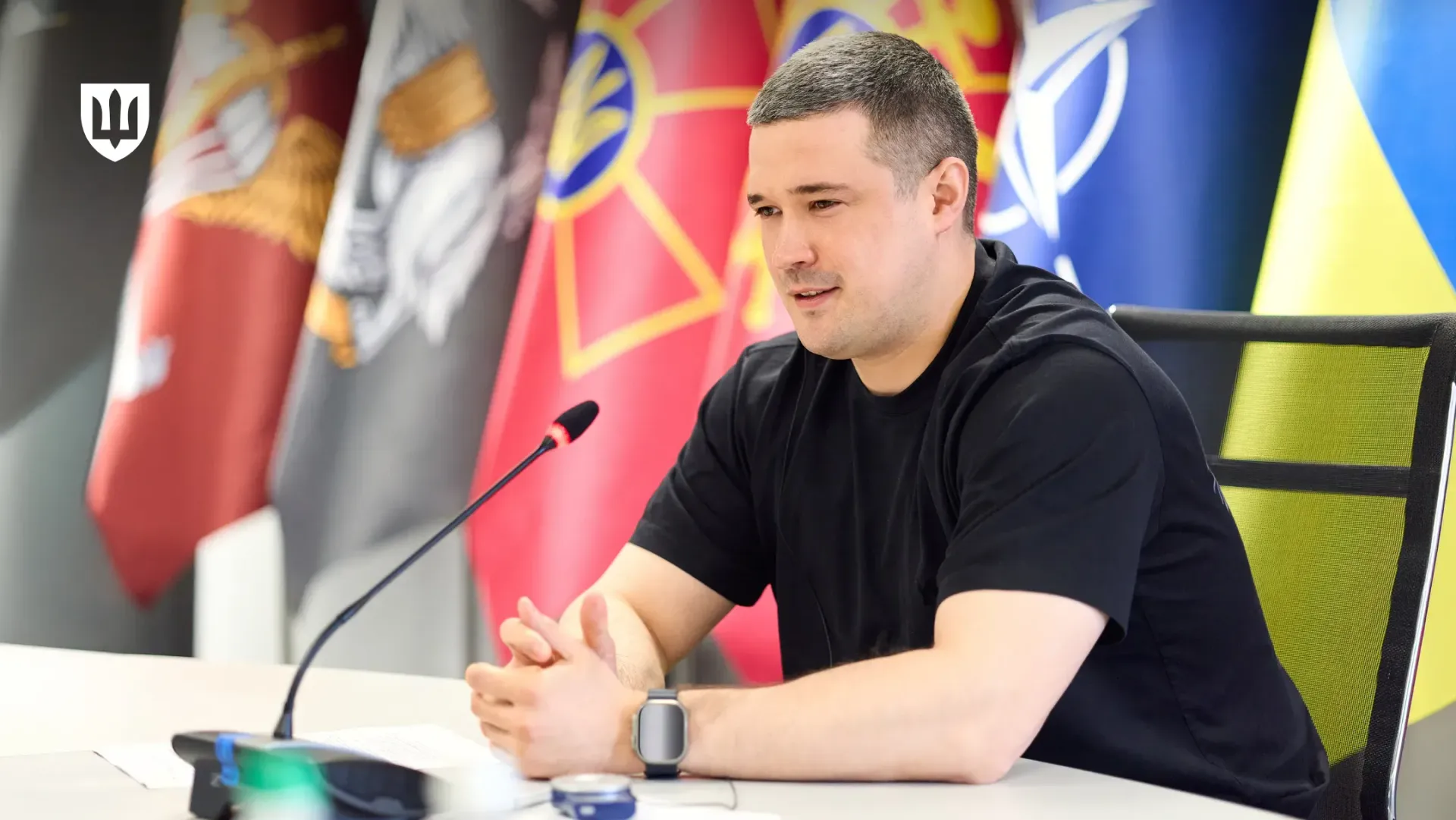
Fedorov’s own recent public priorities show why such a role would matter. In a June address reported by Ukraine’s Ministry of Defence, he identified air defence, drone and missile production, and extended-range artillery ammunition as key requirements. He argued that Ukraine had the potential to scale drone manufacturing further if sufficient funding were available.
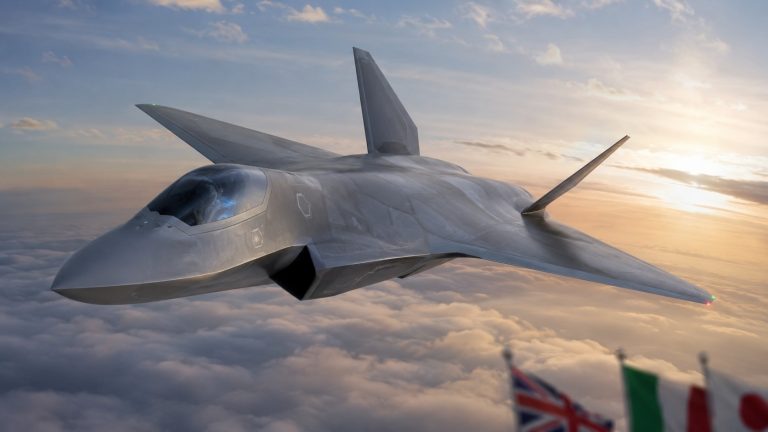
The industrial framework is also changing. Associated Press reported on the EU-Ukraine Defence Industrial Partnership launched in Kyiv, including plans for joint drone and anti-drone production by the end of 2026 and anti-ballistic missile production by 2028. Janes has also reported that Ukraine approved a mechanism allowing partner countries to procure Ukrainian weapons and defence technologies directly from manufacturers under defined rules.
These developments create opportunity and confusion. Ukraine now has domestic drone firms, missile projects, EU-backed industrial cooperation, export mechanisms, battlefield feedback loops and urgent procurement needs. Without a clear centre of authority, the system risks duplication, political bottlenecks and slow contracting.
A central weapons-production role could solve some of that if it has real power. The holder would need control over budget priorities, authority to accelerate procurement, access to classified battlefield requirements, influence over export approvals and the ability to negotiate with foreign defence companies. A title without money or decision rights would add another office to an already crowded system.
The procurement challenge is different from peacetime defence planning. Ukraine cannot spend years specifying perfect platforms. It needs iterative production: field a system, collect unit feedback, modify the design, scale the improved version and retire what fails. That is how drone warfare has evolved. It is harder for missiles, air-defence systems and ammunition, where safety, guidance, explosive materials and quality control impose stricter requirements.
Earlier analysis of Europe’s dependence on Chinese drone components showed that industrial policy is not only about assembly. Motors, batteries, chips, radio modules and optical components determine whether production can scale. A central coordinator would therefore need supply-chain authority as much as product authority.
Foreign partnerships add another layer. European companies want access to Ukrainian battlefield experience. Ukraine wants financing, components, certification support and production capacity. Joint ventures can work if intellectual property, export control, liability and battlefield feedback are managed clearly. They can stall if ministries, agencies and companies cannot agree who has the final word.
Air defence is the hardest test. Producing drones is difficult but relatively fast. Producing interceptors or anti-ballistic systems is slower, more expensive and more dependent on advanced components. If Ukraine is serious about moving from emergency imports to domestic or joint production, it needs a governance model that can survive beyond one ministerial appointment.
There is also a corruption and transparency dimension. Wartime urgency can justify accelerated procedures, but it can also create risk. A centralised system must publish enough rules to reassure partners and industry while protecting sensitive information. If procurement reform is seen as politically captured, Western financing and domestic trust will suffer.
The best model may be a powerful but audited industrial coordinator: able to move money and contracts quickly, required to report outcomes, and tied closely to the General Staff’s operational needs. That would bridge the gap between battlefield demand and factory output.
The personnel question should therefore be secondary to the mandate. Fedorov’s name matters because he is associated with digital systems, drones and procurement reform, but any official placed over production would face the same test. If commanders can request weapons but money sits elsewhere, factories cannot plan. If factories can build but export rules are unclear, partners cannot buy. If partners can finance but requirements change slowly, production misses the battlefield.
Ukraine’s defence industry is no longer a supporting story. It is one of the main fronts of the war. Whether Fedorov returns in a new capacity or another figure takes the role, the question is the same: can Ukraine build a command structure for production that is as adaptive as its drone units in the field?