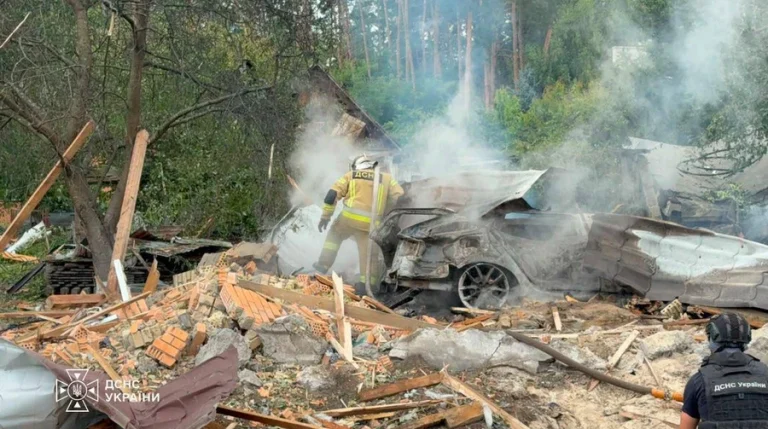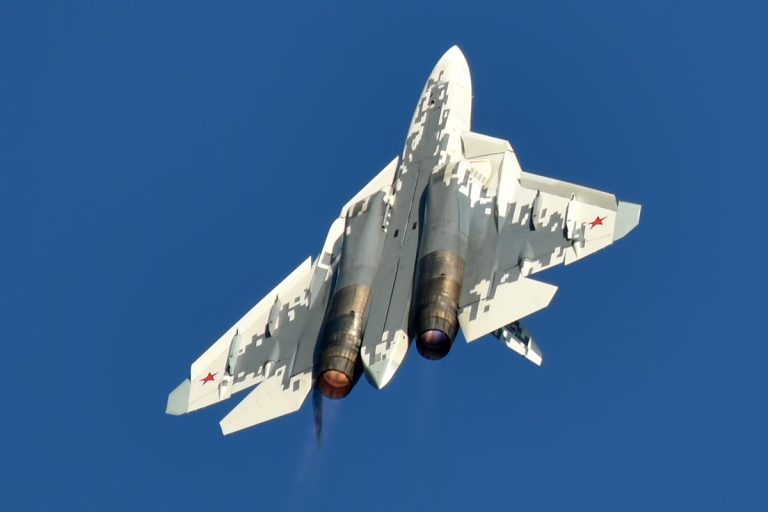
Ukraine has confirmed a long-range strike on a military-industrial enterprise in the Russian city of Kirov that supplies components for aircraft and missile systems used in attacks on Ukrainian cities.
In an official video statement, President Volodymyr Zelenskyy said the enterprise provided components for Russian aviation and missile equipment, including weapons used during mass strikes against Ukrainian towns and communities.
“Our Defence Forces today struck one of the important military enterprises in Russia’s Kirov,” Zelenskyy said. “It supplies components for the occupier’s aviation and missile equipment.”
Zelenskyy did not identify the enterprise by name. However, Ukrainian sources and open-source analysts identified the apparent target as the Vyatka Machine-Building Enterprise Avitek, a sanctioned defence plant situated on Oktyabrsky Prospekt in Kirov.
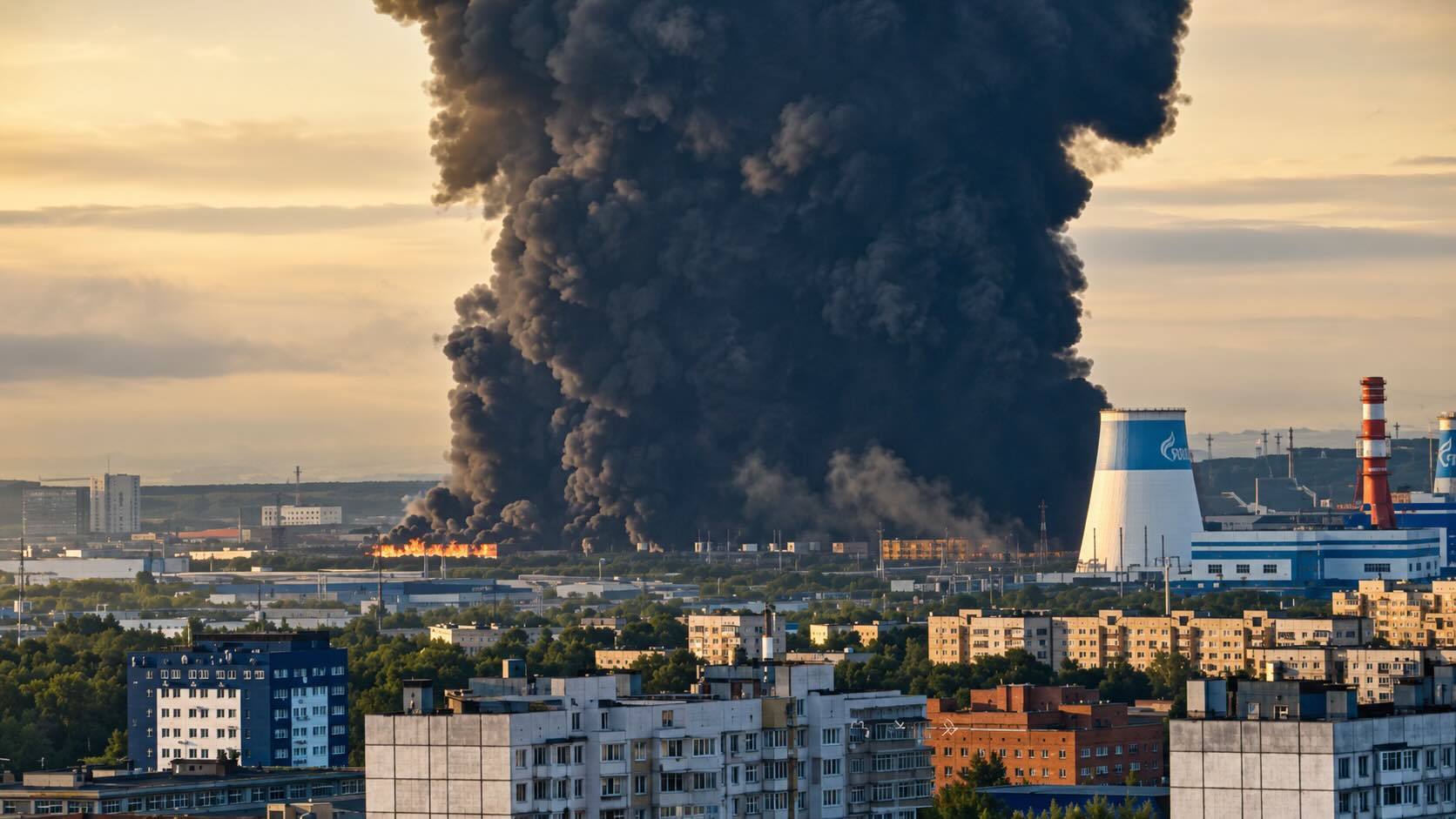
The Russian authorities confirmed that an industrial site in the city had been attacked. In a statement published on the Kirov regional government’s official website, Governor Alexander Sokolov said a missile had struck an enterprise on the morning of 24 July.
Sokolov said there were casualties and that emergency services were working at the scene. He did not disclose the name of the enterprise, the number of people affected or the extent of the damage. The regional authorities also prohibited the publication of images and information that could identify the site or reveal the character of the damage.
Avitek occupies a defined position within Russia’s military production system. Ukraine’s military intelligence lists the company as a producer of surface-to-air guided missiles, target missiles and aviation equipment. It is also involved in production associated with the Tor air-defence system.
According to the same Ukrainian intelligence database, Avitek supplies components connected to the production of Kh-101 and Kh-59M2 cruise missiles. These include launch assemblies and solid-fuel gas generators used in missile engines.
That makes the facility relevant to more than one weapons programme. The Kh-101 is among the long-range cruise missiles regularly used by Russia during attacks against Ukrainian energy infrastructure, industrial sites and cities. The Kh-59 family is launched from tactical aircraft and has also been used extensively during the war.
The plant is included in the European Union’s sanctions legislation, which describes Avitek as part of the Almaz-Antey concern and as an enterprise involved in developing and producing surface-to-air missiles used by the Russian armed forces.
It was also designated by the United States Treasury in June 2022 under sanctions targeting Russia’s defence-industrial sector. Its presence on several sanctions lists reflects its direct connection to Russian military procurement rather than its civilian production.
The weapon used in the Kirov strike has not been formally identified by the Ukrainian military. Denys Shtilerman, chief designer and co-owner of the Ukrainian defence company Fire Point, published footage of a missile launch on the morning of the attack.
The post contained no written identification of the missile or its target. Ukrainian accounts subsequently associated the footage with the FP-5 Flamingo cruise missile and the strike on Avitek. Until the Ukrainian authorities or Fire Point provide a detailed statement, the attribution should be treated as probable rather than conclusively established.
Zelenskyy also said Ukrainian forces had struck an oil facility at a distance of almost 1,350 kilometres from the Ukrainian border. He did not disclose its location or provide an assessment of the damage.
The two attacks appear to represent different parts of the same operational approach. Strikes on defence factories seek to interrupt the production of missiles, aircraft components and air-defence equipment. Attacks on oil facilities place pressure on the fuel infrastructure and revenues that support the Russian war economy.
Zelenskyy said Ukrainian operations were also continuing against logistics networks supplying Russian forces with drone components, navigation systems and military equipment. He thanked units of the armed forces, Ukrainian intelligence and the Security Service of Ukraine for their involvement.
The immediate effect of the Kirov strike remains unclear. Video showing smoke or fire cannot establish whether specialist machinery, production lines or stored components were destroyed. Russian defence enterprises have also demonstrated an ability to repair damaged buildings and transfer production between facilities.
The operational importance may instead lie in the distance and the selection of the target. Kirov is deep inside Russian territory, far beyond the regions where Moscow initially concentrated much of its air-defence coverage against Ukrainian long-range weapons.
Protecting factories, refineries, depots and transport infrastructure across such a wide area requires Russia to disperse radar systems, interceptors, electronic-warfare equipment and personnel. Air-defence units assigned to industrial sites in the Russian interior cannot simultaneously protect frontline areas, occupied territories or more prominent political and military targets.
Ukraine’s campaign is therefore increasingly directed at the structure supporting Russian military operations, rather than only formations deployed near the battlefield. The Kirov strike indicates that enterprises involved in producing missile and aviation components remain within the expanding range of Ukrainian-made long-range weapons.
Whether the attack causes sustained disruption will depend on the sections of the plant that were hit, the availability of replacement machinery and Ukraine’s ability to repeat such operations. It nonetheless demonstrates that physical distance from the Ukrainian border no longer provides Russia’s defence industry with reliable protection.