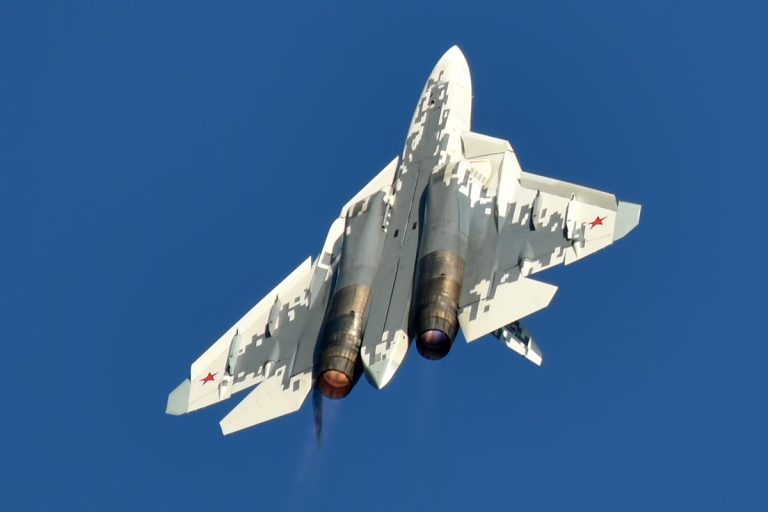
Indra reported that first-half defence revenue rose 103 per cent to 973 million euros, giving investors a clear financial measure of Spain’s accelerated military modernisation. Reuters reported that the Spanish group retained its 2026 targets after defence growth lifted revenue and operating profit, while revenue associated with the Future Combat Air System fell 15 per cent.
The contrast is the story. Defence demand is rising, but not all defence programmes are moving at the same speed. Indra is benefiting from Eurofighter work, armoured vehicles and modernisation projects that can place orders now. FCAS, by contrast, remains politically important but commercially frustrating. The future-fighter project is supposed to define European air power after 2040, yet its workshare disputes and schedule uncertainty are already visible in corporate revenue.
Defence Matters recently examined how the FCAS breakdown exposed the limits of European joint defence projects. Indra’s results add a harder indicator. Programme dysfunction is not only a diplomatic embarrassment; it can change the revenue mix of companies that are supposed to build the system.
Spain’s role is central because Indra has become the national industrial champion for electronics, sensors, systems integration and FCAS participation. Madrid’s decision to raise defence spending gives Indra a domestic demand base, but Spain also wants influence inside European programmes. If FCAS stalls, Spanish industry may grow through nearer-term national and NATO requirements while the flagship collaborative programme contributes less.
That pattern is appearing across Europe. Governments need capabilities quickly: air defence, ammunition, drones, armoured vehicles, electronic warfare and missile stockpiles. Long-term collaborative projects remain attractive because they promise sovereignty and scale, but they cannot answer urgent readiness gaps. Companies therefore receive more immediate benefit from programmes that already have procurement lines, existing platforms and defined production paths.
Eurofighter is the example. It is not the aircraft of the distant future, but it is a functioning production and upgrade ecosystem. Modernisation work can be contracted, delivered and recognised as revenue. The same applies to vehicle programmes and national communications or sensor upgrades. In a rearmament cycle, existing platforms often win because governments can spend on them now.
FCAS faces a different problem. It requires France, Germany and Spain to align on aircraft design, engine work, remote carriers, combat cloud architecture, sensors, intellectual property and industrial leadership. Each state wants strategic autonomy; each company wants meaningful workshare; each air force wants future relevance. That creates a negotiation burden before engineers can move at scale.
The danger is that uncertainty becomes self-reinforcing. If companies see weaker revenue and unclear milestones from FCAS, they may prioritise other programmes. If governments see slow industrial progress, they may hedge with alternative aircraft, drones or upgrades. If partners hedge, the joint project becomes even harder to sustain. A flagship programme can drift while money flows elsewhere.
Indra’s strong defence cash flow gives Spain options. It can invest in capabilities adjacent to FCAS, such as sensors, electronic warfare, command systems and unmanned teaming, even if the main aircraft programme slows. That may preserve industrial relevance. But it also means the European future-fighter landscape could fragment into national or sub-regional alternatives.
The results also show the importance of state ownership and policy direction. Indra is partly state-owned, and its defence growth aligns with Madrid’s strategic priorities. In sectors where security, technology and industrial sovereignty overlap, governments increasingly shape corporate opportunity. Investors are not only reading company execution; they are reading national defence policy.
For Europe, the lesson is uncomfortable. Rearmament can boost companies while still failing to produce coherent long-term capability. If spending flows mainly into urgent national programmes, Europe may strengthen near-term readiness but weaken collaborative strategic projects. If too much money remains trapped in uncertain joint projects, governments may miss the delivery window demanded by current threats.
Indra’s numbers therefore capture a transition. The company is becoming more defence-centred and better funded, but the balance of growth shows where Europe’s defence market is actually moving. Orders are flowing to programmes that can deliver. FCAS must prove that it belongs in that category, not only in speeches about future sovereignty.